Emergency Roof Repair After a Storm in Atlanta: Step-by-Step Guide for 2026
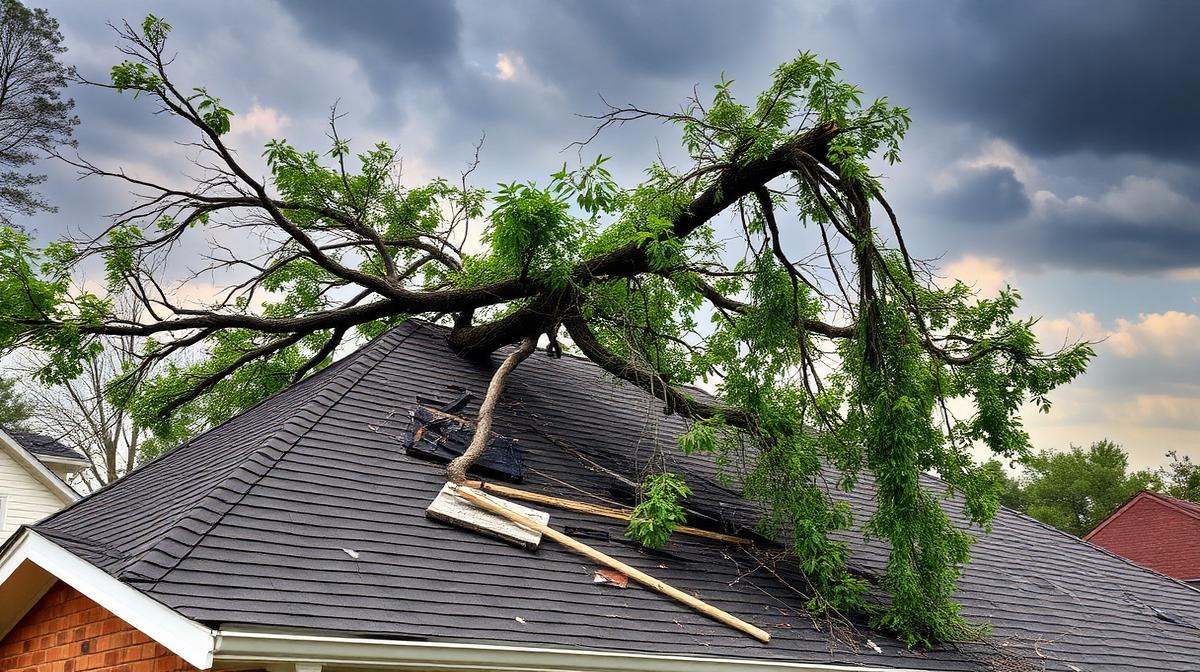
Atlanta's severe weather season brings powerful thunderstorms, high winds, hail, and occasionally tornado activity that can devastate residential roofs. When storm damage strikes, knowing exactly what to do—and in what order—can mean the difference between a manageable repair and catastrophic water damage to your home's interior. This 2026 guide provides a detailed action plan for Atlanta homeowners dealing with emergency roof situations.
Atlanta's Storm Risk Profile
The greater Atlanta metropolitan area faces multiple severe weather threats: - Severe Thunderstorms: 50-70 events per year with damaging winds - Hail: 10-20 significant hail events annually - Tornadoes: Atlanta averages 1-3 tornadoes within 25 miles annually - Tropical Systems: Remnants of Gulf and Atlantic hurricanes bring heavy rain and wind - Straight-Line Winds: Derecho events can produce 60-80 mph sustained winds
Step 1: Ensure Personal Safety (First 30 Minutes)
Immediately after the storm passes:
- Stay inside until all severe weather warnings have expired
- Check for injuries to all household members
- Watch for downed power lines near your home before going outside
- Smell for gas leaks – If detected, evacuate immediately and call 911
- Turn off electricity to affected areas if water is entering your home near electrical outlets or fixtures
- Never walk on a damaged roof – Wait for professionals
Critical Safety Rules - Never attempt to access your roof during or immediately after a storm - Keep children and pets away from damaged areas - Wear closed-toe shoes if walking near debris - Use caution around broken glass, exposed nails, and sharp materials
Step 2: Document All Damage (Hours 1-4)
Thorough documentation is essential for insurance claims:
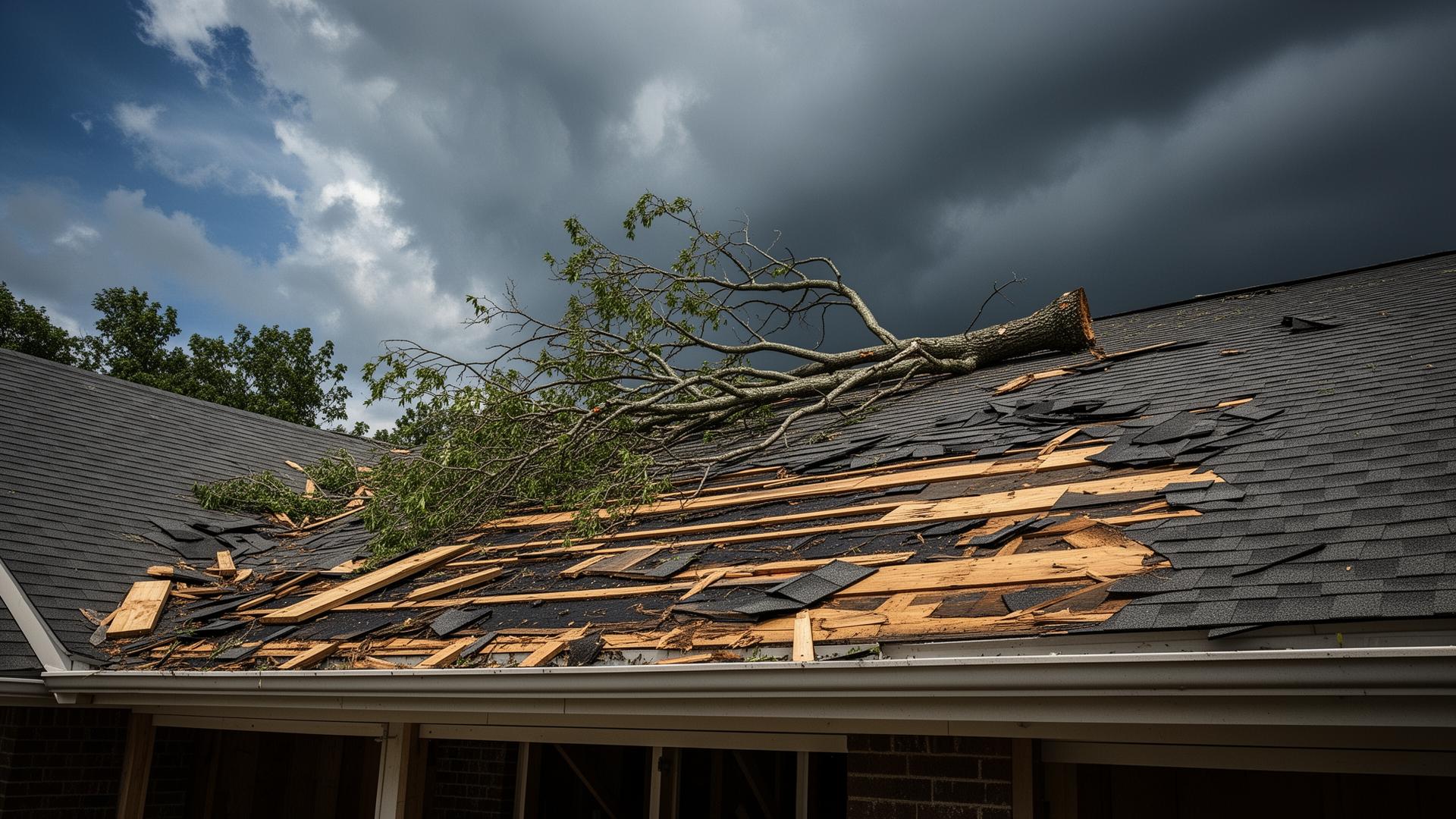
Exterior Documentation - Photograph from all four sides of your home, capturing the full roof - Close-up shots of all visible damage including missing shingles, dents, and debris - Ground-level debris including any roofing materials that have fallen - Surrounding property damage – Trees, fences, gutters, siding - Timestamp photos – Most smartphones do this automatically
Interior Documentation - Water stains on ceilings and walls - Active leaks – Show water entry points with photos and video - Damaged personal property – Document everything affected by water intrusion - Attic photos – If safely accessible, photograph any daylight visible through the roof
Additional Documentation - Written notes describing the storm event, time, and sequence of damage discovery - Weather reports from local Atlanta news stations or the National Weather Service - Neighbor testimony – Note if neighbors experienced similar damage - Video walkthrough of all damaged areas with verbal narration
Step 3: Emergency Temporary Repairs (Hours 2-24)
Tarping Your Roof The most critical temporary repair is preventing additional water from entering your home. Professional tarping costs $200-$800 in Atlanta, but if you need a DIY solution while waiting for a contractor:
Materials needed:: - Heavy-duty blue tarp (at least 6 mil thickness) - 2x4 lumber strips - Roofing nails or screws - Rope or bungee cords
Important:: Only attempt ground-level or low-slope tarping. Leave steep roofs to professionals.
Interior Water Management - Place buckets under active leaks - Move furniture and valuables away from wet areas - Remove wet ceiling tiles to prevent collapse - Set up fans to start drying affected areas - Run dehumidifiers to prevent mold growth (critical in Atlanta's humidity)
What Your Insurance Covers for Emergency Repairs Most Atlanta homeowners policies cover "reasonable and necessary" emergency repairs to prevent further damage. Keep all receipts for: - Tarps and temporary materials - Emergency contractor fees - Water extraction equipment - Dehumidifier rental
Step 4: Contact Your Insurance Company (Within 24 Hours)
Filing Your Atlanta Storm Damage Claim
Information you'll need:: - Policy number - Date and time of the storm event - Description of damage - Photos and video documentation - Emergency repair receipts - List of damaged personal property
Georgia Insurance Claim Timeline - Acknowledgment: Insurer must acknowledge your claim within 15 days - Investigation: Insurer has 30 days to investigate after acknowledgment - Decision: Written approval or denial within 30 days of completing investigation - Payment: If approved, payment within 10 business days
Working with Your Insurance Adjuster - Be present for the adjuster's inspection - Provide all documentation you've gathered - Walk the property together and point out every area of damage - Request a detailed written report of their findings - Don't accept the first offer if it doesn't cover necessary repairs
Step 5: Choose an Emergency Roofing Contractor (Days 1-7)
Finding Reliable Emergency Roofers in Atlanta
After major storms, Atlanta is flooded with out-of-state "storm chasers" looking to capitalize on damage. Protect yourself by choosing contractors carefully:
Essential qualifications:: - Georgia contractor license (verify at sos.ga.gov) - Local Atlanta-area business address (not a P.O. Box) - General liability insurance ($1 million minimum) - Workers' compensation coverage - BBB accreditation or strong online reviews - Manufacturer certifications
Red flags to avoid:: - Door-to-door solicitation immediately after the storm - "We'll handle everything with your insurance" promises - Requests for large upfront payments - No physical Atlanta-area office - Unable to provide local references - Pressure to sign a contract immediately
Emergency Roof Repair Costs in Atlanta (2026)
| Service | Cost Range |
|---|---|
| Emergency Tarping | $200 – $800 |
| Shingle Replacement (per area) | $300 – $1,200 |
| Flashing Repair | $200 – $600 |
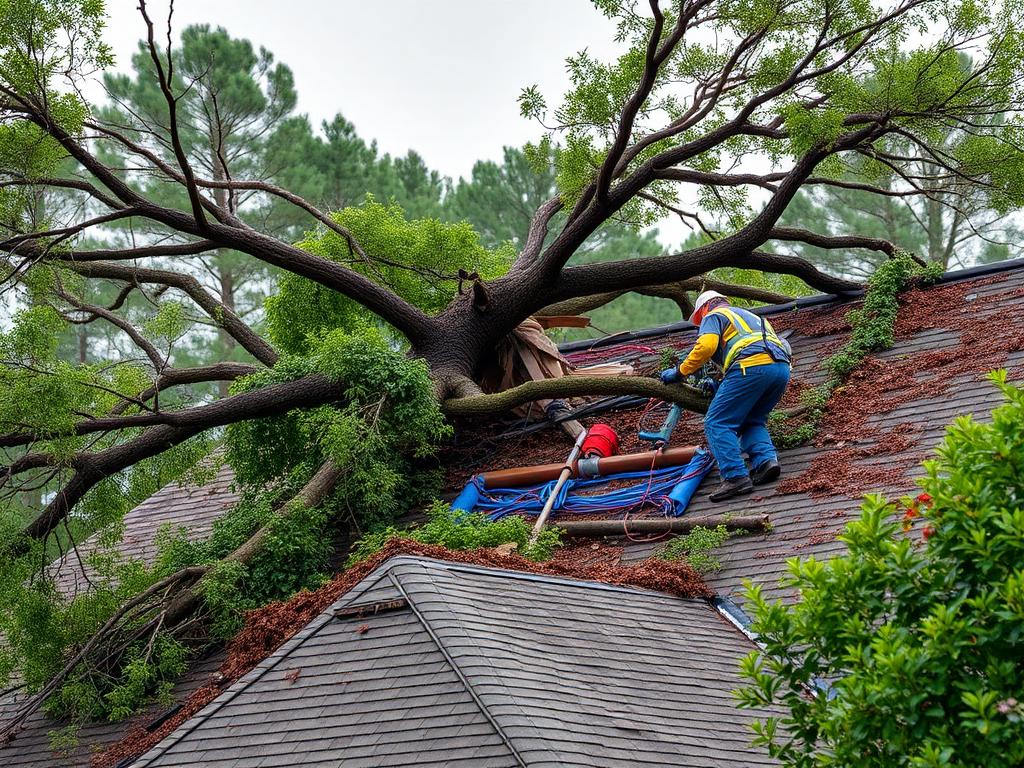
| Tree Removal from Roof | $500 – $3,000 |
| Structural Repair | $1,000 – $5,000+ |
| Full Replacement (storm damage) | $8,000 – $20,000 |
Step 6: Permanent Repairs and Upgrades
Upgrading During Repair Storm damage repairs present an opportunity to upgrade your roof. Consider: - Impact-resistant shingles for future hail protection - Improved ventilation to extend roof life - Better flashing at vulnerable points - Enhanced underlayment for superior water protection - Fortified Roof designation for insurance discounts
Atlanta-Specific Upgrade Recommendations - Class 4 Impact-Resistant Shingles: Reduce insurance premiums 5-15% - Wind-Resistant Installation: 6-nail pattern vs. standard 4-nail - Peel-and-Stick Underlayment: Full-deck application for maximum protection - Improved Ridge Ventilation: Extends shingle life in Atlanta's heat
Preventing Future Storm Damage
Annual Maintenance Checklist for Atlanta Homeowners 1. Spring inspection (March-April) before severe weather season 2. Trim trees that overhang or touch your roof 3. Clear gutters and downspouts before heavy rain season 4. Check flashing around chimneys, vents, and skylights 5. Inspect attic for signs of moisture or daylight penetration 6. Review insurance policy for adequate coverage levels 7. Keep emergency contractor contact information readily available
Long-Term Storm Preparedness - Maintain a relationship with a trusted Atlanta roofing contractor - Keep emergency tarps and basic supplies in your garage - Document your roof's condition annually with dated photos - Review and update your insurance coverage every 2-3 years
Finding Emergency Roof Repair in Atlanta
Don't wait until a storm hits to find a trusted contractor. Connect with top-rated Atlanta roofing companies today and establish a relationship before you need emergency service. Having a pre-existing contractor relationship means faster response times and priority scheduling when severe weather strikes.