Georgia Storm Damage: Roof Repair and Insurance Claims Guide
Georgia experiences significant storm damage from thunderstorms, occasional hurricanes, and tornadoes. Understanding how to assess damage, work with insurance, and find qualified contractors helps Georgia homeowners recover quickly from storm events.
Understanding Georgia Storm Risks
Georgia faces multiple storm-related roofing threats. Severe thunderstorms bring damaging winds, hail, and heavy rain throughout spring and summer. Occasional hurricanes and tropical storms affect coastal and inland areas. Tornadoes, while less common, cause localized severe damage.
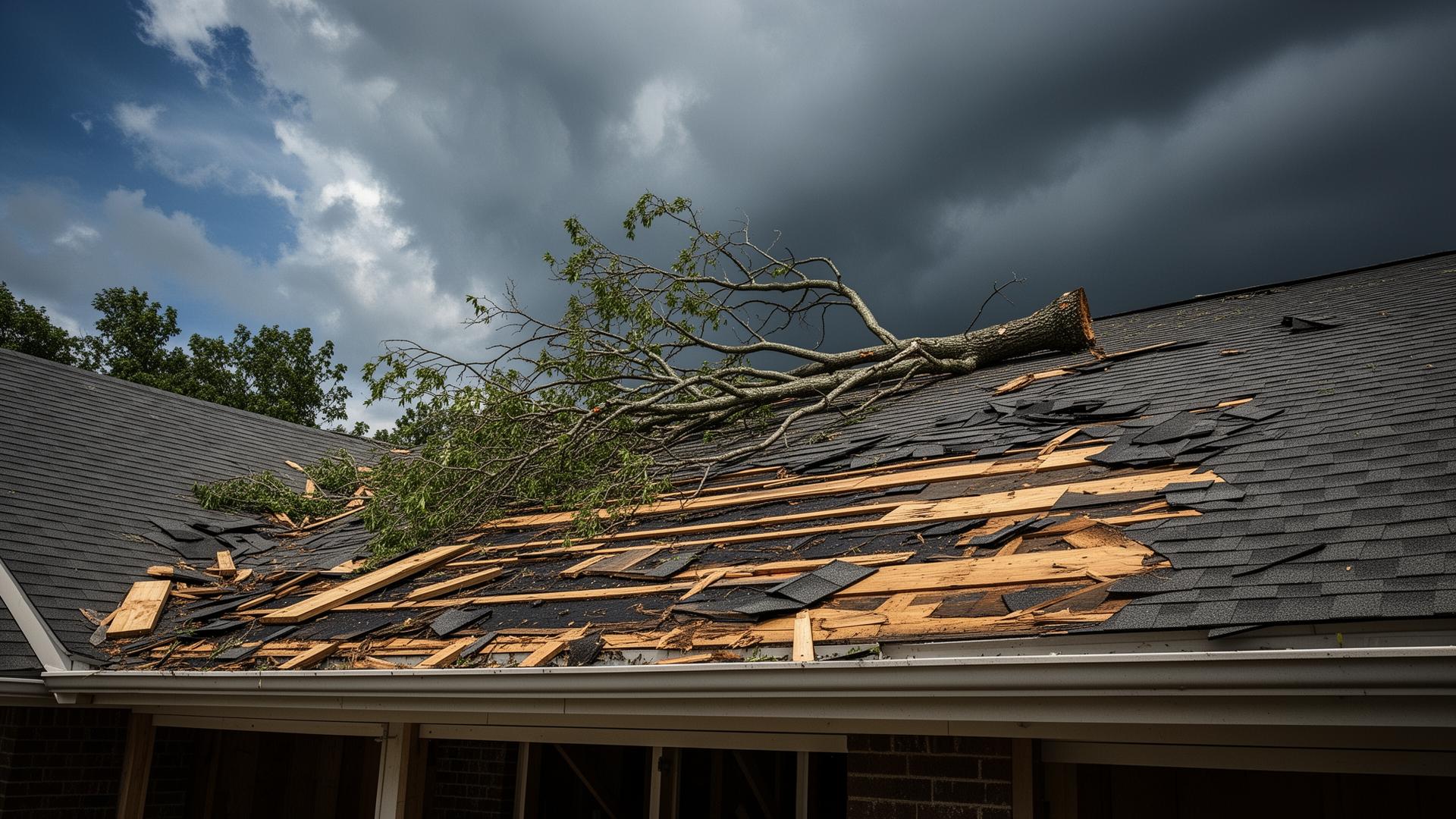
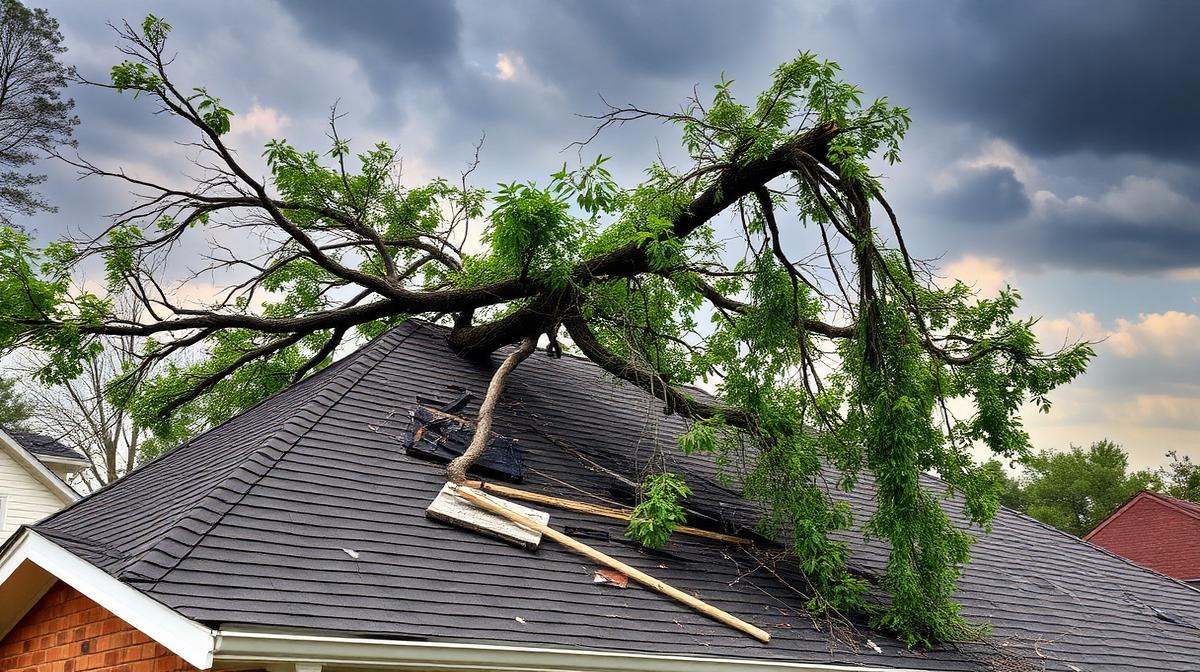
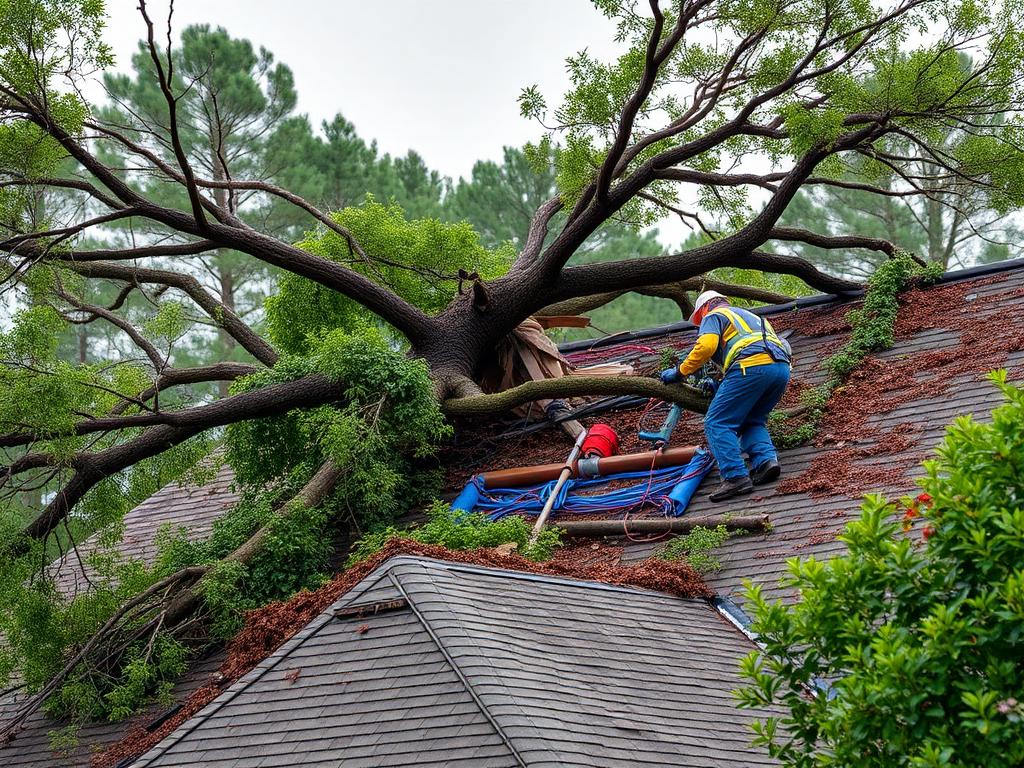
Fallen trees represent a significant threat during Georgia storms. The states heavily wooded landscape means many homes have large trees nearby that can damage roofs during high winds.
Identifying Storm Damage
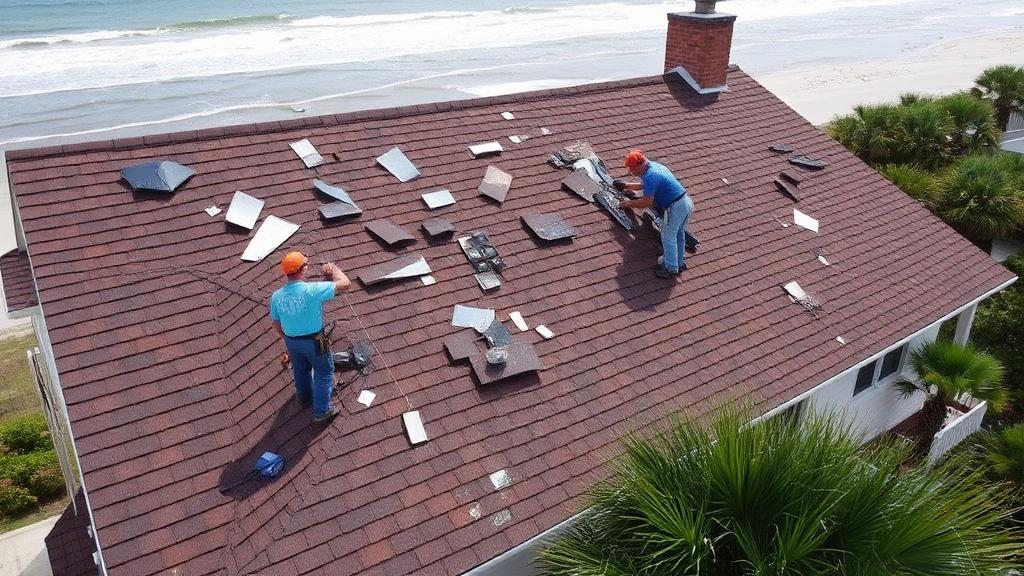
After storms, inspect your roof for damage. Look for missing or displaced shingles, damaged flashing, and debris accumulation. Interior water stains indicate roof penetration requiring immediate attention.
Tree damage ranges from minor branch impacts to catastrophic tree falls. Even small branches can damage shingles and create water entry points. Document all damage thoroughly with photographs.
Hail damage to asphalt shingles appears as circular marks with displaced granules. Larger hail causes obvious dents in metal and cracks in tile. Professional inspection may be needed to identify subtle hail damage.
Emergency Response
For significant damage, emergency tarping prevents further water infiltration until permanent repairs can be completed. Keep emergency tarping supplies accessible during storm season.
Document damage with photographs before making any repairs. This documentation supports insurance claims and helps contractors assess repair scope.
Contact your insurance company promptly after discovering damage. Most policies require timely notification of claims.
Insurance Claims Process
Georgia homeowners insurance typically covers storm damage with standard deductibles. The claims process involves filing notice, adjuster inspection, and repair authorization.
Obtain multiple repair estimates from licensed contractors. Compare estimates with insurance adjuster assessments. Supplemental claims address damage not included in initial estimates.
Work with contractors experienced in insurance restoration who understand documentation requirements and can coordinate effectively with adjusters.
Finding Qualified Contractors
Storm events attract contractors from outside the area. While some are legitimate, storm-chasing contractors may provide substandard work. Prioritize local contractors with established presence.
Verify insurance coverage and check references. Be wary of door-to-door solicitation and contractors offering to pay deductibles, which violates Georgia law.
Conclusion
Georgia storm damage requires prompt assessment and qualified repairs. Understanding the process helps homeowners navigate damage situations effectively.
Need storm damage repairs? Find qualified Georgia roofing contractors experienced with storm restoration.