Georgia Severe Storm Damage: Protecting and Repairing Your Atlanta-Area Roof
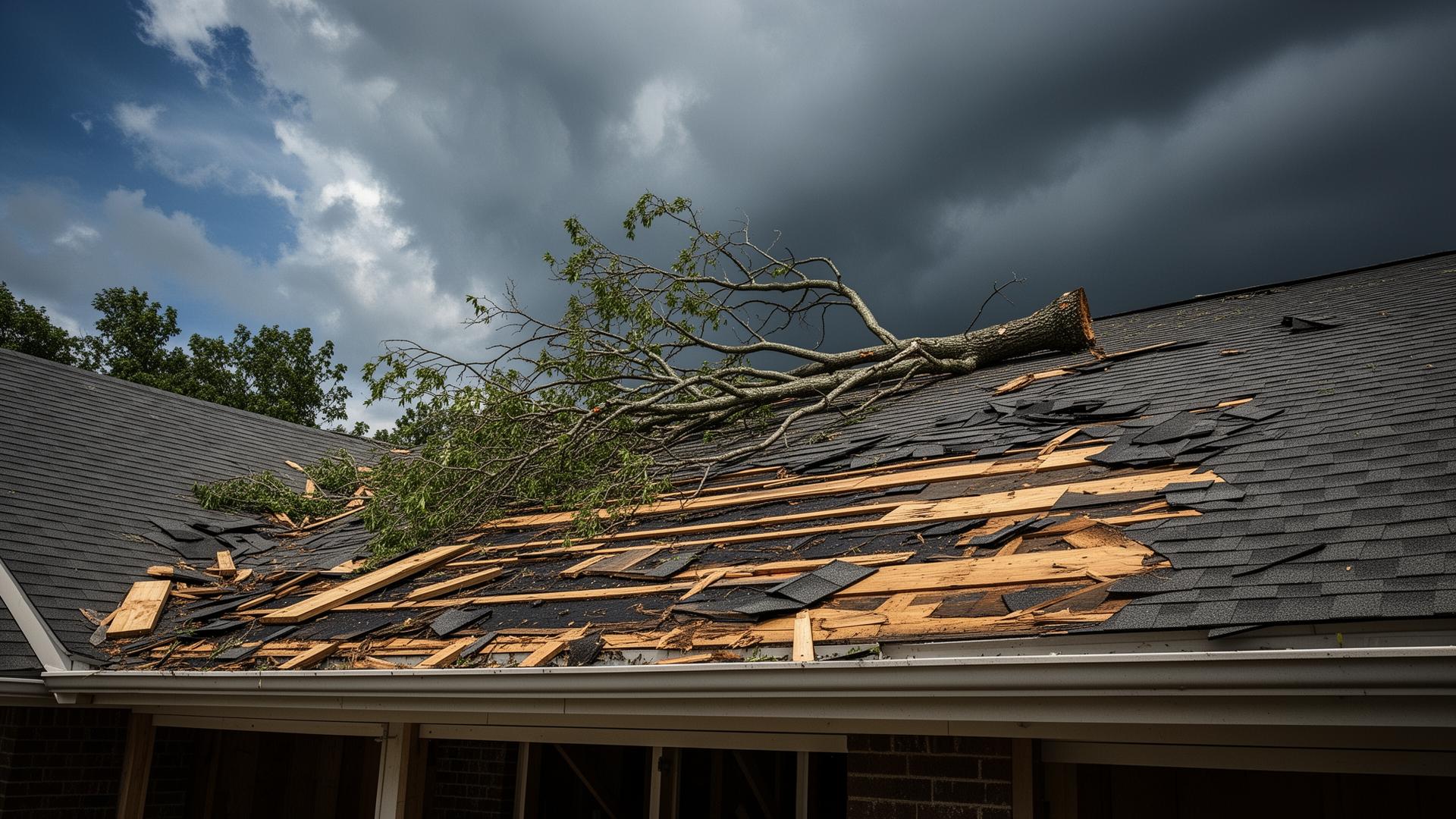
Georgia experiences severe thunderstorms, tornadoes, and tropical remnants that threaten roofs statewide. Atlanta-area homeowners need to understand damage assessment and recovery processes.
Georgia Storm Threats
Severe Thunderstorms: High winds and large hail are common during spring and summer.
Tornado Activity: Georgia sees approximately 30 tornadoes annually.
Tropical Remnants: Weakened hurricanes bring heavy rain and wind inland.
Straight-Line Winds: Damaging winds can exceed 70 mph without tornado formation.
Identifying Storm Damage
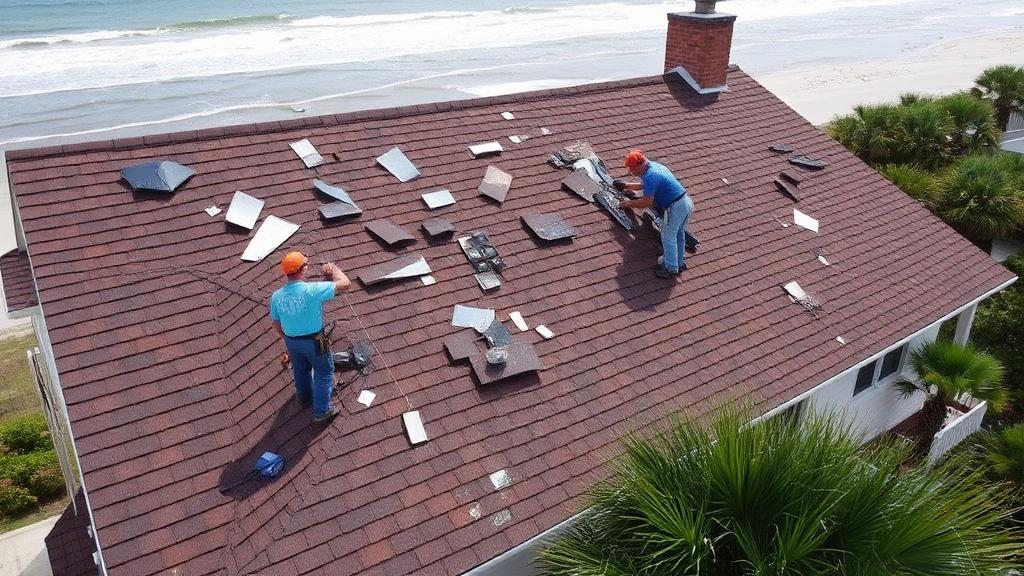
Wind Damage: Missing shingles, lifted edges, and exposed underlayment.
Hail Damage: Circular impacts, granule loss, and cracked shingles.
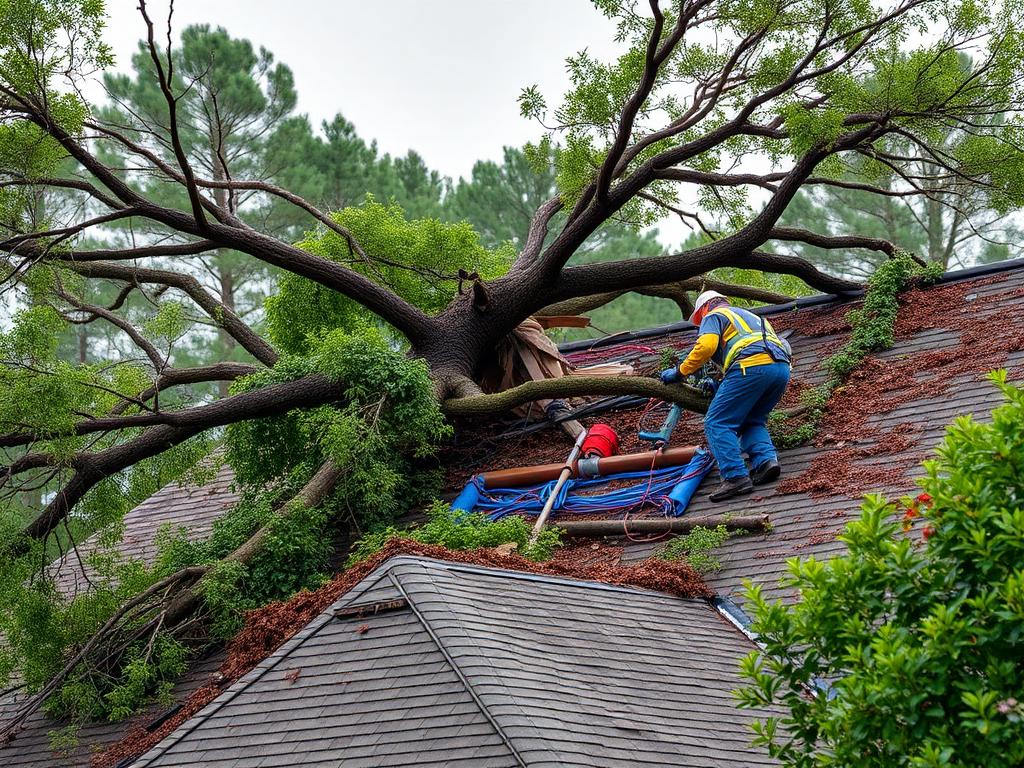
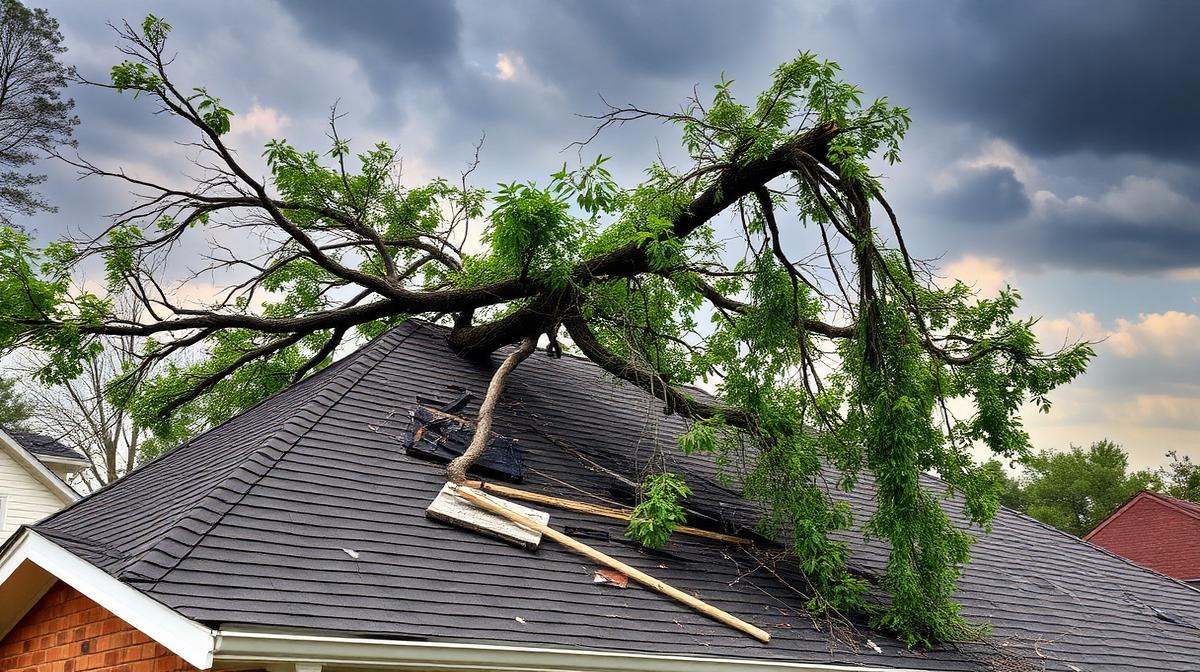
Debris Impact: Damage from fallen trees and flying objects.
Water Intrusion: Stains, dripping, and moisture in attic spaces.
Immediate Response
Safety Assessment: Ensure structural safety before inspecting.
Ground-Level Check: Start with exterior observation from the ground.
Interior Inspection: Look for water intrusion signs inside.
Photography: Document all damage before any repairs.
Emergency Repairs
Tarping: Cover exposed areas to prevent water damage.
Tree Removal: Address fallen trees carefully—consider professionals.
Debris Cleanup: Clear dangerous debris from property.
Temporary Fixes: Make only necessary immediate repairs.
Georgia Insurance Claims
Prompt Filing: Report damage quickly to your insurer.
Storm Documentation: Note specific storm dates and times.
Adjuster Coordination: Be present for insurance inspections.
Multiple Quotes: Get contractor estimates for comparison.
Finding Georgia Contractors
State Licensing: Verify Georgia contractor licenses.
Local Presence: Choose established Georgia contractors.
Storm Experience: Select contractors experienced with insurance restoration.
Written Contracts: Document all terms before work begins.
Atlanta Metro Considerations
Urban Challenges: City projects may face access and scheduling complexities.
HOA Requirements: Many communities have contractor and material requirements.
Permit Process: Metro Atlanta permits may take longer during storm season.
Preventive Measures
Regular Inspections: Annual inspections identify vulnerabilities.
Tree Maintenance: Trim trees that threaten your roof.
Material Upgrades: Consider impact-resistant materials when replacing.
Conclusion
Georgia storm damage requires prompt response and proper documentation. Work with licensed contractors and file insurance claims quickly.
Find Georgia roofing contractors for storm damage restoration.