How to Find and Fix Roof Leaks in Columbus Ohio: Step-by-Step Guide
Roof Leaks in Columbus: A Common Problem with Serious Consequences
Columbus, Ohio's climate creates perfect conditions for roof leaks. The city experiences all four seasons with intensity — hot, humid summers; cold, snowy winters; heavy spring rainfall; and fall storms with high winds. This constant cycling between wet, dry, hot, and cold conditions stresses roofing materials and creates vulnerabilities that eventually result in leaks.
Left unaddressed, even a small roof leak can cause thousands of dollars in damage to insulation, drywall, electrical systems, and structural components. This guide helps Columbus homeowners identify, locate, and address roof leaks before they become major problems.
Most Common Causes of Roof Leaks in Columbus
1. Damaged or Missing Shingles Columbus's severe thunderstorms and winter wind events frequently damage shingles. Look for: - Missing shingles (especially on south and west-facing slopes) - Cracked or split shingles from freeze-thaw cycles - Curling or buckling shingles indicating age or ventilation issues - Lifted shingle tabs from wind events
2. Flashing Failures Flashing — the metal pieces that seal transitions and penetrations — is the most common leak source: - Chimney flashing (the #1 leak location in Columbus homes) - Pipe boot/vent flashings (rubber deteriorates in Columbus's UV and temperature extremes) - Valley flashing (high water flow areas) - Wall-to-roof transitions (dormers, additions) - Skylight seals
3. Ice Dam Damage Columbus averages 22 inches of snow per year, enough to create ice dams: - Water backs up under shingles at eaves - Freeze-thaw cycles worsen damage over time - Often not discovered until spring thaw reveals interior damage
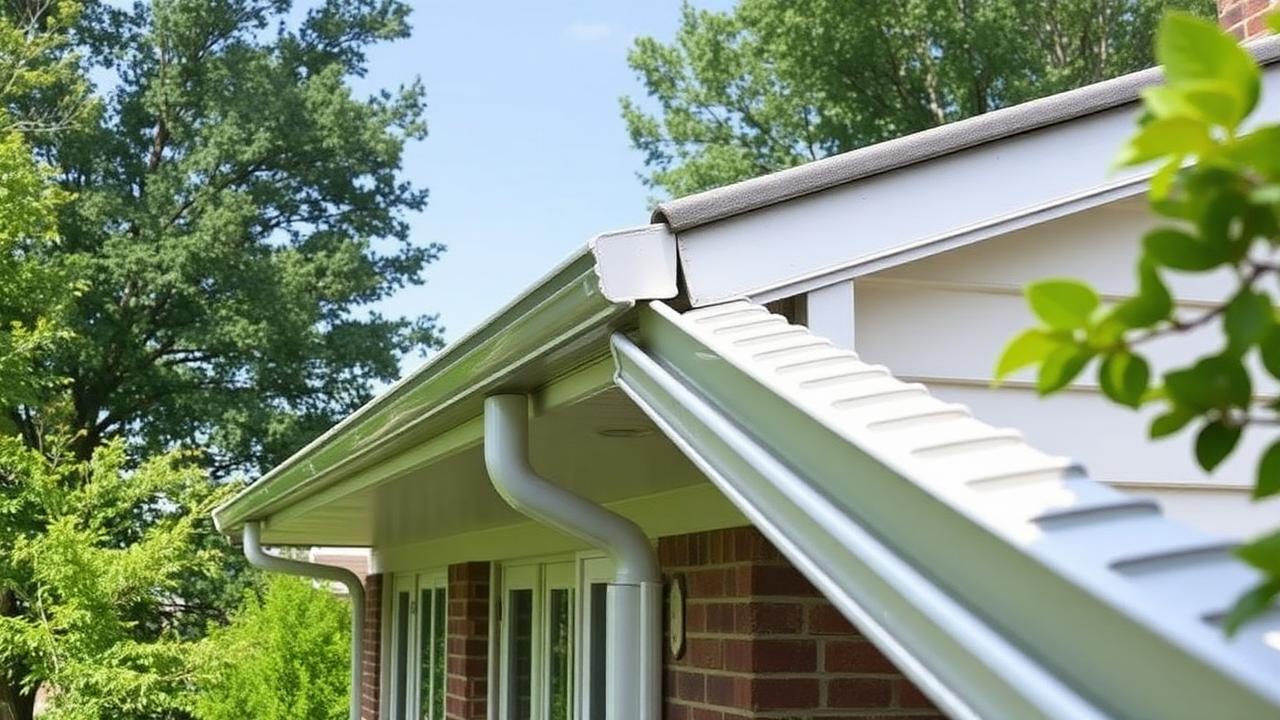
4. Clogged Gutters Columbus's abundant trees (particularly in neighborhoods like Clintonville, Bexley, and Upper Arlington) fill gutters with debris: - Water backs up under shingle edges - Fascia board rot from standing water - Foundation damage from overflow
5. Age-Related Wear Many Columbus homes have roofs approaching or exceeding their expected lifespan: - Granule loss exposing asphalt substrate - Underlayment deterioration - Nail pops from wood expansion/contraction - Sealant strip failure between shingle layers
How to Find a Roof Leak: Step-by-Step
Step 1: Identify the Interior Evidence Start inside your home and document: - Water stains on ceilings (note: stains may be far from the actual leak) - Peeling paint or bubbling drywall - Musty odors indicating hidden moisture - Wet insulation in the attic - Daylight visible through the roof (check during daytime)
Step 2: Trace the Leak Path Water travels along the path of least resistance, often far from its entry point: - In the attic, look for water trails on rafters and sheathing - Follow stains uphill toward the roof peak - Check areas above the interior damage location - Mark the trail with tape or chalk for reference
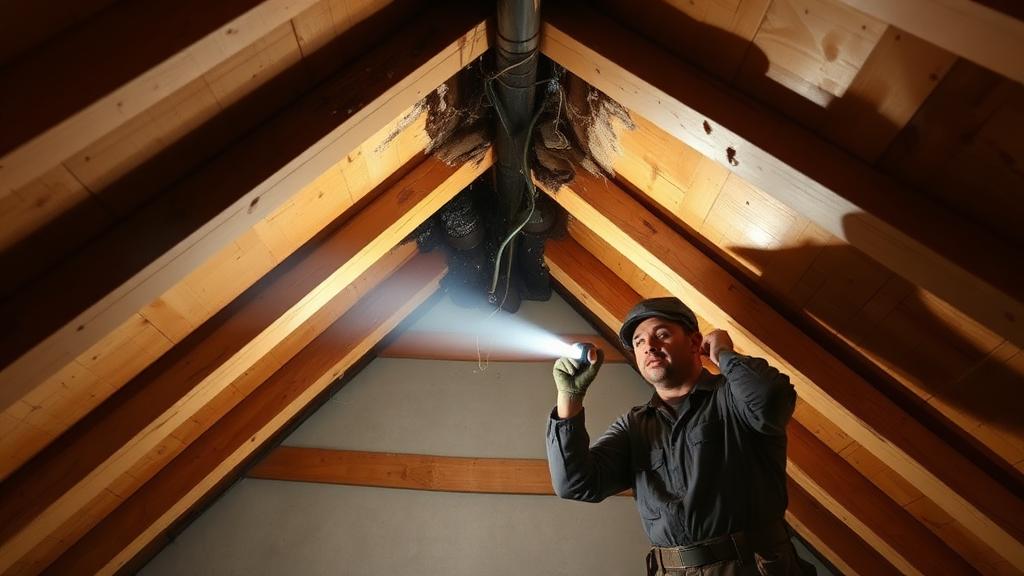
Step 3: Inspect Common Leak Points from the Attic Using a flashlight, carefully inspect: - All penetrations (plumbing vents, exhaust fans, chimneys) - Valley areas where two roof planes meet - Areas around skylights - Eave edges (potential ice dam entry points) - Any areas with daylight visible
Step 4: Exterior Roof Inspection If safe to access (single-story, dry conditions, proper ladder): - Inspect the area above where you found interior evidence - Check flashing seals at all penetrations - Look for damaged, missing, or displaced shingles - Examine valley conditions - Check gutter attachment and drainage
Important Safety Note:: Never walk on a wet, icy, or steeply pitched roof. For multi-story homes or unsafe conditions, use binoculars from the ground or hire a professional.
Step 5: The Water Test (If Leak Location Is Unclear) Have someone inside the attic watching while you: - Use a garden hose on specific roof sections - Start low on the roof and work upward - Soak each area for several minutes before moving up - When the inside observer sees water, you've found the entry point - Mark the location and stop the water
DIY Roof Leak Repairs for Columbus Homeowners
Shingle Replacement:: - Carefully lift surrounding shingles - Remove damaged shingle nails with a flat pry bar - Slide new shingle into position - Nail with 4 roofing nails just below the adhesive strip - Apply roofing cement under the tabs of surrounding shingles - Cost: $5–$15 in materials
Pipe Boot Replacement:: - Cut old sealant and pry up surrounding shingles - Remove old boot and nails - Apply roofing cement around the base - Slide new boot over pipe - Re-install shingles over the boot flange - Cost: $15–$30 in materials
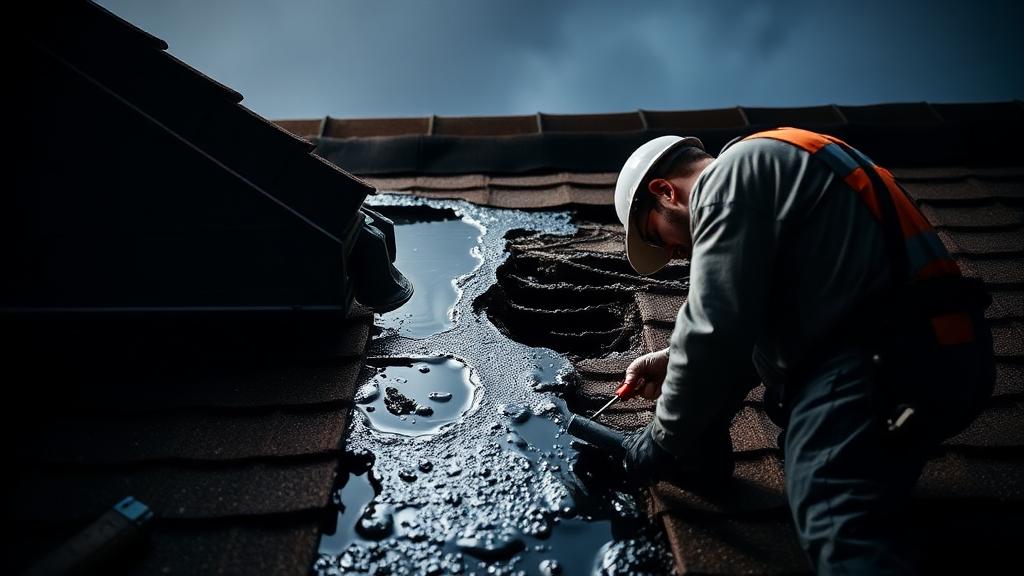
Emergency Temporary Patch:: - Clean and dry the damaged area - Apply roofing cement generously over the leak point - Press aluminum flashing or heavy-duty tarp over the cement - Apply more cement over the edges - This is temporary — schedule permanent repair promptly
When to Call a Professional
Call a professional roofer when: - The leak is in a valley, chimney, or skylight area (complex repairs) - Multiple leak locations are present - Structural damage is suspected - The roof is steep, high, or unsafe to access - DIY repair hasn't stopped the leak - The roof is near end-of-life (15+ years for asphalt) - Insurance claim documentation is needed
Professional Roof Leak Repair Costs in Columbus
| Repair Type | Cost Range |
|---|---|
| Single shingle replacement | $150–$400 |
| Pipe boot replacement | $200–$500 |
| Chimney flashing repair | $400–$1,500 |
| Valley repair | $500–$1,500 |
| Skylight re-sealing | $300–$800 |
| Emergency tarping | $200–$600 |
| Comprehensive leak investigation | $200–$500 |
| Section re-roofing | $1,000–$3,000 |
Find verified Columbus roofing contractors for professional leak detection and repair.
Preventing Future Leaks in Columbus
- Annual professional inspection (spring is ideal after winter weather)
- Clean gutters twice yearly (November and March)
- Trim trees to prevent branch damage and reduce debris
- Check attic for moisture after major storms
- Address small repairs promptly before they become major leaks
- Maintain proper ventilation to prevent ice dams and condensation
- Document roof condition annually for insurance purposes
Conclusion
Roof leaks in Columbus are inevitable given the city's demanding four-season climate, but catching them early and addressing them properly can prevent thousands in collateral damage. Whether you tackle simple repairs yourself or hire a professional for complex work, the key is acting quickly. Start by connecting with verified Columbus roofers for a professional assessment.