Flat Roof Repair in Chicago: Common Problems and Solutions (2026 Guide)
Flat Roof Repair in Chicago: Common Problems and Solutions
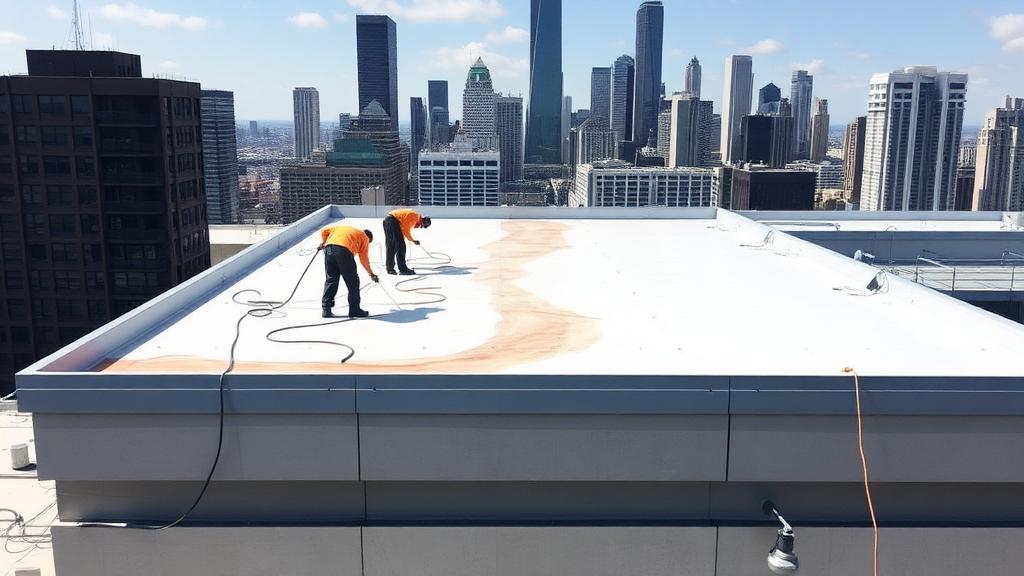
Chicago's flat roof tradition dates back to the city's post-fire reconstruction in the 1870s. Today, flat and low-slope roofs remain a defining architectural feature of Chicago homes—from classic brick bungalows to modern condominiums. But Chicago's extreme climate creates unique challenges for flat roof maintenance and repair.
This guide covers the most common flat roof problems in Chicago, how to identify them, and the best repair solutions available in 2026.
Why Flat Roofs Face Extra Challenges in Chicago
Chicago's weather is perhaps the most demanding environment for flat roofs in the United States:
Extreme temperature range:: Chicago experiences temperatures from -20°F to 100°F+, a range of 120°F. This extreme thermal cycling causes roofing membranes to expand and contract dramatically, leading to material fatigue and failure.
Heavy snow loads:: Average annual snowfall of 36 inches creates significant weight on flat roofs. A 6-inch layer of wet snow weighs approximately 21 pounds per square foot—enough to stress structural components.
Ice formation:: Freeze-thaw cycles create ice dams at drainage points, blocking water flow and causing ponding. Ice also expands in cracks and seams, worsening existing damage.
Wind-driven rain:: Chicago's "Windy City" reputation means rain doesn't just fall—it's driven horizontally against roof surfaces and into any gap or opening.
UV degradation:: Despite cold winters, Chicago receives significant summer sun exposure that breaks down membrane materials over time.
Common Flat Roof Problems in Chicago
1. Ponding Water
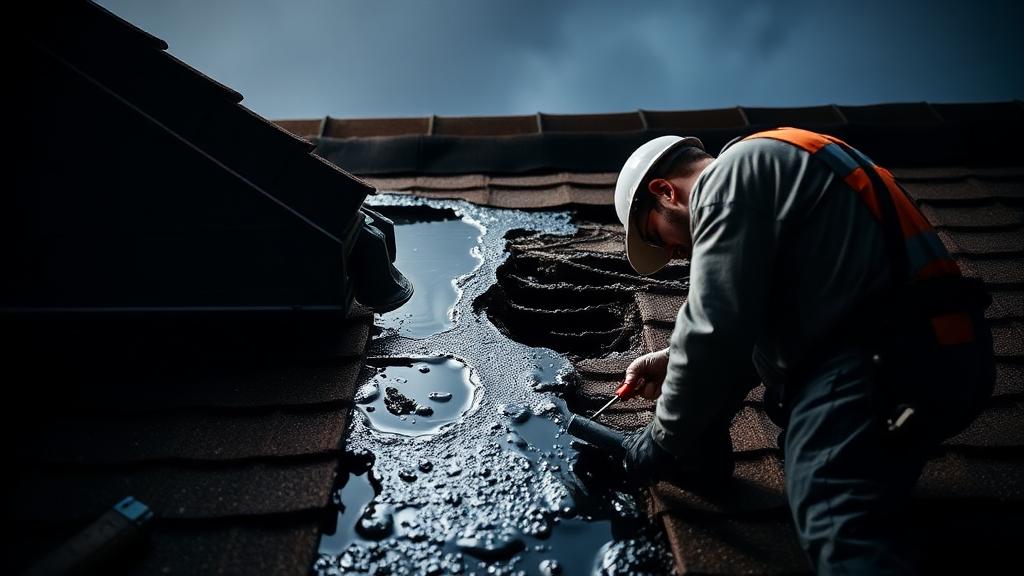
The problem:: Water that remains on a flat roof for 48+ hours after rain. Chicago's flat roofs are particularly susceptible due to inadequate slope, blocked drains, and structural settling.
Signs:: Visible water pools, dark staining patterns, algae or vegetation growth, sagging ceiling areas below.
Solutions:: - Improve drainage: Install additional drains or scuppers ($500–$2,000 each) - Create positive slope: Apply tapered insulation to direct water toward drains ($3–$6 per sq ft) - Clear blockages: Regular drain maintenance prevents most ponding ($200–$500 per visit) - Structural assessment: If the deck has settled, structural repairs may be needed ($2,000–$10,000)
2. Membrane Damage and Deterioration
The problem:: The waterproof membrane—whether modified bitumen, EPDM, TPO, or built-up roofing—develops cracks, splits, blisters, or punctures that allow water infiltration.
Signs:: Visible cracks or splits in the membrane, bubbling or blistering, exposed felt layers, granule loss on modified bitumen.
Solutions:: - Patch repair: Small areas of damage can be patched with compatible materials ($200–$800 per repair) - Seam re-welding: Failed seams on TPO or PVC membranes can be re-welded ($300–$1,000) - Coating application: A reflective coating can seal minor damage and extend membrane life ($1.50–$3 per sq ft) - Full membrane replacement: Extensive damage requires complete re-roofing ($5–$12 per sq ft)
3. Flashing Failures
The problem:: Flashing at roof edges, walls, penetrations, and parapets deteriorates from Chicago's freeze-thaw cycles. Failed flashing is the #1 source of flat roof leaks.
Signs:: Separated or lifted flashing, rust on metal flashing, caulk or sealant failure, water staining on interior walls below parapet areas.
Solutions:: - Re-seal with elastomeric caulk: Temporary fix for minor gaps ($100–$300) - Replace metal flashing: Install new galvanized or aluminum flashing ($500–$2,000 per area) - Rebuild parapet caps: Deteriorated parapet coping requires complete replacement ($1,500–$5,000)
4. Ice Dam and Snow Damage
The problem:: Chicago's winter creates ice dams at roof edges and around drains, causing water backup that penetrates the roof system.
Signs:: Icicles forming at roof edges, water infiltration during or after thaws, visible ice buildup around drains.
Solutions:: - Improve insulation: Proper insulation prevents heat loss that causes ice dams ($2–$5 per sq ft) - Install heat cables: Electric heat cables around drains and edges prevent ice formation ($500–$1,500) - Snow removal: Professional snow removal after heavy storms prevents overloading ($200–$600 per visit) - Upgrade drainage: Heated drain systems prevent freeze-up ($1,000–$3,000 per drain)
5. Structural Issues
The problem:: Decades of snow loading, water damage, and age can compromise the structural integrity of Chicago's older flat roof buildings.
Signs:: Sagging or bouncy roof surface, cracked or rotting joists visible from below, doors/windows sticking (indicating structural movement), wet insulation adding dead load.
Solutions:: - Joist sistering: Reinforcing weakened joists with new lumber ($100–$300 per joist) - Deck replacement: Replacing deteriorated plywood or tongue-and-groove decking ($3–$6 per sq ft) - Engineering assessment: Structural engineer evaluation ($500–$1,500) recommended before major repairs
Flat Roof Materials for Chicago Homes
Modified Bitumen The most common flat roofing material in Chicago's residential market. - Lifespan: 15–25 years - Cost installed: $4–$8 per sq ft - Pros: Excellent cold-weather flexibility, multiple repair options, proven Chicago track record - Cons: Requires torch application (fire risk) or cold-adhesive (higher cost)
TPO (Thermoplastic Polyolefin) Increasingly popular for Chicago flat roofs due to energy efficiency. - Lifespan: 20–30 years - Cost installed: $5–$9 per sq ft - Pros: Energy Star reflectivity, heat-welded seams, lightweight - Cons: Newer technology with less long-term data in Chicago's climate
EPDM (Rubber Roofing) A durable, time-tested option for Chicago flat roofs. - Lifespan: 20–30 years - Cost installed: $4–$8 per sq ft - Pros: Excellent flexibility in cold weather, affordable, easy to repair - Cons: Seams rely on adhesive (potential failure point), dark color absorbs heat
Built-Up Roofing (BUR) Traditional multi-layer system still used on some Chicago buildings. - Lifespan: 20–30 years - Cost installed: $5–$10 per sq ft - Pros: Proven longevity, excellent waterproofing, gravel surface provides UV protection - Cons: Heavy, labor-intensive installation, difficult to locate leaks
Chicago Flat Roof Maintenance Schedule
| Task | Frequency | Estimated Cost |
|---|---|---|
| Visual inspection | Twice yearly (spring and fall) | Free (DIY) or $200–$400 (professional) |
| Drain clearing | Quarterly | $150–$300 |
| Snow removal (heavy events) | As needed | $200–$600 per visit |
| Sealant/caulk touch-up | Annually | $200–$500 |
| Professional membrane inspection | Every 2–3 years | $300–$500 |
| Coating reapplication | Every 5–10 years | $1.50–$3/sq ft |
Chicago Building Code Requirements
Flat roof work in Chicago must comply with: - Chicago Building Code: All roofing work requires a building permit from the Department of Buildings - Energy code: Cool roof requirements for certain commercial and multi-family buildings - Fire rating: Minimum Class A fire rating for most Chicago applications - Structural requirements: Roof systems must support minimum 30 psf live load (for snow and maintenance) - Contractor licensing: Roofing contractors must be licensed by the City of Chicago
When to Repair vs. Replace
Repair makes sense when:: - Damage is localized to less than 25% of roof area - The roof membrane is less than 15 years old - Structural components are sound - Repairs cost less than 30% of full replacement
Replacement is better when:: - Multiple recurring leaks despite repairs - Membrane is past its expected lifespan - Structural damage is widespread - Energy costs are significantly higher than expected - You're planning a major renovation
Finding a Chicago Flat Roof Specialist
Flat roof work requires specialized expertise. Look for contractors who: - Hold a City of Chicago roofing contractor license - Specialize in flat/low-slope roofing (not just steep-slope) - Have manufacturer certifications for the specific membrane type - Carry adequate insurance for Chicago projects - Can provide references from similar Chicago flat roof projects
Find licensed flat roof specialists in Chicago with proven expertise in Chicago's demanding climate.
Conclusion
Chicago's flat roofs are both an architectural tradition and a maintenance responsibility. Understanding the common problems and solutions helps you catch issues early, minimize repair costs, and extend your roof's lifespan. Regular inspections, prompt repairs, and working with experienced Chicago flat roof professionals are the keys to keeping your home dry and protected.
Connect with Chicago's top-rated flat roof contractors for inspections, repairs, or replacement quotes.