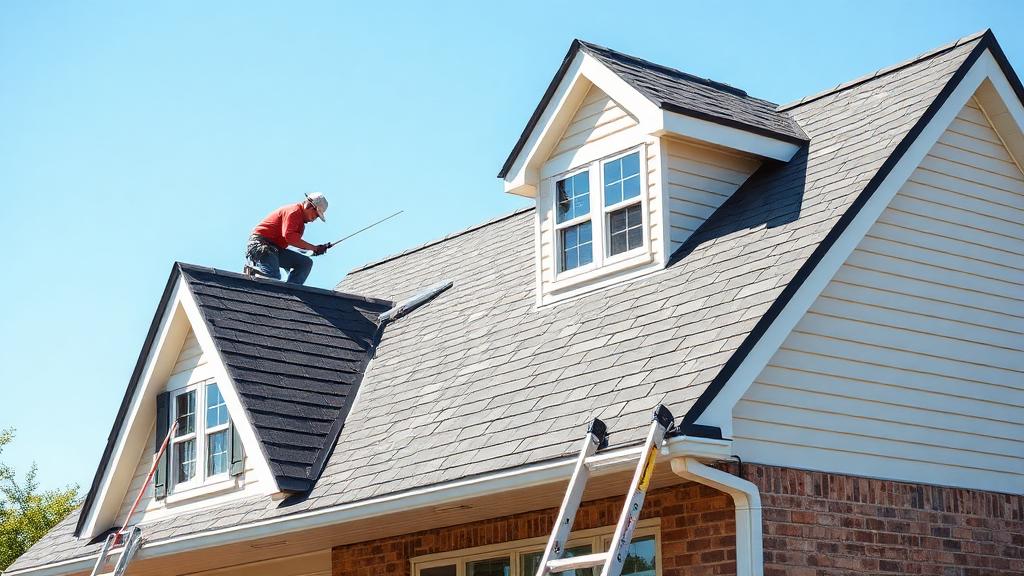
How to Get Accurate Roofing Estimates: Expert Tips for Homeowners

Getting accurate roofing estimates is crucial for budgeting your project and identifying reputable contractors. Unfortunately, many homeowners receive quotes that are incomplete, misleading, or intentionally lowballed to win business. This guide teaches you how to obtain detailed, comparable estimates and evaluate them intelligently.
Why Accurate Estimates Matter
The difference between the highest and lowest roofing quote often exceeds 50%—sometimes even 100%. This variation doesn't always reflect actual value differences. Low quotes may omit essential work, while high quotes may include unnecessary items or simply reflect overpricing.
Common Problems with Roofing Estimates:: - Incomplete scope descriptions - Missing material specifications - Hidden change order potential - Vague warranty terms - Unlisted but necessary work - Inaccurate measurements
Understanding what belongs in a proper estimate helps you compare apples to apples and identify both legitimate value and potential problems.
Before Requesting Estimates
Preparation helps you receive accurate, comparable quotes from multiple contractors.
Information to Gather:: - Approximate roof square footage (if known) - Roof age and material type - Known problems or concerns - Desired materials (or openness to options) - Budget range (general) - Timeline preferences
Documentation to Have Ready:: - Previous inspection reports - Insurance documentation (if claim-related) - HOA requirements (if applicable) - Photos of problem areas
Questions to Answer Before Calls:: - Are you considering repair or replacement? - Do you want the same material or are you open to alternatives? - Is this urgent or can you wait for optimal scheduling? - What's your decision-making timeline?
What Quality Estimates Should Include
Professional roofing estimates should be detailed documents, not quick verbal quotes or one-paragraph proposals.
Essential Inclusions:
1. Company Information:: - Full company name and address - License numbers - Insurance certificate reference - Contact information
2. Project Scope:: - Complete tear-off (if applicable) - Number of layers to remove - Disposal method and responsibility - Deck inspection and repair allowance
3. Material Specifications:: - Manufacturer name - Product line and style - Color selection - Warranty tier (30-year, 50-year, etc.) - Underlayment type and brand - Accessory specifications
4. Labor Details:: - Installation methodology - Crew size and timeline - Supervisor information - Subcontractor disclosure
5. Additional Work:: - Flashing specifications - Ventilation work - Drip edge installation - Ice and water shield locations - Pipe boot replacement
6. Exclusions:: - What's NOT included - Potential change order triggers - Items requiring additional quotes
7. Pricing:: - Itemized breakdown (preferred) - Or clear total with scope reference - Payment schedule - Price validity period
8. Warranties:: - Material warranty details - Workmanship warranty duration - Warranty claim process
9. Project Timeline:: - Start date estimate - Completion estimate - Weather contingency approach
How to Request Comparable Quotes
Getting truly comparable quotes requires providing consistent information to each contractor.
Standardize Your Requests:: Create a brief project summary including: - Roof type and approximate size - Current roofing material - Desired outcome (repair/replacement) - Specific material preferences (if any) - Known issues or concerns
Provide identical information to each contractor so quotes reflect the same scope.
Request Specific Detail:: Ask each contractor to include: - Exact material specifications (not just "dimensional shingles") - Detailed scope of tear-off work - Flashing approach and materials - Underlayment specifications - How they handle discovered damage
Get Everything in Writing:: Never accept verbal quotes for significant work. Professional contractors provide written estimates without resistance.
Red Flags in Roofing Estimates
Certain patterns in estimates should trigger caution.
Pricing Red Flags:: - Significantly lower than other quotes (25%+ below average) - Pressure to sign immediately - "Today only" discount offers - Demand for large upfront payment (more than 30%) - Cash-only requirements
Documentation Red Flags:: - Vague material descriptions - Missing warranty information - No company address or license numbers - Handwritten on generic paper - Missing signature and date
Scope Red Flags:: - No mention of underlayment - Silent on flashing approach - Unclear about tear-off - No disposal mention - Missing ventilation consideration
Communication Red Flags:: - Won't provide written estimate - Unwilling to answer questions - Pressures quick decision - Discourages getting other quotes - Makes unrealistic promises
Evaluating and Comparing Estimates
Once you have multiple estimates, compare them systematically.
Create a Comparison Matrix:: List key elements and compare how each quote addresses them: - Material brand and product line - Underlayment type - Flashing scope - Decking repair approach - Ventilation work - Warranty terms - Timeline - Total price
Normalize for Scope:: If quotes include different scope, adjust mentally: - Quote A includes gutter replacement; Quote B doesn't - Quote A uses premium underlayment; Quote B uses basic - Quote A replaces all flashing; Quote B only as needed
Calculate Value, Not Just Price:: Consider: - Material quality and expected lifespan - Contractor reputation and reviews - Warranty strength - Communication quality - Timeline and convenience
Verify Critical Details:: Before deciding, verify: - Contractor licensing (check state database) - Insurance coverage (request certificate) - References (call at least two) - Reviews (check multiple platforms)
Questions to Ask About Estimates
Don't hesitate to ask clarifying questions about any estimate.
Scope Questions:: - What's included in tear-off and disposal? - What happens if you find deck damage? - What underlayment are you using and where? - How are you handling flashing around chimneys/skylights? - Are you replacing pipe boots?
Material Questions:: - Why did you recommend this specific product? - What's the warranty on these materials? - Can I see samples or color options? - What's the difference between this and the next tier up?
Process Questions:: - Who supervises the installation? - How long will the project take? - What happens if it rains during installation? - How do you handle cleanup?
Warranty Questions:: - What does your workmanship warranty cover? - How do I file a warranty claim? - Is the warranty transferable if I sell? - What would void the warranty?
Negotiating and Final Steps
After evaluating estimates, you may have room for negotiation.
Negotiation Approaches:: - Ask if timing flexibility provides savings - Inquire about material alternatives - Request matching better terms from competitor quotes - Ask about seasonal discounts
What NOT to Negotiate:: - Quality of materials below acceptable standards - Proper installation practices - Necessary safety measures - Required permits
Before Signing:: - Read the entire contract - Verify the price matches the estimate - Confirm start date and timeline - Understand payment schedule - Get copy for your records
Getting Estimates for Specific Situations
Different circumstances require adjusted approaches.
Insurance Claims:: - Document everything before getting estimates - Understand your insurance coverage - Get contractor familiar with insurance processes - Compare contractor estimate to adjuster estimate
Emergency Repairs:: - Get temporary protection first - Document damage before repair - Get multiple quotes if time allows - Understand emergency pricing premiums
Partial Repairs:: - Ensure contractor examines entire roof - Understand how repair integrates with existing - Discuss future replacement timeline - Get honest assessment of repair vs. replace
Finding Reputable Contractors for Quotes
Quality estimates start with quality contractors.
Sources for Contractors:: - Personal referrals from neighbors/friends - Local roofing directories - Manufacturer certified contractor lists - BBB accredited businesses - Industry association members
Pre-Qualification Questions:: - How long have you been in business? - Are you licensed and insured? - Do you handle permits? - Can you provide local references?
Getting 3-5 estimates from qualified contractors gives you the comparison data needed to make an informed decision.
Conclusion
Accurate, detailed roofing estimates are essential for budgeting your project and choosing the right contractor. By understanding what should be included, asking the right questions, and comparing quotes systematically, you can confidently select a contractor who will deliver quality work at a fair price.
Ready to start getting quotes? Find reputable local roofing contractors who provide the detailed estimates you need to make an informed decision.