How to Prepare Your Roof for Hurricane Season in Miami (2026 Guide)
How to Prepare Your Roof for Hurricane Season in Miami
Living in Miami means hurricane season is an annual reality. From June through November, South Florida homeowners face the threat of powerful storms that can cause devastating roof damage. Proper preparation is the single most effective way to protect your home and minimize costly repairs.
In this comprehensive 2026 guide, we'll walk you through everything you need to know about hurricane-proofing your roof in Miami—from pre-season inspections to emergency repair plans.
Why Hurricane Roof Preparation Matters in Miami
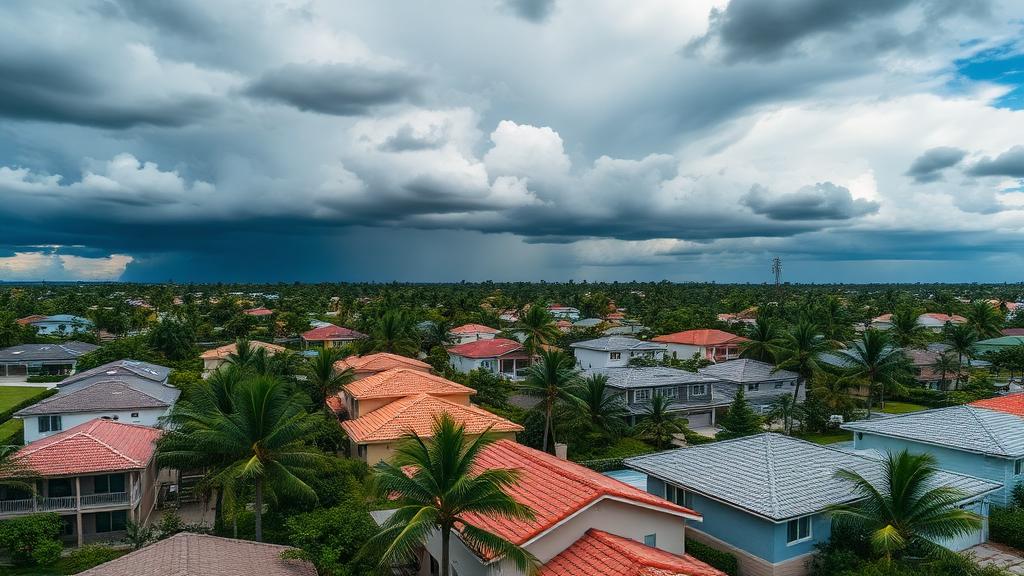
Miami sits in one of the most hurricane-prone regions in the United States. The combination of warm Atlantic waters and geographic exposure makes South Florida particularly vulnerable to tropical storms and hurricanes. According to NOAA data, Miami-Dade County has been impacted by more hurricanes than almost any other county in the nation.
Key statistics for Miami homeowners:: - Average wind speeds during a Category 3 hurricane exceed 130 mph - Roof damage accounts for approximately 40% of all hurricane-related property damage - Homes with properly reinforced roofs are 85% less likely to suffer catastrophic structural failure - Insurance claims for roof damage in Florida averaged $18,000–$45,000 in recent hurricane seasons
The cost of preparation is a fraction of what you'd spend on emergency repairs or a full roof replacement after a storm.
Step 1: Schedule a Professional Roof Inspection
The foundation of hurricane preparedness starts with a thorough roof inspection. A qualified Miami roofing contractor will evaluate:
Structural integrity:: Checking the roof deck, trusses, and rafters for signs of weakness, rot, or previous damage that could compromise performance during high winds.
Shingle and tile condition:: Loose, cracked, or missing shingles and tiles are the first components to fail during a hurricane. Even small gaps can allow wind-driven rain to penetrate your roof system.
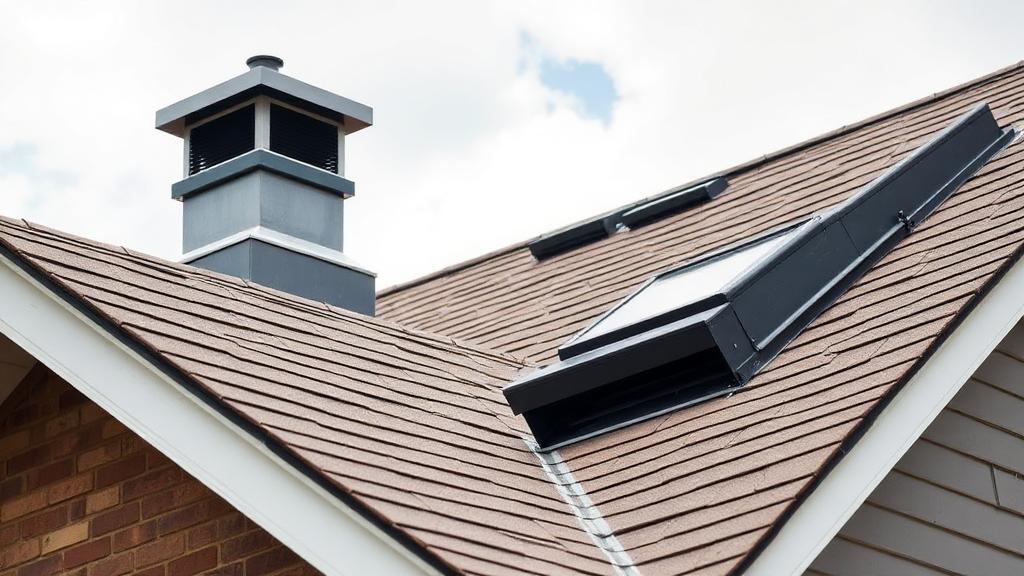
Flashing and sealant:: Metal flashing around chimneys, vents, and roof edges must be securely fastened and sealed. Deteriorated flashing is a common entry point for water during storms.
Soffit and fascia:: These components protect your attic from wind infiltration. Damaged soffits can allow wind to enter the attic space, creating uplift pressure that can tear the roof off from the inside.
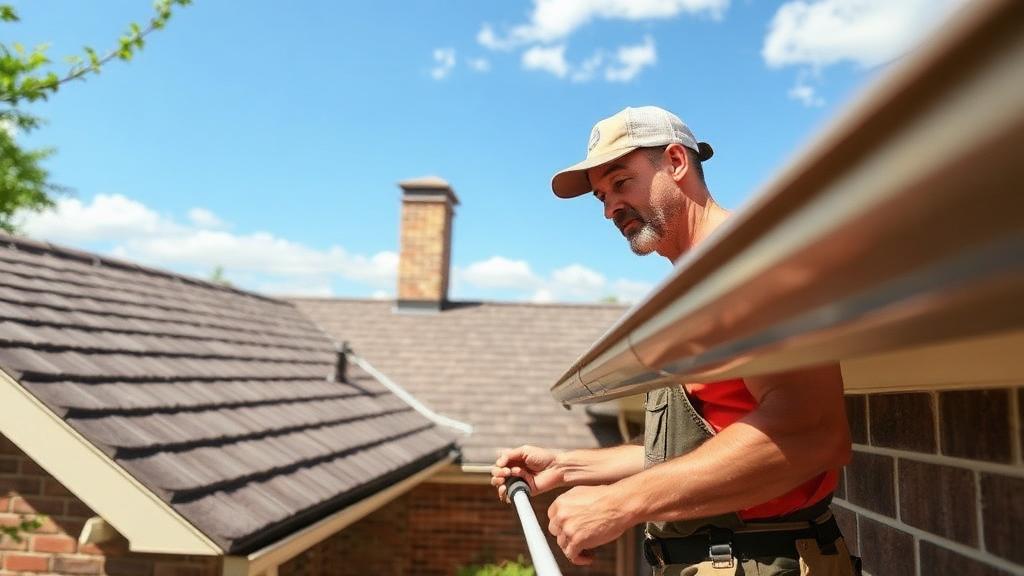
Drainage systems:: Gutters and downspouts must be clear and properly attached. During a hurricane, clogged gutters can cause water to back up under roofing materials.
Step 2: Reinforce Your Roof Structure
If your inspection reveals vulnerabilities, reinforcement is critical before hurricane season begins:
Hurricane Straps and Clips
Hurricane straps (also called tie-downs or clips) are metal connectors that secure your roof structure to the walls of your home. They create a continuous load path from the roof to the foundation, preventing the roof from lifting off during high winds.
Cost:: $1,500–$5,000 for a typical Miami home Effectiveness: Reduces roof failure risk by up to 90% Building code: Required for all new construction in Miami-Dade County since 2002
Secondary Water Barrier
A secondary water barrier is an additional layer of protection applied directly to the roof deck. If the primary roofing material (shingles or tiles) is blown off, the secondary barrier prevents water from entering your home.
Options include:: - Self-adhering modified bitumen membrane ($2–$4 per square foot) - Closed-cell spray foam applied to the underside of the roof deck ($3–$6 per square foot) - Peel-and-stick underlayment products specifically designed for hurricane zones
Impact-Resistant Roofing Materials
Miami-Dade County has some of the strictest building codes in the nation regarding roofing materials. All roofing products must pass the Miami-Dade Notice of Acceptance (NOA) testing, which includes:
- Large missile impact test (simulating flying debris)
- Wind uplift resistance testing
- Water infiltration testing under simulated hurricane conditions
Top impact-resistant options for Miami:: - Concrete barrel tiles (wind resistance up to 180 mph) - Metal roofing with concealed fastener systems - Impact-rated asphalt shingles (Class 4 rated)
Step 3: Secure Loose Components
Before a hurricane arrives, take these immediate steps:
- Trim overhanging tree branches that could fall on your roof during high winds
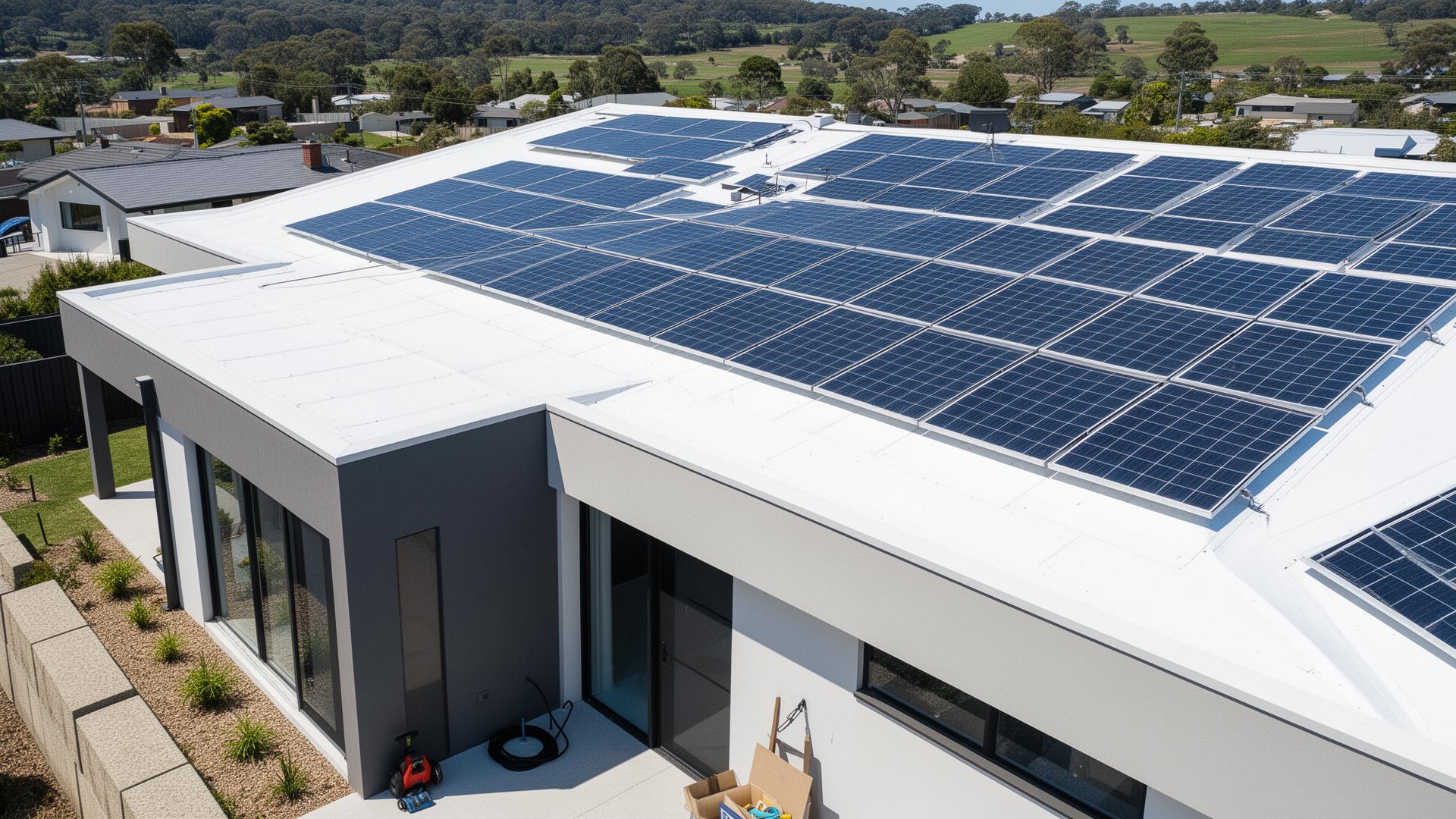
- Secure or remove rooftop equipment like satellite dishes, antennas, and solar panel components
- Reinforce ridge caps and hip shingles which are the most vulnerable to wind uplift
- Check and tighten gutter brackets to prevent gutters from becoming dangerous projectiles
- Seal all penetrations around vents, pipes, and skylights with hurricane-rated sealant
Step 4: Understand Your Insurance Coverage
Many Miami homeowners discover gaps in their insurance coverage after a hurricane—when it's too late. Review your policy now:
Wind vs. flood coverage:: Standard homeowner's insurance in Florida typically covers wind damage but NOT flood damage. You need a separate flood insurance policy through the National Flood Insurance Program (NFIP) or a private insurer.
Deductible structure:: Florida hurricane deductibles are typically 2%–5% of your home's insured value, NOT a flat dollar amount. For a $500,000 home, that's $10,000–$25,000 out of pocket.
Wind mitigation discounts:: If you've made hurricane-resistant improvements to your roof, you may qualify for significant insurance premium reductions. A wind mitigation inspection documenting your roof's features can save you 10%–45% on your annual premium.
Step 5: Create an Emergency Roof Repair Plan
Despite the best preparation, some damage may occur during a hurricane. Having a plan in place ensures you can respond quickly:
Stockpile emergency materials:: - Heavy-duty tarps (at least 20' x 30') - Plywood sheets (for covering broken windows or damaged sections) - Roofing nails and a hammer - Waterproof tape and sealant - Battery-powered tools
Pre-identify contractors:: Have at least two licensed roofing contractors in your contacts before a storm. After a major hurricane, reputable contractors are booked for months. Avoid storm chasers who appear after disasters offering suspiciously cheap prices.
Document your roof's condition:: Take photos and video of your roof from all angles before hurricane season. This documentation is invaluable for insurance claims if damage occurs.
Miami-Specific Building Code Requirements
Miami-Dade County has the strictest wind-load building codes in the United States. Here's what homeowners need to know:
Florida Building Code – High Velocity Hurricane Zone (HVHZ)
Properties within the HVHZ (which includes all of Miami-Dade and Broward counties) must comply with enhanced standards:
- Wind speed design: Structures must withstand sustained winds of 175 mph with gusts up to 210 mph
- Product approval: All roofing products must carry a Miami-Dade NOA or Florida Product Approval
- Installation standards: Specific nailing patterns, fastener types, and underlayment requirements
- Inspection requirements: Building department inspections at multiple stages of any roofing project
Permit Requirements
Any roofing work in Miami-Dade County requires a building permit. This includes: - Full roof replacements - Partial re-roofing (more than 25% of roof area) - Structural repairs to the roof deck or framing - Installation of hurricane straps or secondary water barriers
Typical permit costs:: $300–$800 depending on the scope of work
Cost of Hurricane Roof Preparation in Miami
| Preparation Task | Estimated Cost |
|---|---|
| Professional roof inspection | $250–$500 |
| Hurricane strap installation | $1,500–$5,000 |
| Secondary water barrier | $2,000–$6,000 |
| Impact-resistant re-roofing | $15,000–$35,000 |
| Gutter reinforcement | $500–$1,500 |
| Tree trimming | $300–$1,200 |
| Emergency supply kit | $200–$500 |
Total for comprehensive preparation:: $5,000–$15,000 (excluding full re-roofing)
When to Start Preparing
The ideal timeline for hurricane roof preparation in Miami:
January–March:: Schedule your professional roof inspection and identify any needed repairs or upgrades.
March–May:: Complete all reinforcement work, including hurricane strap installation, secondary water barriers, and any re-roofing projects.
May:: Finalize your emergency plan, stock supplies, and verify your insurance coverage.
June 1:: Hurricane season officially begins. Your roof should be fully prepared by this date.
Finding Qualified Hurricane Roofing Contractors in Miami
Not all roofing contractors are equally qualified for hurricane preparation work. Look for:
- Miami-Dade County licensed roofing contractors (verify at the county's contractor search)
- Experience with HVHZ construction and familiarity with local building codes
- Insurance and bonding appropriate for the scope of work
- References from local homeowners who've been through a hurricane season
- Written warranties covering both materials and workmanship
Find trusted roofing professionals in Miami who specialize in hurricane preparation and storm damage repair.
Conclusion
Hurricane preparation isn't optional for Miami homeowners—it's essential. The time and money invested in reinforcing your roof before a storm hits will save you exponentially more in emergency repairs, insurance headaches, and personal stress. Start your preparation early, work with qualified professionals, and ensure your home is as hurricane-ready as possible before June 1.
Don't wait until a storm is in the forecast. Schedule your hurricane readiness inspection today and protect your most valuable investment.