Roof Ventilation Problems in Houston: Causes, Signs, and Fixes (2026)
Roof Ventilation Problems in Houston: Causes, Signs, and Fixes
Houston's combination of extreme heat and high humidity makes proper roof ventilation absolutely critical—yet it's one of the most overlooked aspects of home maintenance in the Greater Houston area. Poor ventilation can cut your roof's lifespan in half, dramatically increase energy costs, and create serious health hazards from mold growth.
This guide helps Houston homeowners identify ventilation problems and implement effective solutions.
Why Ventilation Matters More in Houston
Houston's climate creates a perfect storm for ventilation-related problems:
Extreme heat:: Houston averages 99 days per year above 90°F. Without proper ventilation, attic temperatures can exceed 150–160°F, radiating heat into living spaces and baking roofing materials from below.
High humidity:: Houston's average relative humidity hovers around 75%. Moisture-laden air that enters the attic without adequate ventilation leads to condensation, mold, and wood rot.
Thermal cycling:: The significant daily temperature swings (especially during transitional seasons) cause condensation as warm, moist air contacts cooler surfaces in an under-ventilated attic.
AC load:: Houston homes rely heavily on air conditioning 8–10 months per year. An overheated attic adds substantial load to your HVAC system, increasing energy costs by 20–40%.
Common Signs of Ventilation Problems
Interior Signs
Unusually high energy bills:: If your cooling costs are significantly higher than neighbors with similar-sized homes, poor ventilation may be forcing your AC system to work harder than necessary.
Hot upstairs rooms:: Second-floor rooms that are consistently 5–10°F warmer than ground-floor rooms often indicate heat radiating from an overheated attic.
Moisture on windows:: Condensation on windows during mild weather suggests excessive moisture in the home, which can originate from a poorly ventilated attic.
Musty odors in upper floors:: Musty smells, especially in closets, bathrooms, or hallways on upper floors, can indicate mold growth in the attic space above.
Peeling paint on exterior soffits:: Paint blistering or peeling on the underside of roof overhangs suggests moisture is escaping through the soffit area—a sign of excessive attic moisture.
Attic Signs
Visible mold or mildew:: Black, green, or white spots on rafters, roof deck, or insulation indicate dangerous mold growth fueled by trapped moisture.
Wet or compressed insulation:: Insulation that's damp, compressed, or discolored has lost its effectiveness and indicates chronic moisture problems.
Rusty nail tips:: Nail tips protruding through the roof deck that show rust indicate condensation is forming on the metal surfaces.
Wood rot on rafters or deck:: Soft, discolored, or deteriorating wood indicates prolonged moisture exposure that can compromise structural integrity.
Extreme attic temperature:: If your attic is more than 10–15°F above the outside temperature on a hot day, ventilation is inadequate.
Exterior Signs
Wavy or buckled shingles:: Excessive attic heat can cause the roof deck to warp, which transmits to the shingles above.
Premature shingle aging:: If your roof looks significantly older than its actual age, heat damage from below may be the cause.
Ice dam formation:: While rare in Houston, during occasional freezing events, poor ventilation can cause ice dams at the eaves.
Causes of Poor Ventilation in Houston Homes
1. Blocked Soffit Vents
The problem:: Insulation blown against soffit vents, paint sealing vent openings, or debris clogging perforated soffit panels prevents intake air from entering the attic.
How common:: This is the #1 ventilation problem in Houston homes. An estimated 60% of Houston homes with ventilation issues have blocked soffits.
Solution:: Install rafter baffles (ventilation chutes) to maintain clear airflow channels between insulation and the roof deck. Clear any debris or paint from soffit openings. Cost: $500–$2,000.
2. Insufficient Exhaust Ventilation
The problem:: Not enough ridge vent, roof vents, or exhaust fans to allow hot air to escape from the attic space.
Solution:: Add ridge vent (the most effective passive exhaust system) or supplemental roof vents. For Houston's extreme heat, solar-powered attic fans provide active ventilation without adding to energy costs. Cost: $500–$3,000.
3. Mixed Ventilation Systems
The problem:: Combining different ventilation types (e.g., ridge vent with powered gable fans) can create short-circuiting where air circulates only near the exhaust point instead of flowing across the entire attic.
Solution:: Choose one exhaust system and optimize it. Ridge vent with soffit intake is the most effective combination for Houston homes. Cost: $1,000–$3,000 to convert.
4. Inadequate Ventilation Ratio
The problem:: Building codes require a minimum ratio of 1:150 (1 sq ft of net free vent area per 150 sq ft of attic floor). Many older Houston homes fall well below this standard.
Solution:: Calculate your required ventilation area and add intake and exhaust vents as needed. Split 50/50 between intake (soffit) and exhaust (ridge/roof vents). Cost: $1,500–$5,000.
5. HVAC Equipment in Attic
The problem:: Many Houston homes have AC air handlers and ductwork in the attic. Leaky ducts dump conditioned air into the attic, creating temperature differentials and moisture problems.
Solution:: Seal all duct connections, insulate ductwork to R-8 minimum, and consider moving equipment to conditioned space during renovation. Cost: $500–$3,000 for duct sealing/insulation.
Ventilation Solutions for Houston Homes
Ridge Vent + Soffit Vent System
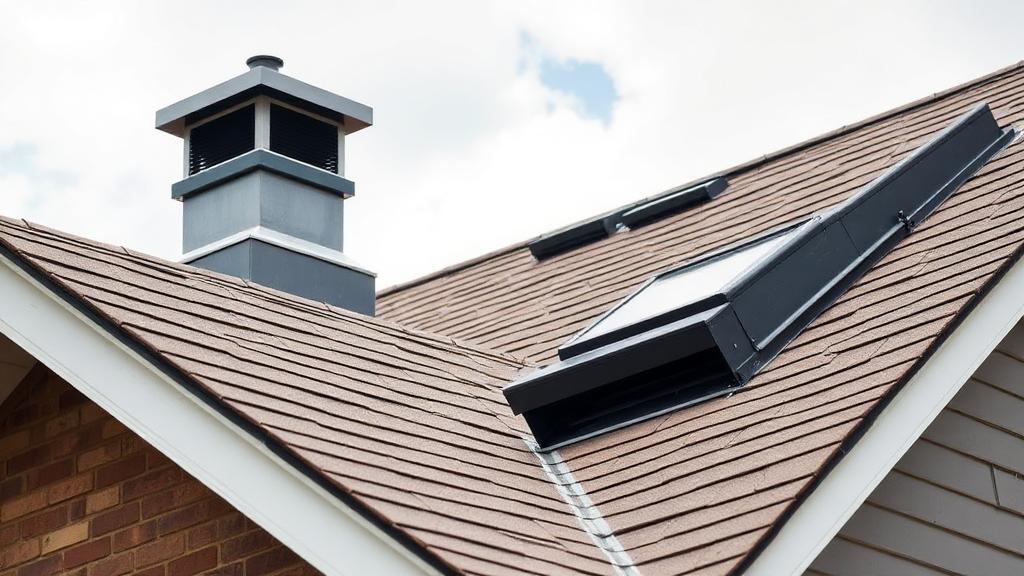
The most effective passive ventilation system: - Continuous ridge vent along the entire roof peak - Continuous soffit vents along all eaves - Rafter baffles to maintain clear airflow channels - Cost: $1,500–$4,000 for installation - Effectiveness: Provides continuous, even airflow across entire attic
Solar-Powered Attic Fans
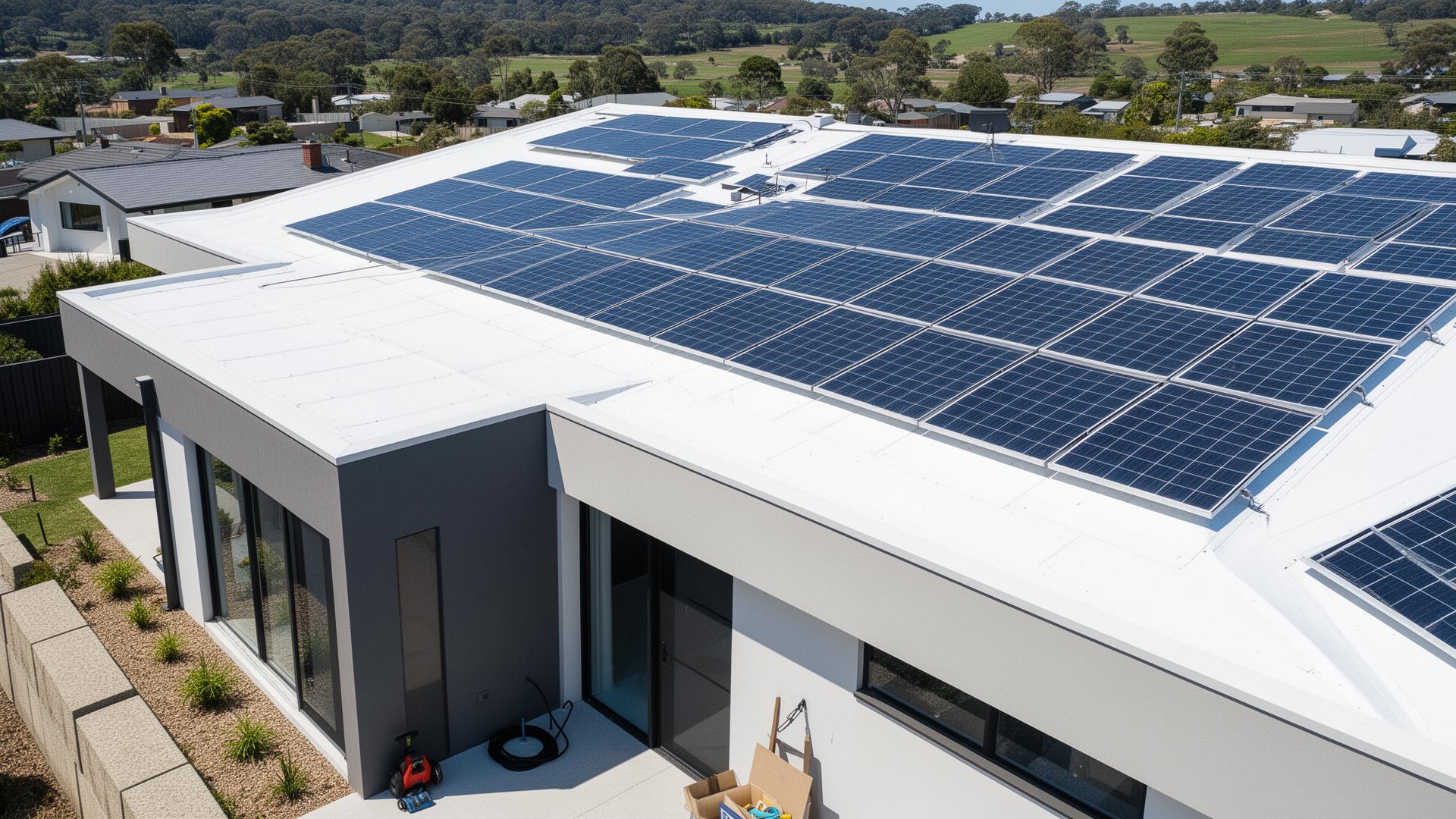
Ideal for Houston's sunny climate: - Zero operating cost (powered by integrated solar panel) - Removes hot air actively—more effective than passive vents alone - Can move 800–1,600 CFM of air - Cost: $400–$800 per fan (typically need 1–2 for average home) - Effectiveness: Reduces attic temperatures by 20–40°F
Powered Attic Ventilators
For homes where solar isn't practical: - Thermostat-controlled to activate when attic reaches set temperature - Available in gable-mount and roof-mount configurations - Cost: $300–$600 per unit plus electrical - Consideration: Adds to energy costs ($50–$100/year)
Radiant Barrier
Not technically ventilation, but highly effective in Houston: - Reflective foil applied to underside of roof rafters - Blocks 95% of radiant heat from entering attic - Reduces attic temperatures by 15–25°F - Cost: $800–$2,000 for typical Houston home - Can be combined with ventilation improvements for maximum effect
Houston Building Code Ventilation Requirements
Houston building codes require: - Minimum 1:150 ventilation ratio (or 1:300 with vapor barrier) - Balanced intake and exhaust ventilation - Cross-ventilation that prevents dead spots - Compliance with IRC Section R806 for attic ventilation
Cost vs. Savings Analysis
| Investment | Cost | Annual Energy Savings | Payback Period |
|---|---|---|---|
| Ridge + soffit vent system | $2,500 | $300–$600 | 4–8 years |
| Solar attic fan (x2) | $1,200 | $200–$400 | 3–6 years |
| Radiant barrier | $1,500 | $200–$500 | 3–7 years |
| Complete ventilation upgrade | $4,000–$6,000 | $500–$1,000 | 4–8 years |
| Duct sealing + insulation | $1,500 | $200–$400 | 4–7 years |
When to Call a Professional
While some ventilation improvements are DIY-friendly, Houston homeowners should call a professional when: - Mold is visible in the attic (remediation required before ventilation work) - Structural damage from wood rot is present - Electrical work is needed for powered ventilation - Roof modifications (cutting ridge vent, adding roof vents) are required - You're unsure about the correct ventilation calculation for your home
Find Houston roofing and ventilation specialists who understand the unique demands of Gulf Coast climate conditions.
Conclusion
Proper roof ventilation is one of the most cost-effective home improvements Houston homeowners can make. The combination of lower energy bills, extended roof life, prevented mold problems, and improved comfort makes ventilation upgrades a clear win. Don't wait for problems to develop—assess your attic ventilation now and make improvements before Houston's summer heat does its damage.
Schedule a ventilation assessment with Houston's top roofing professionals and start saving on energy costs today.