How to Prepare Your Roof for Winter in Pennsylvania
Pennsylvania winters are notoriously harsh, bringing heavy snowfall, ice storms, and freezing temperatures that can wreak havoc on unprepared roofs. As a homeowner in the Keystone State, taking proactive steps to winterize your roof is essential for protecting your investment and ensuring your family stays warm and dry throughout the cold months. This comprehensive guide will walk you through everything you need to know about preparing your roof for Pennsylvania's challenging winter weather.
Understanding Pennsylvania's Winter Weather Challenges
Pennsylvania experiences a continental climate with cold, snowy winters that can be particularly brutal in the northern and western regions. Cities like Erie, Pittsburgh, and Scranton regularly see significant snowfall, while the entire state is susceptible to ice storms and freezing rain. These conditions create unique challenges for residential roofing systems.
The primary threats to your roof during Pennsylvania winters include heavy snow loads that can stress structural components, ice dams that form along roof edges and cause water infiltration, freeze-thaw cycles that damage shingles and flashing, and wind-driven precipitation that finds its way into vulnerable areas. Understanding these threats is the first step toward effective preparation. If you need professional assistance, consider connecting with trusted roofing contractors in Pennsylvania who understand local conditions.
Schedule a Professional Roof Inspection
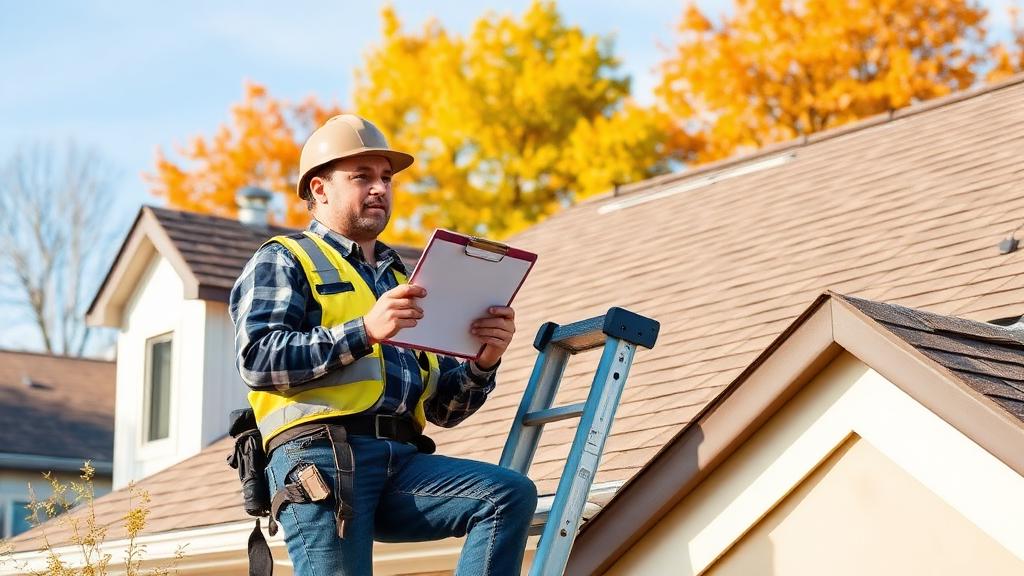
Before winter arrives, scheduling a professional roof inspection is one of the most important steps you can take. A qualified roofing contractor will identify potential problems before they become expensive emergencies. During the inspection, professionals will check for missing, cracked, or curling shingles, examine flashing around chimneys, vents, and skylights, assess the condition of your roof deck, inspect attic ventilation and insulation, and look for signs of previous water damage.
In Pennsylvania, the best time to schedule this inspection is in early fall, typically September or October, before temperatures drop and roofing companies become busy with emergency repairs. Many Pennsylvania roofing professionals offer fall inspection specials, making this an affordable investment in your home's protection.
Clean and Inspect Your Gutters
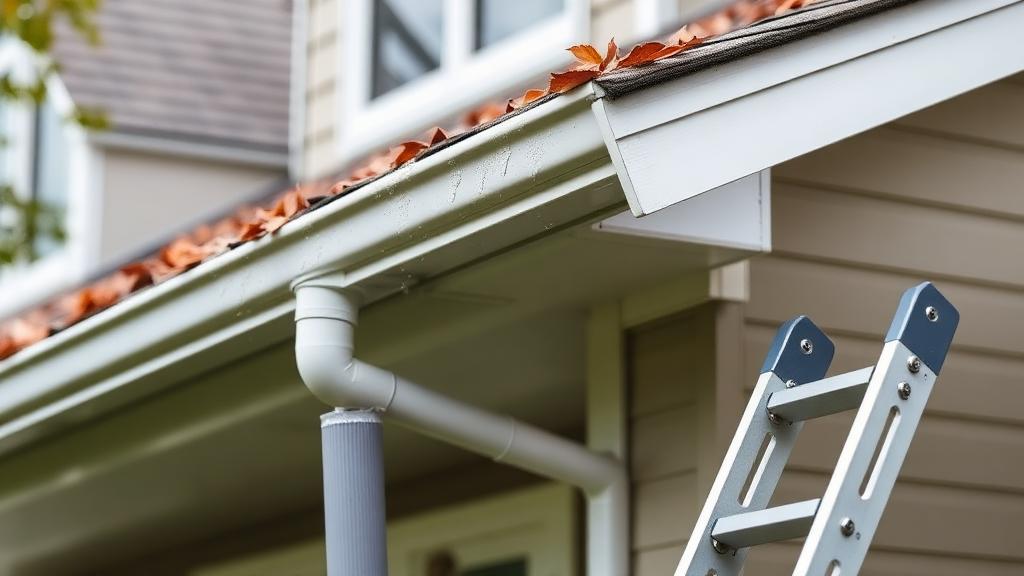
Clogged gutters are a leading cause of ice dams and water damage during Pennsylvania winters. When gutters are filled with leaves, twigs, and debris, water cannot flow properly to downspouts. Instead, it backs up, freezes, and creates ice dams that force water under your shingles and into your home.
To properly prepare your gutters for winter, remove all debris from gutters and downspouts, flush gutters with a hose to check for proper flow, inspect for rust, cracks, or loose sections, ensure downspouts direct water at least six feet from your foundation, and consider installing gutter guards to prevent future clogs. This maintenance should be completed after the last leaves have fallen, typically in late November for most Pennsylvania regions. Homeowners in cities like Philadelphia and Pittsburgh should pay particular attention to this step due to the abundance of mature trees in these urban areas.
Address Attic Ventilation and Insulation
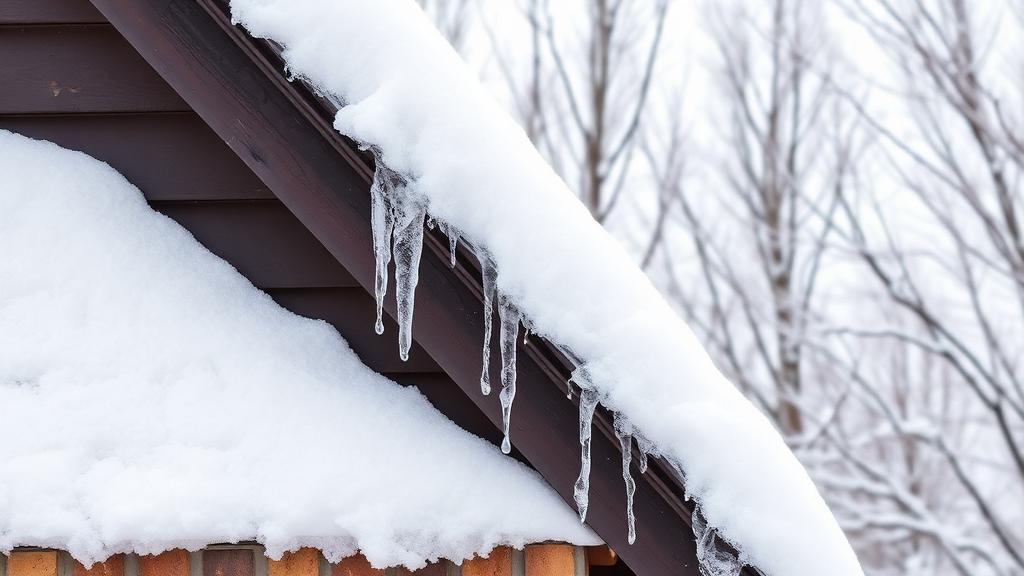
Proper attic ventilation and insulation are critical for preventing ice dams, one of the most damaging winter roofing problems in Pennsylvania. Ice dams form when heat escaping from your living space warms the roof deck, melting snow. This meltwater runs down to the colder eaves, where it refreezes, creating a dam that traps water on your roof.
Your attic should maintain a temperature close to the outside air temperature to prevent this cycle. This requires adequate insulation on the attic floor to keep heat in your living space, proper ventilation through soffit vents and ridge vents to circulate cold air, and sealed gaps around pipes, wires, and ductwork that allow warm air to escape. The recommended insulation level for Pennsylvania homes is R-49 to R-60, depending on your specific location and heating system. If your attic insulation is older or compressed, adding more before winter is a worthwhile investment.
Trim Overhanging Tree Branches
Pennsylvania's abundant forests and tree-lined neighborhoods mean many homes have branches extending over their roofs. While beautiful in summer, these branches pose significant winter hazards. Heavy snow and ice can cause branches to break and fall, damaging shingles, gutters, and structural components.
Before winter arrives, trim any branches that hang within ten feet of your roof. This distance accounts for the sway of branches during storms and the accumulation of snow that can cause them to bend lower. If you have large trees near your home, consider hiring a certified arborist who can safely remove hazardous limbs without damaging the tree or your property.
Check and Repair Flashing
Flashing is the metal material that seals joints and transitions on your roof, such as around chimneys, vents, skylights, and where the roof meets walls. Damaged or deteriorated flashing is a common source of winter leaks in Pennsylvania homes.
Inspect all flashing for rust, cracks, lifting, or missing caulk. Pay particular attention to chimney flashing, as the freeze-thaw cycles common in Pennsylvania can cause the mortar and flashing to separate over time. If you notice any problems, have them repaired before winter weather arrives. This is often a quick fix for a professional roofer but can prevent thousands of dollars in water damage.
Replace Damaged or Worn Shingles
Your shingles are your roof's first line of defense against winter weather. Take time to visually inspect your roof from the ground, looking for shingles that are cracked, curled, or missing entirely. Also check for granules accumulating in your gutters, which indicates shingle wear.
In Pennsylvania, asphalt shingles typically last between fifteen and twenty-five years, depending on quality and exposure. If your roof is approaching this age or showing significant wear, fall is an excellent time to consider replacement. Waiting until winter often means dealing with emergency repairs in difficult conditions, higher costs, and limited contractor availability. Learn more about roof replacement costs to plan your budget accordingly.
Install Heat Cables for Ice Dam Prevention
For homes with a history of ice dam problems, heat cables can be an effective preventive measure. These electrical cables are installed along the roof edge and in gutters, providing controlled heat that prevents ice from forming.
Heat cables are particularly useful in specific problem areas and on complex roof designs with multiple valleys where snow accumulates. They should be installed by a professional who can ensure proper placement and electrical connections. While they add to your winter energy costs, the protection they provide often outweighs the expense, especially for homes with recurring ice dam issues.
Prepare an Emergency Snow Removal Plan
Pennsylvania homeowners should have a plan for removing snow from their roofs before it becomes a structural concern. Most residential roofs are designed to handle thirty to forty pounds per square foot, but heavy, wet snow can exceed this capacity.
A general rule is that one foot of fresh snow equals about five pounds per square foot, while packed snow can weigh twenty to thirty pounds per square foot. Ice adds even more weight. If accumulation becomes concerning, use a roof rake from the ground to remove snow from the edges of your roof. Never climb onto a snow-covered roof, as the combination of slippery surfaces and hidden hazards creates extreme danger.
Stock Winter Emergency Supplies
Despite your best preparations, emergencies can still occur. Keep supplies on hand to address minor issues and protect your home while waiting for professional repairs. Essential items include a quality roof rake for ground-level snow removal, plastic sheeting and tarps for emergency leak containment, roofing cement for temporary repairs, a good flashlight for attic inspections, and the contact information of reliable local roofing contractors.
Having these supplies ready means you can take immediate action if a problem develops, minimizing damage until professional help arrives. Find emergency roofing services in Pennsylvania before you need them so you are prepared for any situation.
Know the Warning Signs of Winter Roof Damage
Throughout the winter, stay alert for signs that your roof may be experiencing problems. Warning signs include water stains on ceilings or walls, ice building up on exterior walls, icicles forming along roof edges, sagging roof sections, and unusual creaking or popping sounds. If you notice any of these signs, address them promptly. Small problems become major damage quickly in winter conditions, and early intervention can save significant money and hassle.
Conclusion
Preparing your Pennsylvania roof for winter is an investment in your home's longevity and your family's comfort. By following these steps in the fall, you can face the harsh winter months with confidence, knowing your roof is ready to protect your home from whatever weather comes your way.
Remember that professional help is available for any task that seems beyond your capabilities or comfort level. The cost of professional maintenance and repairs is always less than the cost of major water damage or structural problems. Take action now, before the first snowflakes fly, and enjoy a worry-free winter in your Pennsylvania home. Connect with qualified roofing professionals in your area to ensure your roof is winter-ready.