Idaho Residential Roofing: Complete Guide for Gem State Homeowners
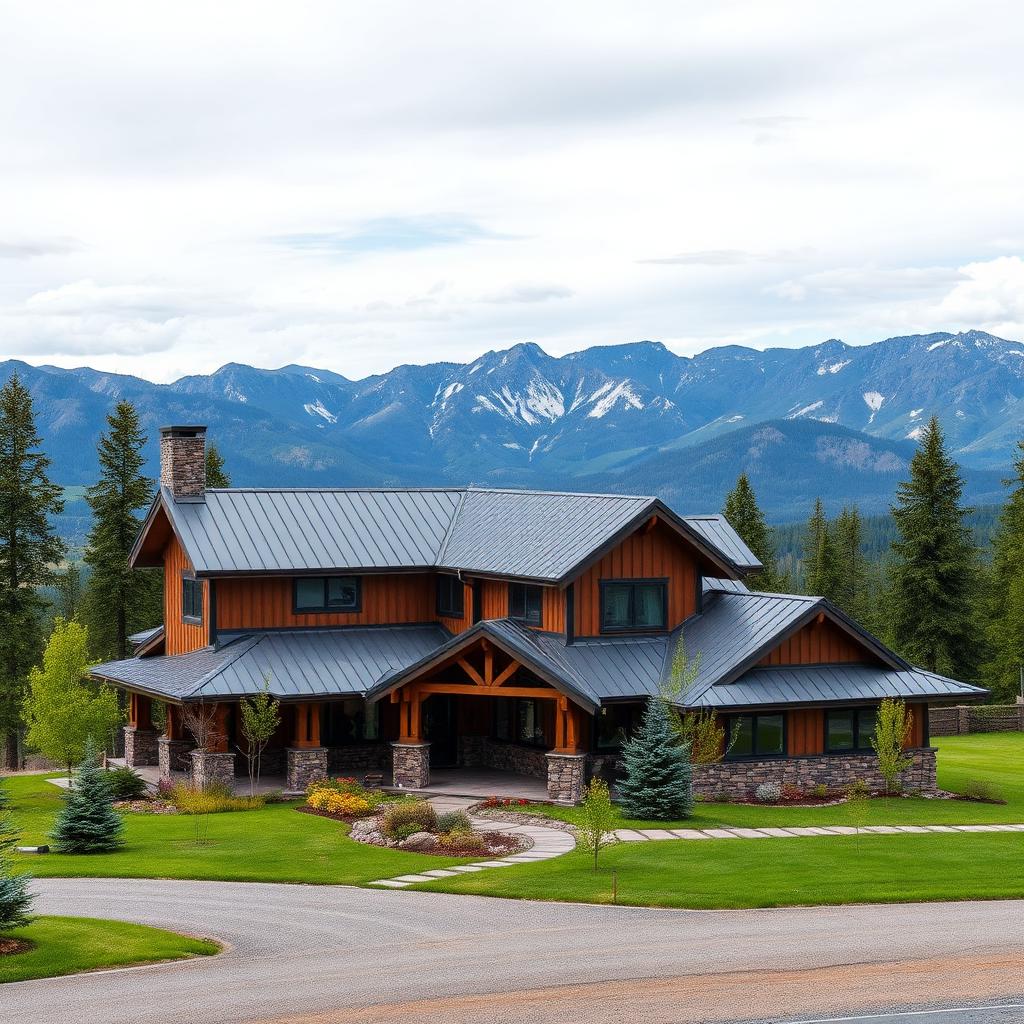
Idaho presents diverse roofing challenges from heavy mountain snow to high desert heat. Understanding these varied conditions helps homeowners protect their investments.
Idaho Climate Challenges
Mountain Snow: Northern and central Idaho receive heavy snowfall.
High Desert: Southern Idaho faces heat and minimal precipitation.
Temperature Extremes: Wide temperature swings stress materials.
Wind Events: High winds occur throughout the state.
Regional Variations
Mountain Areas: Heavy snow loads and ice dam potential.
Treasure Valley: Hot summers and moderate winters.
Panhandle: Pacific Northwest moisture influence.
Eastern Idaho: Cold winters and continental conditions.
Best Roofing Materials
Metal Roofing: Excellent for snow shedding and durability.
Architectural Shingles: Quality products perform well statewide.
Tile Roofing: Popular in Boise area for heat resistance.
Steep Pitch Designs: Help with snow management.
Snow Load Considerations
Structural Requirements: Roofs must handle snow weight.
Building Codes: Snow load requirements vary by area.
Metal Benefits: Snow slides off metal surfaces.
Ice Dam Prevention: Proper insulation and ventilation essential.
Desert Climate Factors
UV Exposure: Intense sun degrades materials faster.
Heat Resistance: Choose materials that handle heat.
Cool Roof Options: Reflective materials reduce cooling costs.
Low Humidity: Less organic growth concern.
Finding Idaho Contractors
State Registration: Idaho requires contractor registration.
Verification: Check with Division of Building Safety.
Local Experience: Choose contractors familiar with local conditions.
Mountain Expertise: Some areas require specialized knowledge.
Conclusion
Idaho roofing requirements vary significantly by region. Work with contractors who understand local conditions whether mountain or desert.
Ready to find qualified contractors? Search Idaho roofing professionals in your area.