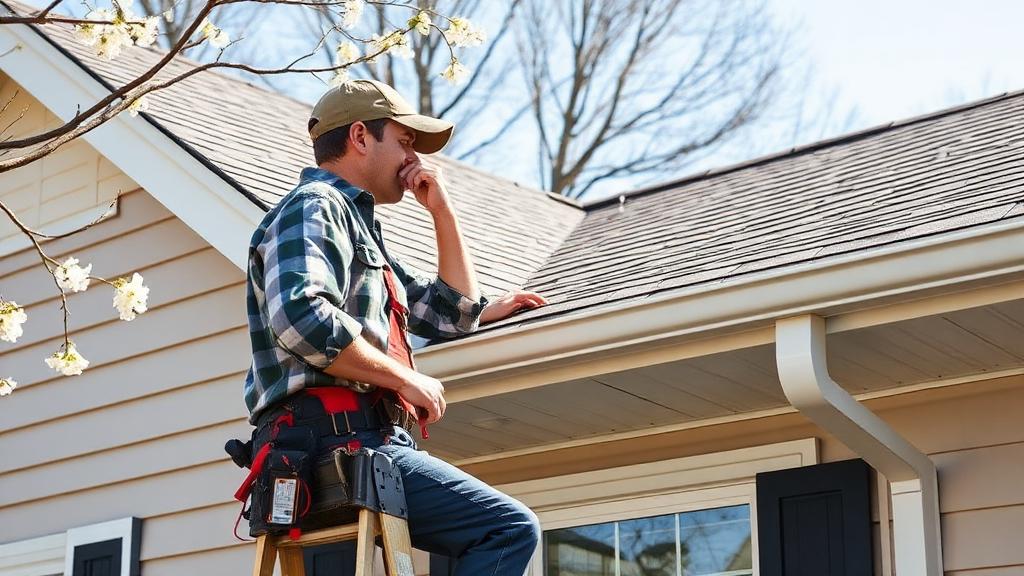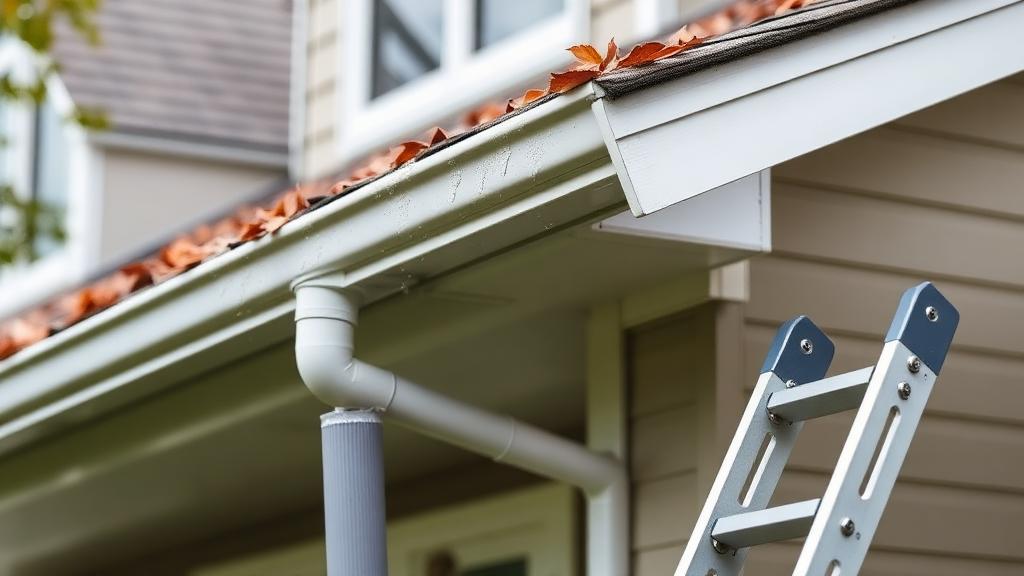
Idaho Winter Roofing: Snow Load and Ice Dam Prevention Guide
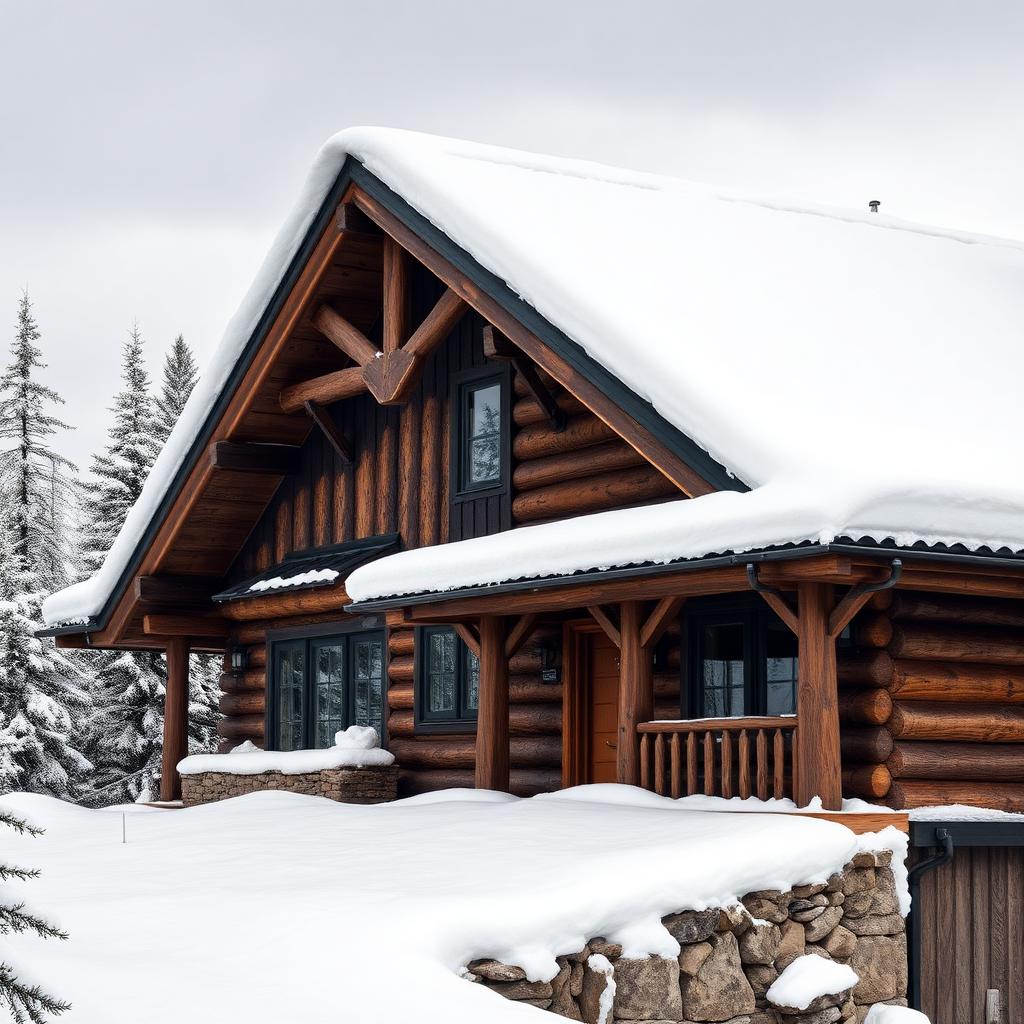
Idaho winters bring significant challenges for residential roofing, particularly in mountain areas. Understanding prevention and management strategies protects homes.
Winter Challenges
Heavy Snow: Mountain areas receive substantial snowfall.
Snow Load: Accumulated snow stresses roof structures.
Ice Dams: Freeze-thaw cycles create ice dam potential.
Cold Temperatures: Extended cold affects materials.
Snow Load Management
Code Requirements: Building codes specify snow load capacity.
Structural Design: Roofs designed for local conditions.
Monitoring: Watch accumulation during heavy storms.
Safe Removal: Know when professional removal needed.
Ice Dam Prevention
Insulation: Keep attic cold to prevent snow melt.
Ventilation: Balanced ventilation removes warm air.
Ice Shield: Extended ice and water barrier at eaves.
Air Sealing: Prevent warm air leakage.
Ice Dam Mechanics
Understanding how ice dams form:
Heat Escape: Warm attic melts snow.
Meltwater Flow: Water runs to cold eaves.
Freeze Formation: Water refreezes at eaves.
Backup: Ice dam forces water under shingles.
Prevention Strategies
Attic Insulation: Adequate R-value for climate zone.
Air Sealing: Seal penetrations and bypasses.
Ventilation Balance: Equal intake and exhaust.
Professional Assessment: Evaluate current conditions.
Emergency Response
When ice dams cause problems:
Interior Protection: Contain water damage.
Safe Access: Use professionals for steep roofs.
Gentle Removal: Avoid damaging shingles.
Root Cause: Address underlying problems.
Metal Roofing Benefits
Snow Shedding: Snow slides off metal surfaces.
Ice Dam Resistance: Less ice dam formation.
Durability: Handles Idaho winters well.
Snow Guards: Control snow release safely.
Conclusion
Idaho winter roofing requires proper design and maintenance. Address insulation and ventilation to prevent problems.
Need winter roofing help? Find Idaho contractors experienced with winter conditions.