
Kentucky Winter Roofing: Ice Dam Prevention and Cold Weather Protection
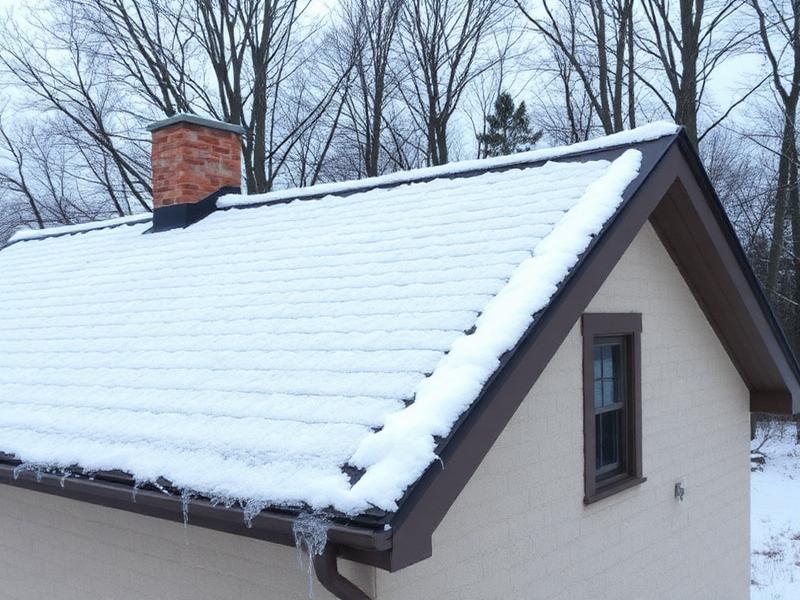
Kentucky winters bring ice storms, snow, and freeze-thaw cycles that challenge roofing systems. Proper preparation prevents costly winter damage.
Kentucky Winter Weather
Ice Storms: Significant ice accumulation events occur regularly.
Snow Loads: Moderate to heavy snow depending on region.
Freeze-Thaw Cycles: Daily temperature swings cause expansion and contraction.
Extended Cold: Weeks of below-freezing temperatures.
Ice Dam Formation
Ice dams form when heat escapes into the attic:
- Attic heat warms roof deck
- Snow melts and runs toward eaves
- Water refreezes at cold roof edge
- Ice builds up, water backs under shingles
- Interior water damage results
Prevention Strategies
Attic Insulation: R-38 to R-49 recommended for Kentucky.
Air Sealing: Seal all penetrations from living space.
Balanced Ventilation: Proper soffit-to-ridge airflow.
Ice and Water Shield: Extend 2-3 feet past exterior walls.
Snow Load Management
Know Capacity: Understand your roof structural limits.
Safe Removal: Use roof rake from ground when possible.
Professional Help: Call contractors for dangerous accumulations.
Monitor Stress: Watch for sagging or unusual sounds.
Winter Maintenance
Pre-Winter Inspection: Address issues before cold arrives.
Gutter Cleaning: Clear all debris before winter.
Attic Check: Inspect insulation and ventilation.
Emergency Kit: Have tarps and supplies ready.
Ice Storm Damage
After ice storms:
Wait for Melt: Do not climb icy roofs.
Inspect for Damage: Look for broken shingles, ice damage.
Document Issues: Photos for insurance if needed.
Professional Assessment: Get expert evaluation.
Emergency Repairs
If damage occurs:
Temporary Cover: Tarp exposed areas safely.
Interior Protection: Address any water intrusion.
Insurance Filing: Report damage promptly.
Avoid DIY: Icy roofs are extremely dangerous.
Conclusion
Kentucky winter roofing success requires preparation, proper insulation, and ventilation. Address issues before winter weather arrives.
Need winter expertise? Find Kentucky contractors experienced with cold weather challenges.