Long Island Storm and Hurricane Roof Preparation Guide
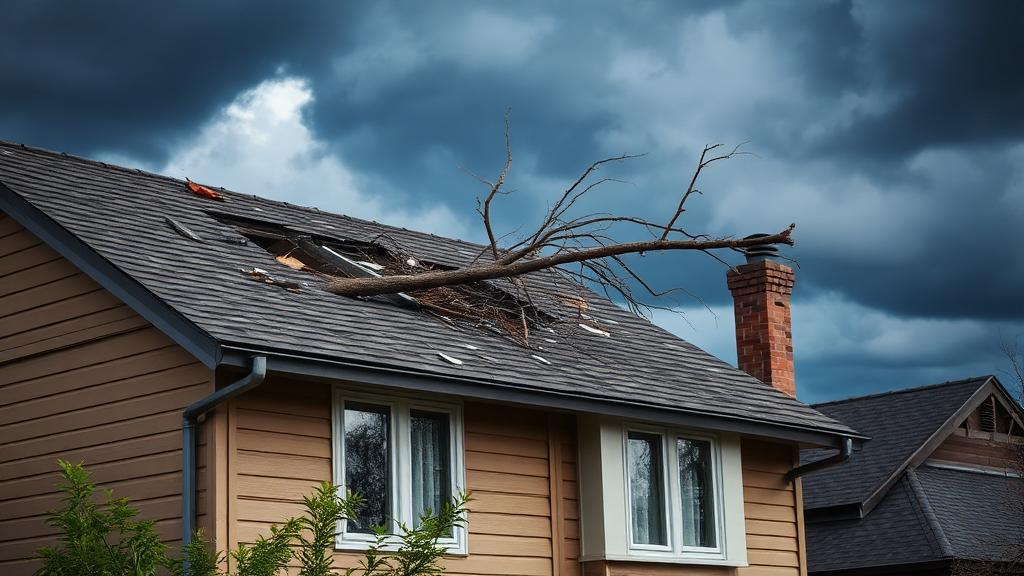
Long Island faces unique storm exposure from both Atlantic hurricanes and powerful noreasters. Homes from Montauk to the Queens border need roofing systems designed to withstand high winds, driving rain, and storm surge in coastal areas. This guide helps Long Island homeowners prepare their roofs for severe weather.
Understanding Long Island Storm Risks
Long Islands geography creates specific storm vulnerabilities that homeowners must address. Projecting into the Atlantic, the island intercepts coastal storms that might pass other areas.
Hurricane Exposure
While direct hurricane strikes are less frequent than in Florida, Long Island has experienced devastating storms. Hurricane Sandy in 2012 caused widespread roof damage across both Nassau and Suffolk Counties. Hurricane Irene in 2011 demonstrated vulnerability to storms tracking up the coast. Climate patterns suggest increasing storm intensity affecting the region.
Hurricane-force winds can occur even from storms not making direct landfall. Tropical storms tracking offshore can produce damaging winds across Long Island. Storm surge adds flooding risk for south shore communities.
Noreaster Impact
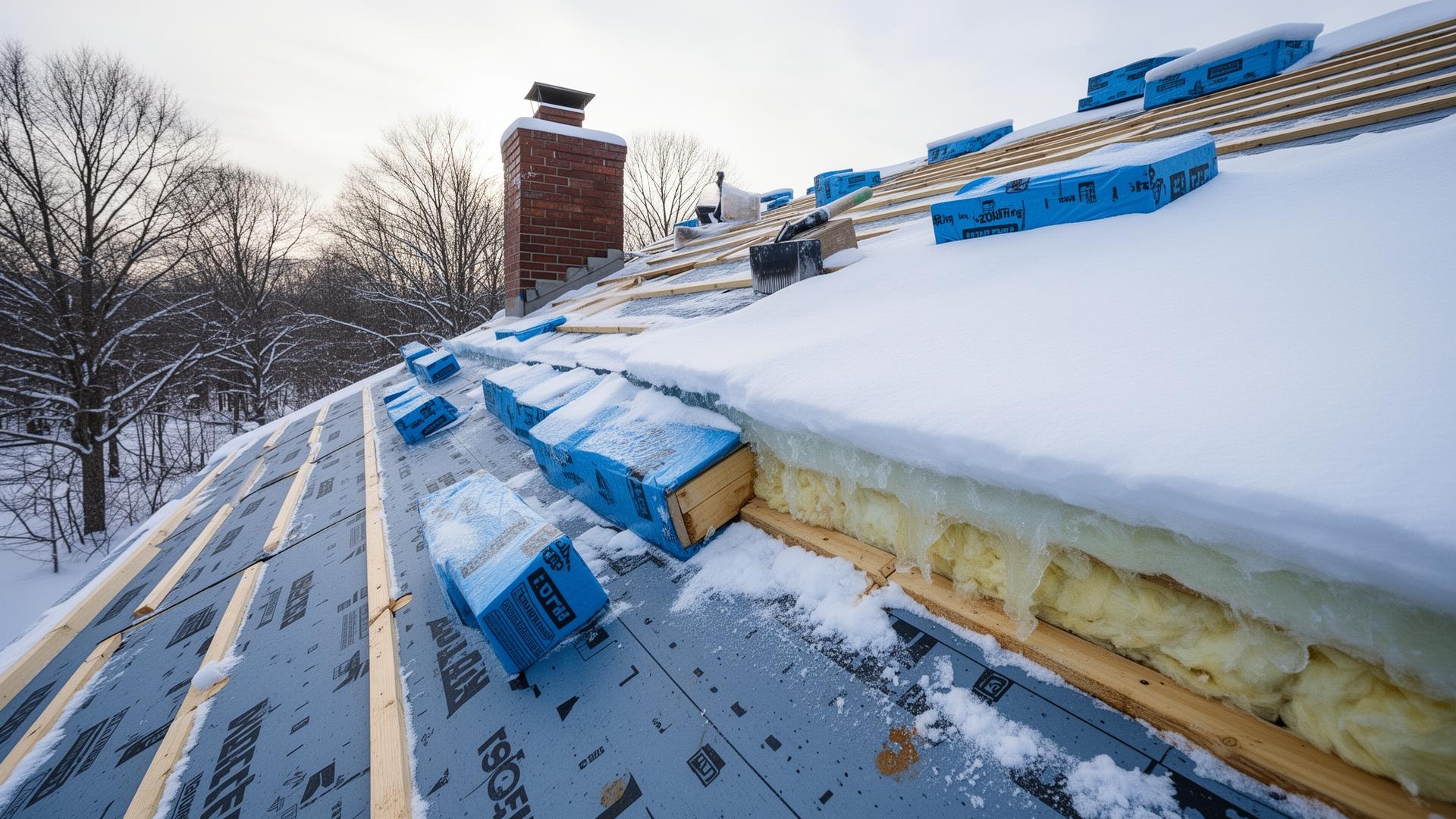
Noreasters often cause more cumulative roof damage than hurricanes over time. These winter storms bring sustained high winds lasting 12-24 hours or more. Heavy snow loads compound wind stress on roof structures. Repeated noreaster exposure fatigues roofing materials and fasteners.
The combination of wind, rain, and sometimes ice creates different challenges than tropical systems. Long Island roofing must address both storm types for comprehensive protection.
Pre-Storm Roof Assessment
Regular roof assessment identifies vulnerabilities before storms test your home. Annual inspections, ideally in spring, allow time for repairs before hurricane season.
Professional Inspection Elements
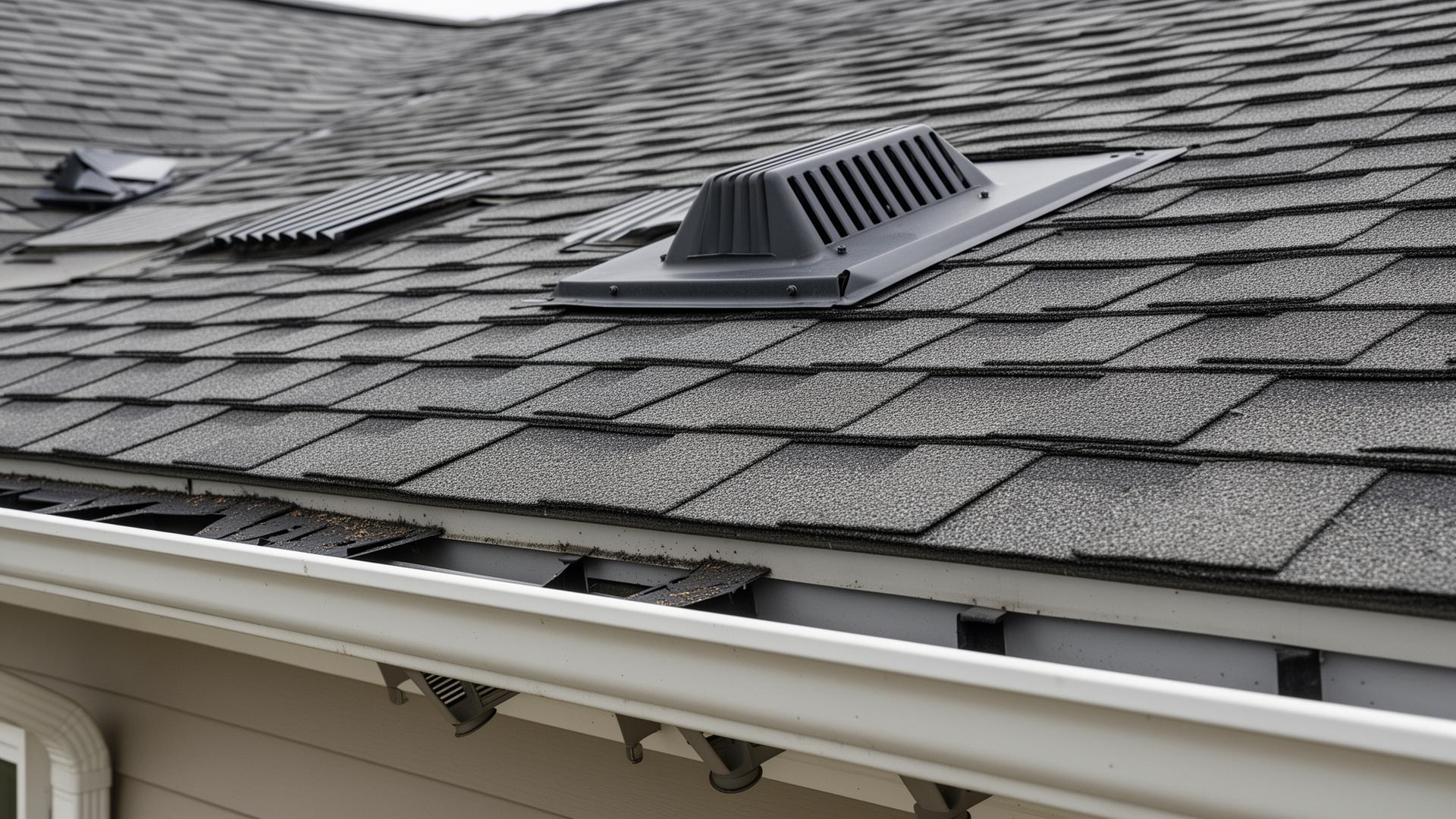
A thorough storm-readiness inspection examines multiple components. Shingle condition including secure fastening and intact seals. Flashing integrity around chimneys, vents, and roof edges. Gutter and drainage system function. Roof deck attachment to structural framing. Soffit and fascia security that can fail in high winds.
Document inspection findings with photographs and written reports. This documentation supports insurance claims if storm damage occurs. It also creates baseline conditions for comparison after storms.
DIY Warning Signs
Between professional inspections, watch for warning signs indicating storm vulnerability. Shingles lifting at edges suggest failed adhesive seals. Granule accumulation in gutters indicates aging shingles with reduced performance. Visible flashing gaps or rust spots create water entry points. Sagging roof lines suggest structural concerns requiring immediate attention.
Address warning signs promptly rather than waiting for storm damage to force repairs. Pre-storm repairs cost less and occur on your schedule rather than during contractor backlogs following storms.
Wind Resistance Improvements
Upgrading roof wind resistance provides long-term protection for Long Island homes. Several improvement options suit different budgets and roof conditions.
High-Wind Shingles
Modern high-wind rated shingles significantly outperform standard products. Look for shingles rated for 130 mph or higher wind speeds. Many manufacturers now offer enhanced adhesive strips that resist wind uplift. Impact-resistant ratings provide additional protection from wind-blown debris.
When reroofing, upgrading to high-wind products adds minimal cost compared to storm damage risk reduction. Insurance discounts for wind-resistant roofing may offset upgrade costs over time.
Roof Deck Attachment
The connection between roof deck and structure often fails before shingles during extreme winds. Ring-shank nails provide better withdrawal resistance than smooth nails. Structural adhesive between deck and rafters adds significant strength. Hurricane clips connecting roof framing to walls prevent entire roof loss.
Deck and structural improvements typically occur during reroofing when the deck is accessible. New construction should always include enhanced connections. Retrofitting existing homes requires more extensive work but may be worthwhile for high-exposure locations.
Edge and Ridge Reinforcement
Roof edges and ridges experience highest wind loads and fail first in many storms. Enhanced starter strips with aggressive adhesive protect eaves. Hip and ridge caps with high-wind ratings resist common failure points. Metal drip edge properly installed prevents wind-driven water infiltration.
Edge improvements can often be made independent of full reroofing. These upgrades provide meaningful protection for modest investment.
Emergency Preparation
Pre-storm preparation and emergency supplies minimize damage when storms threaten. Advance planning enables rapid response as storms approach.
Emergency Material Kit
Maintain supplies for temporary roof protection in case of damage. Heavy-duty tarps in sizes appropriate for your roof. Lengths of 2x4 lumber for tarp weighting. Rope or strapping for tarp securement. Roofing cement for emergency flashing repairs. Safety equipment including gloves and non-slip footwear.
Store materials in accessible location before storm season. Tarps and lumber sell out quickly when storms approach. Having materials on hand enables rapid response after storm passage.
Pre-Storm Actions
As specific storms threaten, take targeted protective actions. Remove loose items from yard that could become projectiles. Trim dead branches that could fall on roof. Photograph roof condition for insurance documentation. Clear gutters and drains to handle storm water. Review insurance policy to confirm coverage and deductibles.
Make repairs you have been postponing before storms arrive. Minor vulnerabilities become major damage points during severe weather.
Post-Storm Assessment
After storms pass, systematic assessment identifies damage requiring repair. Acting quickly prevents secondary damage from exposed areas.
Safety First
Never access a damaged roof until confirmed safe. Downed power lines create electrocution hazards. Structural damage may make roofs unstable. Wet surfaces increase fall risk. Wait for professional assessment if any doubt exists about safety.
Document damage from the ground using binoculars and cameras with zoom capability. Professional inspectors have equipment and training for safe roof access.
Damage Documentation
Thorough documentation supports insurance claims and contractor estimates. Photograph all visible damage from multiple angles. Note the date and time of photographs. Document temporary repairs you make to prevent further damage. Keep receipts for emergency materials and repairs.
Contact your insurance company promptly to report damage. Many policies have time limits for damage reporting. Delayed reporting can result in claim denial.
Contractor Selection After Storms
Storm chasers and unlicensed contractors appear after major storms seeking roofing work. Protect yourself by verifying credentials carefully. Confirm Nassau or Suffolk County contractor registration. Verify insurance coverage directly with insurance companies. Avoid contractors demanding large deposits or offering unusually low prices. Get estimates in writing before authorizing any work.
Reputable local contractors may have waiting lists after major storms. Patience with established contractors provides better outcomes than speed with unknown operators.
Insurance Considerations
Long Island homeowners face specific insurance requirements and considerations for storm protection.
Wind and Named Storm Deductibles
Many Long Island policies include separate deductibles for wind or named storm damage. These deductibles are typically percentage-based rather than flat amounts. A 2% hurricane deductible on a $500,000 home means $10,000 out-of-pocket before coverage. Understand your deductible structure before storm season.
Higher wind deductibles reduce premiums but increase out-of-pocket exposure. Balance savings against risk tolerance for your specific situation.
Mitigation Credits
Insurance companies offer premium discounts for wind-resistant roofing features. High-wind rated shingles may qualify for credits. Hurricane clips and enhanced deck attachment provide additional discounts. Impact-resistant roofing qualifies for meaningful premium reductions.
Request wind mitigation inspection to document qualifying features. Savings accumulate over years of policy renewals, often recovering improvement costs.
Conclusion
Long Island storm preparation requires understanding both tropical and winter storm risks. Invest in wind-resistant roofing improvements that provide decades of enhanced protection. Maintain emergency supplies and develop response plans before storms threaten. Work with established local contractors who understand Long Island conditions and will remain in the community after storm response.
Find qualified Long Island roofing contractors experienced with storm-resistant installations. Browse our Nassau County directory or Suffolk County contractors for verified professionals.