Louisiana Residential Roofing: Complete Guide for Pelican State Homeowners
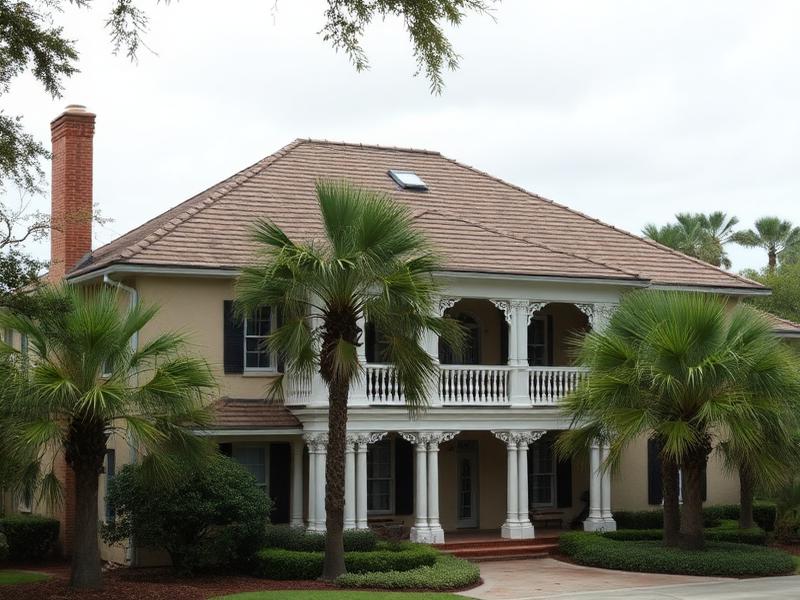
Louisiana presents unique roofing challenges with its Gulf Coast hurricanes, extreme humidity, and subtropical climate. Understanding these factors helps homeowners make informed roofing decisions.
Louisiana Climate Challenges
Hurricane Exposure: Louisiana faces significant hurricane risk from the Gulf of Mexico. Roofing systems must withstand high winds, driving rain, and potential debris impacts.
Extreme Humidity: Year-round humidity levels averaging 75-85% create conditions for algae, moss, and mold growth on roofing materials.
Heavy Rainfall: Louisiana receives 60+ inches of rain annually, requiring excellent drainage and waterproofing.
Intense Heat: Summer temperatures regularly exceed 95°F with high heat index values.
Popular Roofing Materials
Architectural Shingles: Most common choice. Look for algae-resistant varieties with Class 4 impact ratings.
Metal Roofing: Excellent wind resistance and longevity. Standing seam systems rated for 150+ mph winds.
Clay and Concrete Tiles: Traditional in New Orleans French Quarter. Hurricane clips required.
Slate: Premium option for historic districts. Exceptional longevity but requires structural support.
Hurricane Preparation
Wind Ratings: Choose materials rated for local wind speeds (typically 130-150 mph for coastal areas).
Installation Standards: Follow FORTIFIED Home standards for enhanced protection.
Roof-to-Wall Connections: Hurricane straps and clips prevent roof uplift.
Sealed Roof Deck: Secondary water barriers protect if shingles blow off.
Humidity and Moisture Management
Ventilation: Proper attic ventilation prevents moisture buildup and reduces cooling costs.
Algae-Resistant Shingles: Copper or zinc granules prevent black streaking.
Underlayment: Synthetic underlayments resist moisture better than felt.
Regular Cleaning: Annual cleaning prevents organic growth accumulation.
Choosing Louisiana Contractors
LSLBC License: Verify Louisiana State Licensing Board for Contractors license.
Hurricane Experience: Choose contractors with post-hurricane repair experience.
Insurance Knowledge: Contractors should understand Louisiana insurance claims.
Local References: Check references from similar Louisiana properties.
Conclusion
Louisiana roofing requires materials and installation practices designed for hurricanes, humidity, and heat. Work with experienced local contractors.
Ready to find qualified contractors? Search Louisiana roofing professionals in your area.