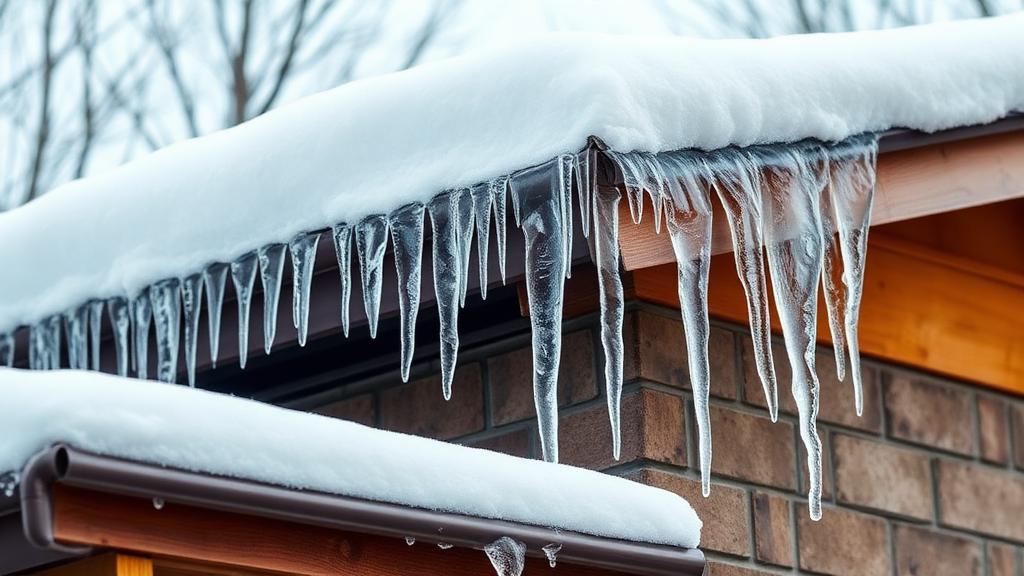
Maine Winter Roofing: Ice Dam Prevention and Snow Load Guide
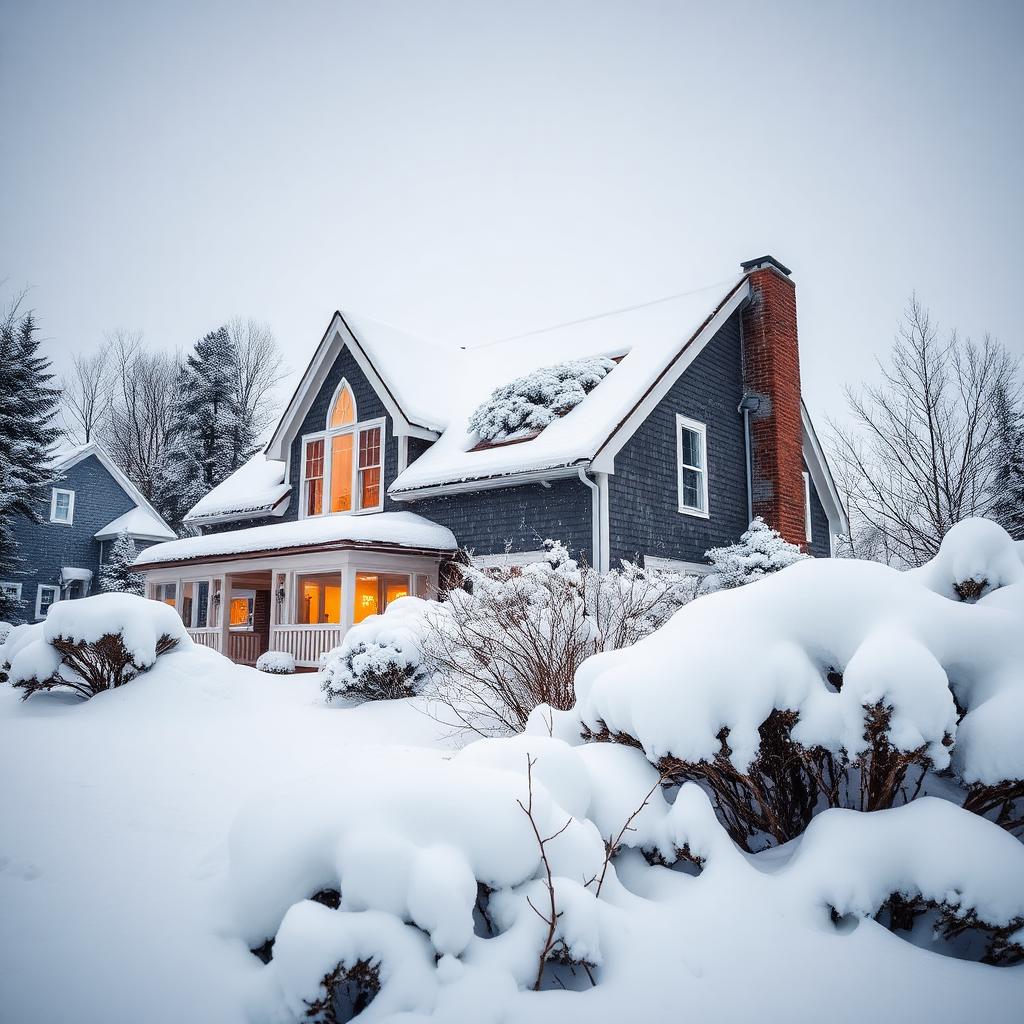
Maine winters demand proper roof preparation. Understanding ice dam prevention and snow management protects homes from damage.
Maine Winter Severity
Heavy Snow: 60-100+ inches annually in many areas.
Extended Cold: Months of below-freezing temperatures.
Ice Formation: Persistent freeze-thaw conditions.
Storm Frequency: Multiple major storms yearly.
Ice Dam Mechanics
How ice dams form:
Heat Escape: Warm attic melts snow.
Meltwater Flow: Water runs to cold eaves.
Refreezing: Water freezes at eave edge.
Backup: Ice forces water under shingles.
Prevention Strategies
Attic Insulation: R-60 recommended for Maine.
Air Sealing: Critical for preventing heat loss.
Ventilation: Balanced intake and exhaust.
Ice Shield: 6+ feet from eave edge.
Insulation Guidelines
Maine Zone 6-7 requirements:
Attic Floor: R-49 to R-60 minimum.
Cathedral Ceilings: R-38 to R-49.
Walls: R-20 to R-25.
Continuous Barrier: No gaps or voids.
Ventilation Systems
Ridge Vents: Continuous exhaust.
Soffit Vents: Adequate intake.
Balanced Ratio: 1:1 intake to exhaust.
Baffles: Maintain airflow at eaves.
Snow Load Management
Building Codes: Designed for local loads.
Monitoring: Watch accumulation levels.
Professional Removal: When needed safely.
Structural Signs: Know warning indicators.
Metal Roofing Benefits
Snow Shedding: Snow slides off naturally.
Ice Dam Resistance: Less ice formation.
Durability: Handles Maine winters.
Snow Guards: Control release safely.
Conclusion
Maine winter protection requires comprehensive approach. Address insulation, ventilation, and materials for best results.
Need winter roofing help? Find Maine contractors experienced with harsh winters.