Maryland Humidity and Roofing: Managing Moisture in the Old Line State
Maryland humid subtropical climate creates unique roofing challenges. Understanding moisture management helps homeowners maintain their roofs and prevent damage.
Maryland Humidity Challenges
Hot, Humid Summers: High temperatures combined with humidity promote algae growth and stress ventilation systems.
Chesapeake Bay Influence: Proximity to water increases humidity levels across much of the state.
Condensation Risk: Temperature differences between conditioned spaces and attics can cause moisture problems.
Algae and Mold Prevention
Algae-Resistant Shingles: Copper or zinc granules inhibit algae growth. Standard choice for Maryland installations.
Zinc Strips: Metal strips near ridges release growth-inhibiting ions during rain.
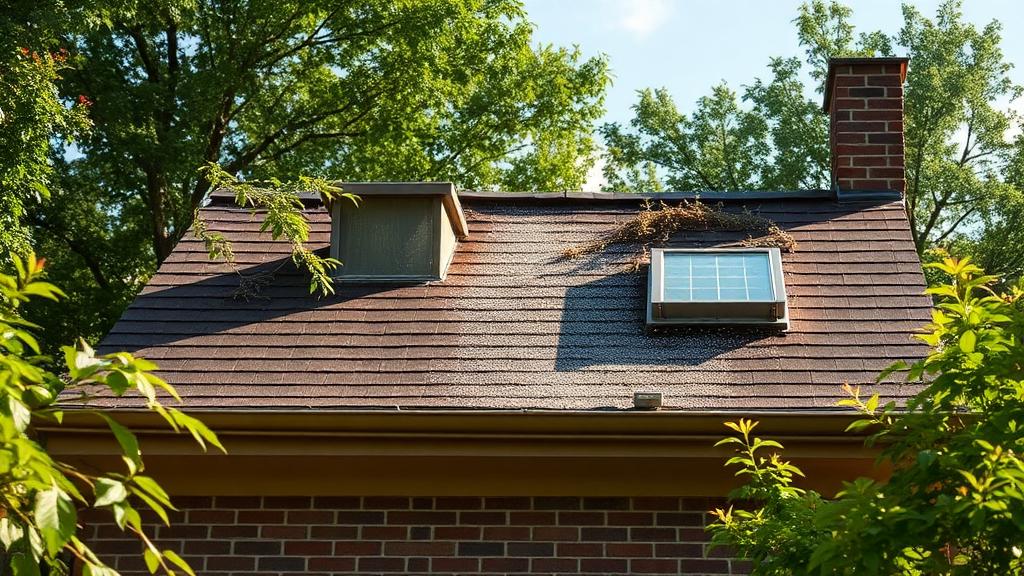
Tree Management: Maintain clearance between trees and roof to reduce shade and debris.
Regular Inspection: Monitor for growth and address promptly.
Ventilation Importance
Moisture Removal: Proper ventilation removes humid air from attic spaces.
Heat Reduction: Summer ventilation reduces extreme attic temperatures.
Balanced Airflow: Soffit intake and ridge exhaust create proper airflow pattern.
Verify Function: Ensure vents are not blocked by insulation or debris.
Insulation and Air Sealing
Prevent Moisture Migration: Air sealing stops humid indoor air from entering attic.
Proper Insulation: Adequate insulation reduces condensation-causing temperature differences.
Bathroom Vents: Ensure exhaust fans vent to exterior, not into attic.
Material Considerations
Algae Resistance: Essential for Maryland conditions.
Quality Underlayment: Synthetic underlayments resist moisture better than felt.
Proper Flashing: Quality flashing prevents water infiltration at vulnerable points.
Conclusion
Maryland humidity requires attention to ventilation, material selection, and moisture management for roof longevity.
Need humidity-related roof assessment? Find Maryland roofing contractors experienced with moisture management.