Massachusetts Winter Roofing: Ice Dams, Snow Loads, and Cold Weather Care
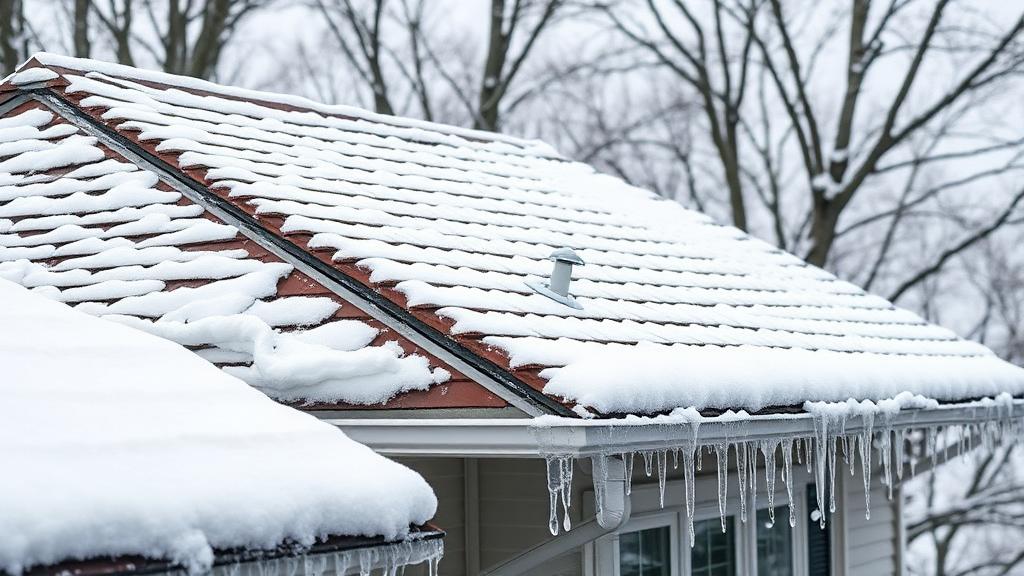
Massachusetts winters challenge roofing systems with heavy snow, ice dams, and freeze-thaw cycles. Understanding winter roofing issues helps homeowners prevent damage and protect their investment.
Understanding Ice Dams
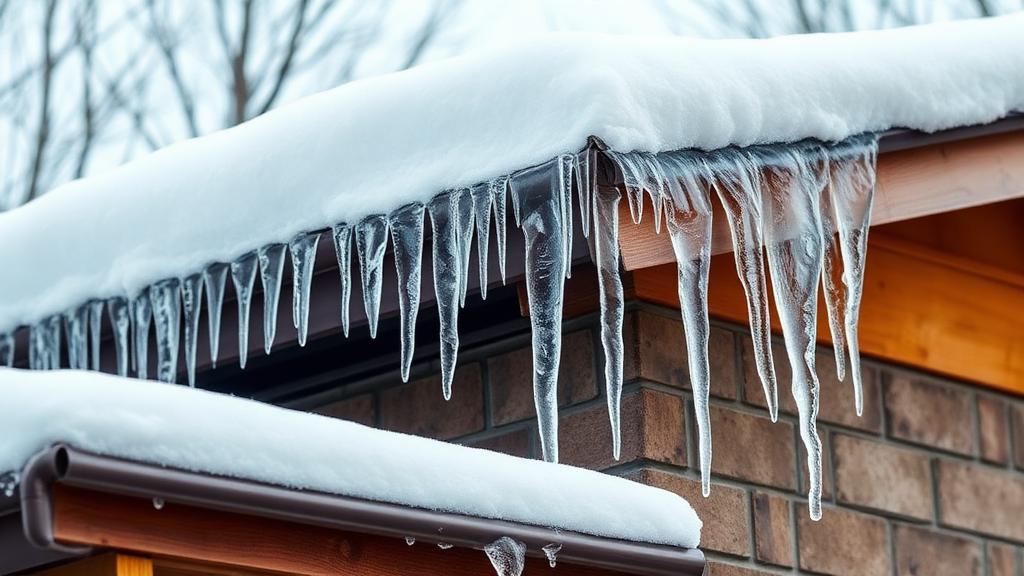
Ice dams form when snow melts on warm roof sections, runs down to cold eaves, and refreezes. The resulting ice ridge prevents drainage, forcing water under shingles.
Formation Process: 1. Heat escapes through inadequately insulated roof 2. Snow melts on warm areas 3. Meltwater runs to cold eaves 4. Water refreezes creating ice dam 5. Pooled water penetrates roofing
Damage Caused: Interior water stains, damaged insulation, mold growth, rotted sheathing, and deteriorated shingles.
Ice Dam Prevention
Improve Insulation: Proper attic insulation prevents heat from reaching the roof deck. R-49 to R-60 is recommended for Massachusetts homes. Pay special attention to areas around light fixtures, attic hatches, and ductwork.
Enhance Ventilation: Balanced attic ventilation maintains cold roof temperatures. Continuous soffit vents with ridge venting provide optimal airflow. Verify vents are not blocked by insulation.
Seal Air Leaks: Warm air infiltration contributes significantly to ice dams. Seal around pipes, wires, recessed lights, and attic access points.
Ice and Water Shield: This membrane protects vulnerable areas when ice dams occur. Massachusetts code requires protection extending 24 inches beyond interior wall lines.
Managing Snow Loads
Know Your Capacity: Massachusetts building codes specify ground snow loads by region, ranging from 35 to over 80 pounds per square foot. Older homes may have lower capacities.
When to Remove Snow: If accumulation approaches design capacity or exceeds 2-3 feet of heavy snow, consider removal. Warning signs include doors not closing, interior cracking, and visible sagging.
Safe Removal Methods: Roof rakes allow ground-level snow removal from lower roof sections. For complete removal or steep roofs, hire professionals with proper safety equipment.
Winter Emergency Response
Ice Dam Damage: If water enters through ice dams, document damage for insurance and address moisture promptly to prevent mold. Professional ice dam removal can prevent further infiltration.
Storm Damage: Nor'easters cause wind damage and heavy snow simultaneously. Document damage and make temporary repairs to prevent further problems.
Spring Assessment
After winter, inspect for damage:
- Missing or damaged shingles
- Flashing problems
- Gutter damage
- Ice dam staining
- Attic moisture signs
Address issues promptly before spring rains.
Conclusion
Massachusetts winters demand proactive roof protection. Prevention through proper insulation and ventilation is more effective and economical than reactive repairs.
Need winter roof assessment? Find Massachusetts roofing contractors experienced with ice dam prevention.