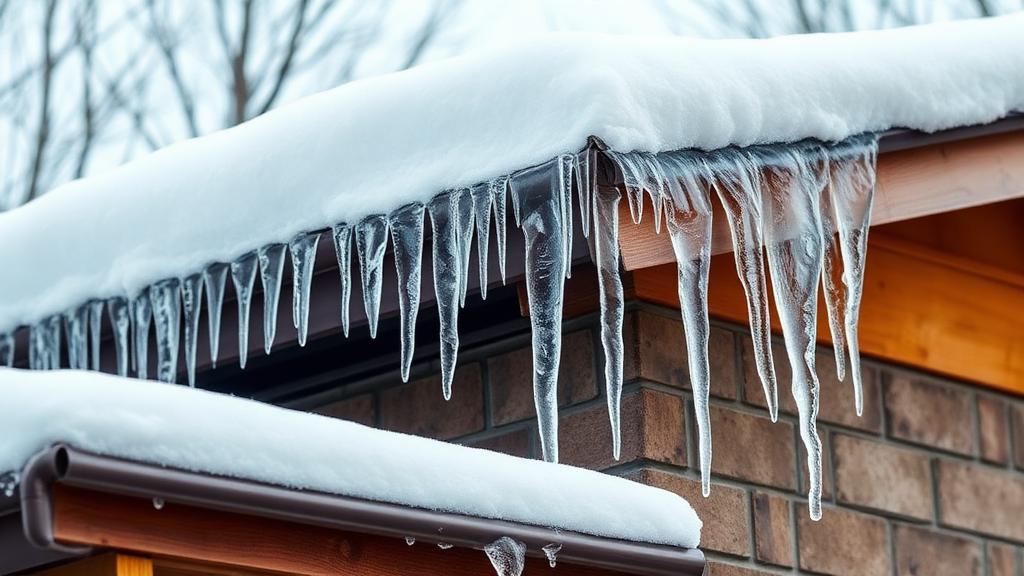
New Hampshire Ice Dam Prevention: Winter Roofing Protection Guide
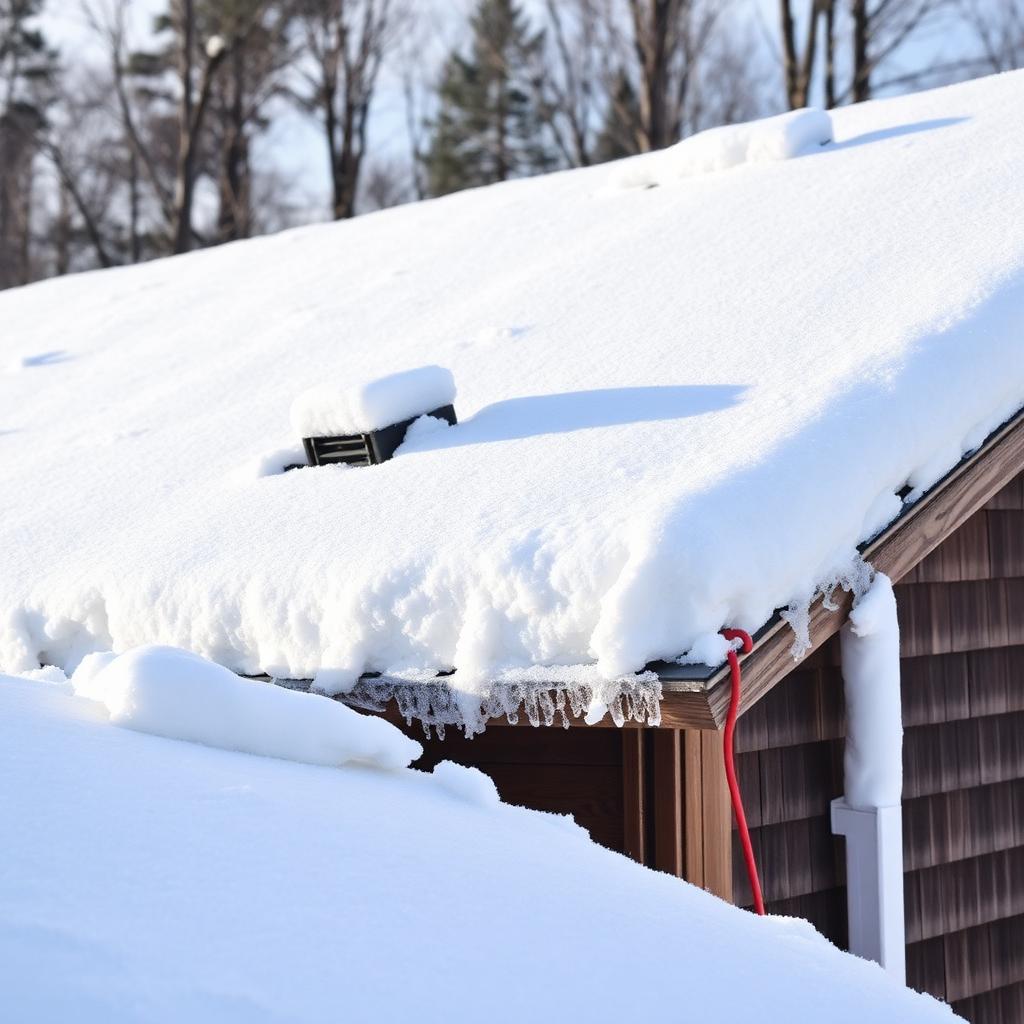
Ice dams pose significant risks to New Hampshire homes during harsh winters. Understanding prevention and treatment protects your investment.
How Ice Dams Form
Heat Escape: Warm attic air melts roof snow.
Meltwater Flow: Water runs toward cold eaves.
Refreezing: Ice builds at unheated overhang.
Backup: Ice forces water under shingles.
New Hampshire Winter Reality
Snow Depth: 60-100+ inches in mountain areas.
Extended Cold: Months of freezing temperatures.
Variable Weather: Rapid temperature changes.
Regional Differences: Mountains vs. seacoast.
Prevention Strategies
Attic Insulation: R-49 to R-60 recommended.
Air Sealing: Critical for heat retention.
Ventilation: Balanced soffit and ridge vents.
Ice and Water Shield: 6+ feet from eaves.
Insulation Requirements
New Hampshire Climate Zone 5/6:
Attic Floor: R-49 to R-60 minimum.
Cathedral Ceilings: R-38 to R-49.
Air Barrier: Essential for performance.
Vapor Retarder: Proper placement critical.
Ventilation Systems
Soffit Vents: Intake at eaves.
Ridge Vents: Exhaust at peak.
Balance: 1:150 ratio vent area to attic floor.
Baffles: Keep insulation from blocking airflow.
Emergency Response
When ice dams occur:
Interior Protection: Catch water, prevent damage.
Professional Removal: Avoid damaging roof.
Heat Cables: Temporary relief only.
Root Cause: Address insulation and ventilation.
Conclusion
New Hampshire ice dam prevention requires comprehensive approach. Address insulation, air sealing, and ventilation before winter.
Need winter roofing help? Find New Hampshire contractors experienced with ice dam prevention.