New Jersey Residential Roofing: Garden State Homeowner Guide for 2026
New Jersey homeowners face diverse roofing challenges from coastal nor'easters to inland snow accumulation and summer heat. Understanding these regional factors helps you make informed decisions about roof materials, maintenance, and contractor selection.
New Jersey Climate Challenges
New Jersey experiences four distinct seasons with varying roofing impacts:
Winter Weather: Average snowfall ranges from 10 inches at the shore to 40+ inches in northern counties. Ice dams form in colder regions. Freeze-thaw cycles stress materials.
Coastal Storms: Nor'easters and occasional hurricanes impact shore communities. High winds, salt spray, and flooding challenge roofing systems.
Summer Heat: High temperatures and humidity stress roofing materials and increase cooling loads. Proper ventilation becomes essential.
Seasonal Extremes: Temperature swings between seasons cause material expansion and contraction.
Regional Considerations
Shore Communities: Salt air accelerates corrosion on metal components. Wind ratings matter for exposed locations. Consider impact resistance for wind-borne debris.
Northern Counties: Heavy snow loads require adequate structural capacity. Ice dam prevention through insulation and ventilation is important.
Central Jersey: Moderate conditions allow widest material choices. Balance performance with budget considerations.
Best Materials for New Jersey
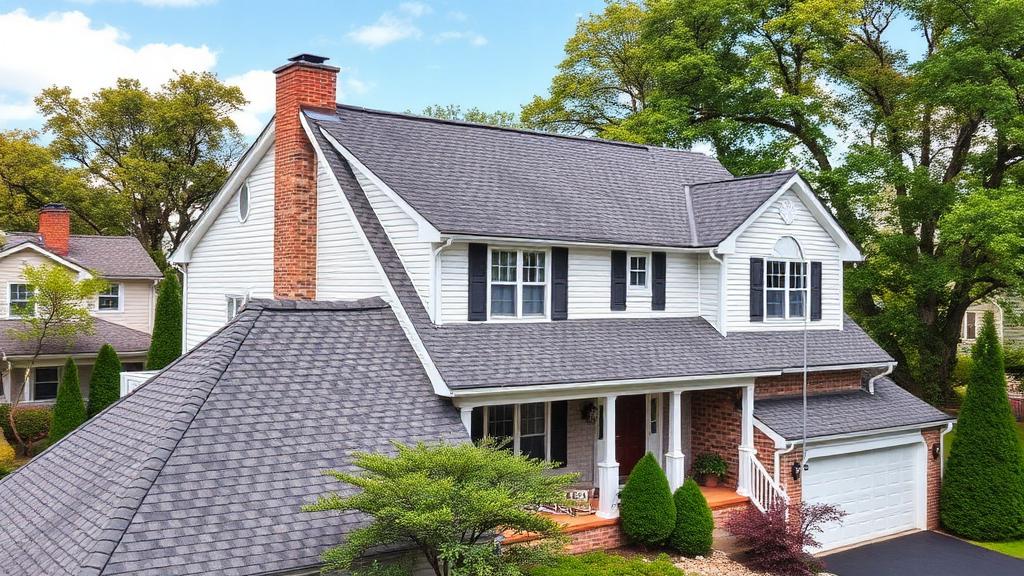
Architectural Shingles: The most popular residential choice. Select impact-resistant varieties in hail-prone areas. Algae-resistant options help humid environments.
Metal Roofing: Excellent longevity and storm resistance. Standing seam handles snow well. Choose aluminum for coastal areas to resist salt corrosion.
Slate and Tile: Traditional in historic areas. Excellent longevity but requires sturdy structure.
Synthetic Options: Composite materials provide traditional appearance with modern performance.
Wind Resistance
New Jersey experiences significant wind events:
Ratings: Choose shingles rated for local wind speeds. Shore areas may require higher ratings.
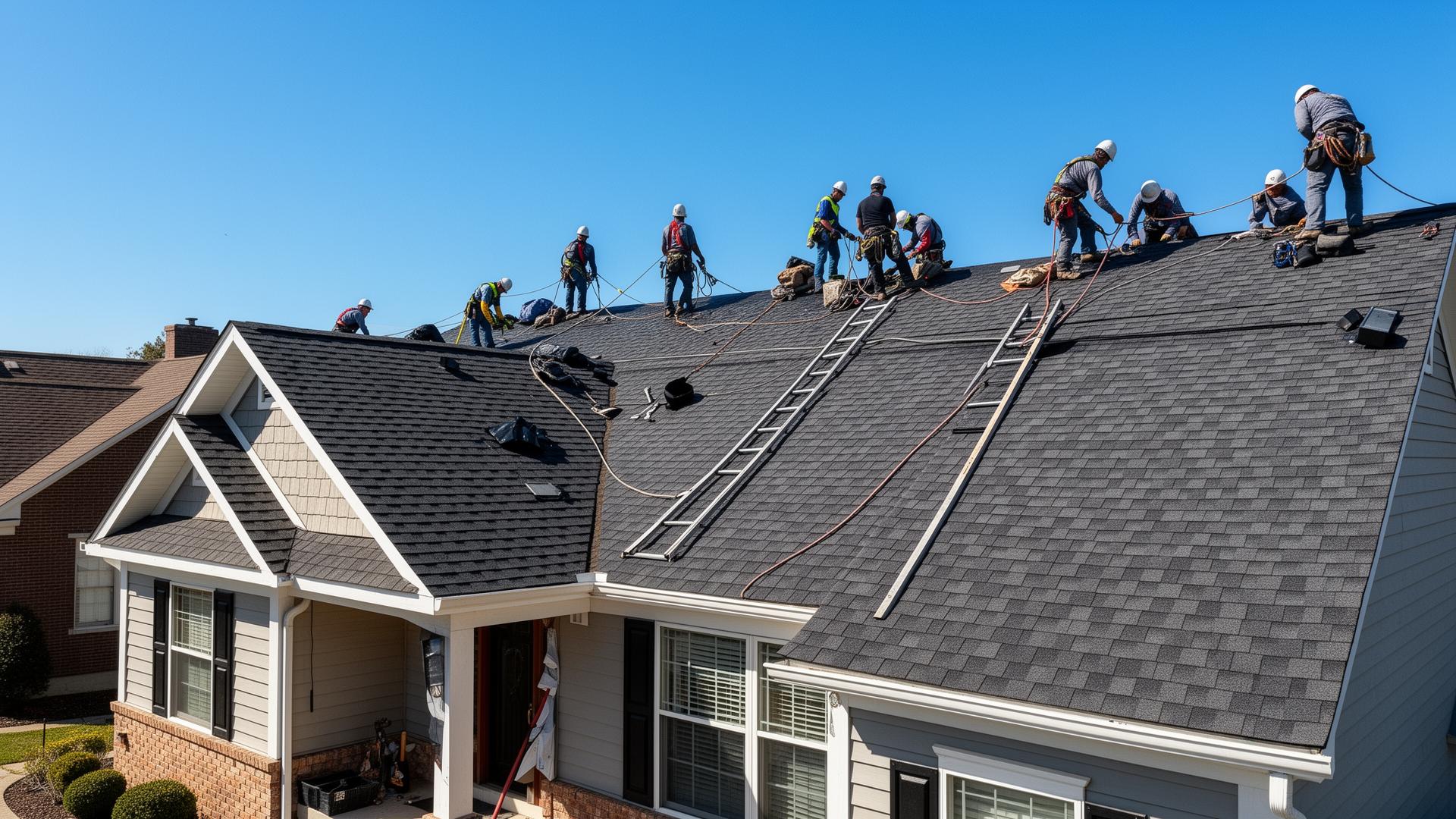
Installation: Proper nailing patterns and starter courses improve wind resistance regardless of material rating.
Uplift Protection: Enhanced edge details and proper underlayment attachment resist wind uplift.
Finding New Jersey Contractors
New Jersey requires Home Improvement Contractor (HIC) registration:
- Valid HIC registration number
- Liability and workers compensation insurance
- Compliance with Consumer Fraud Act
- Written contracts as required
Conclusion
New Jersey roofing requires attention to regional conditions from coastal exposure to winter weather. Work with HIC registered contractors who understand local challenges.
Ready to find New Jersey roofing professionals? Search our verified contractor directory for qualified roofers in your area.