New Jersey Winter Roofing: Snow, Ice Dams, and Cold Weather Care
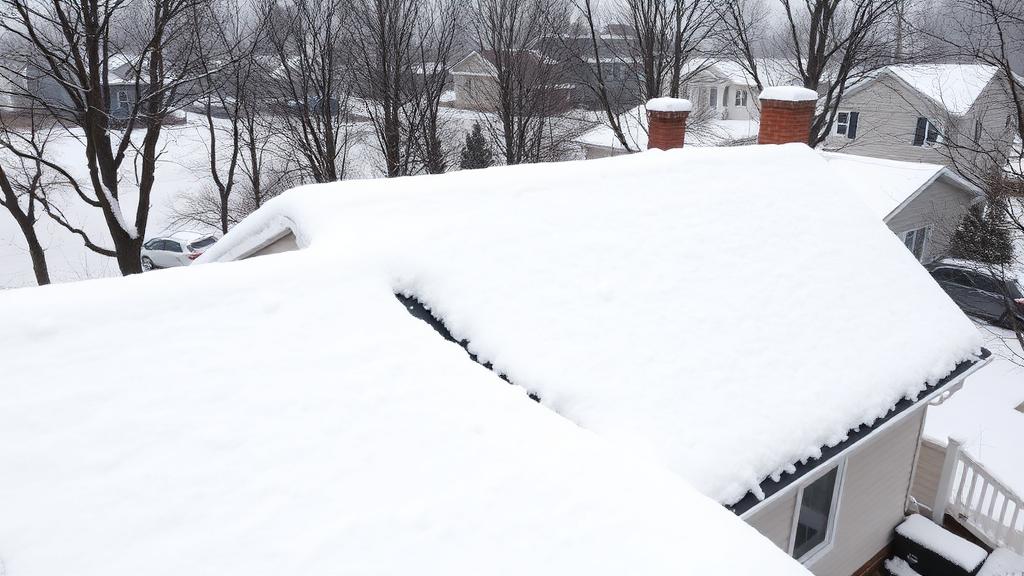
Northern New Jersey experiences significant winter weather including heavy snowfall and conditions promoting ice dam formation. Understanding winter roofing challenges helps homeowners protect their properties.
New Jersey Winter Conditions
Regional Variation: Annual snowfall varies dramatically across New Jersey. Sussex County averages 40+ inches while Cape May sees only 10-15 inches.
Ice Dam Risk: Northern and elevated areas experience conditions that promote ice dam formation, especially during temperature fluctuations.
Freeze-Thaw Cycles: New Jersey winters bring repeated freeze-thaw cycles that stress roofing materials and can cause damage.
Understanding Ice Dams
Ice dams form when heat escapes through the roof, melting snow that refreezes at cold eaves:
Formation Process: 1. Heat loss warms roof deck 2. Snow melts on warm sections 3. Meltwater runs to cold eaves 4. Water refreezes creating ice dam 5. Pooled water penetrates roofing
Resulting Damage: Interior water stains, wet insulation, mold growth, and shingle damage.
Ice Dam Prevention
Improve Insulation: Adequate attic insulation prevents heat from reaching the roof deck. R-49 is recommended for New Jersey homes.
Balance Ventilation: Proper soffit and ridge ventilation maintains cold roof temperatures. Verify vents are not blocked by insulation.
Seal Air Leaks: Warm air infiltration from living spaces contributes to ice dams. Seal around pipes, wires, and access points.
Ice and Water Shield: Membrane protection in vulnerable areas prevents infiltration when ice dams occur. New Jersey code typically requires protection at eaves and valleys.
Snow Load Management
Know Capacity: New Jersey ground snow loads range from 20-35 pounds per square foot depending on location. Verify your roof can handle expected accumulations.
When to Remove: If accumulation exceeds 2-3 feet of heavy snow or if warning signs appear (sticking doors, cracking sounds, visible sagging), consider removal.
Safe Methods: Roof rakes allow ground-level removal from lower sections. Professional snow removal is recommended for complete clearing or steep roofs.
Winter Maintenance Tips
Pre-Winter Inspection: Address any damage before winter weather. Loose shingles and damaged flashing worsen with freeze-thaw cycles.
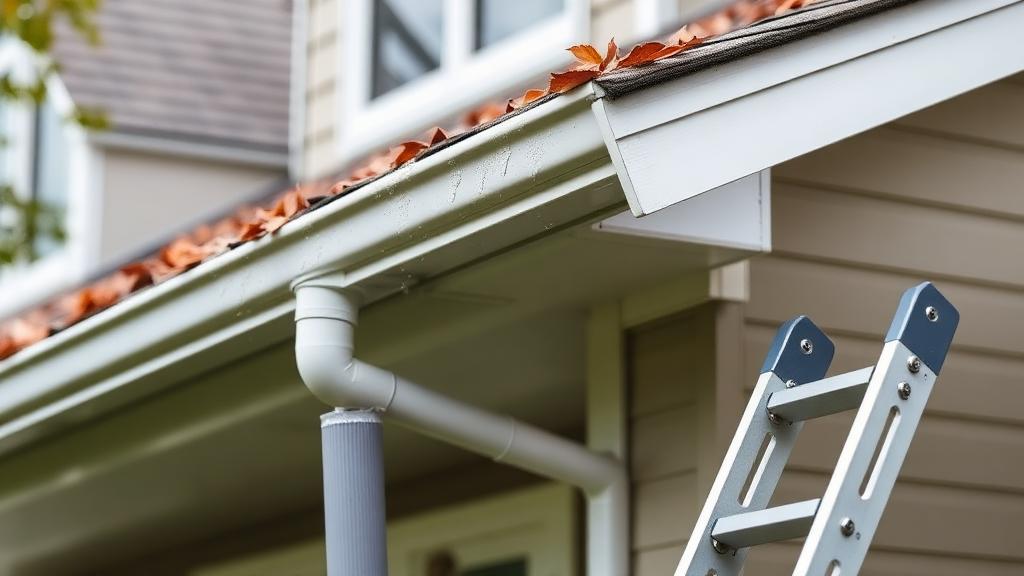
Gutter Preparation: Clean gutters thoroughly. Ensure they are securely attached and properly pitched.
Attic Check: Verify insulation is adequate and ventilation is clear. These are your primary ice dam defenses.
Conclusion
New Jersey winter roofing requires attention to insulation, ventilation, and ice dam prevention. Prepare before winter for best protection.
Need winter roof assessment? Find New Jersey roofing contractors experienced with cold weather challenges.