Green and Sustainable Roofing Options for New York Homeowners
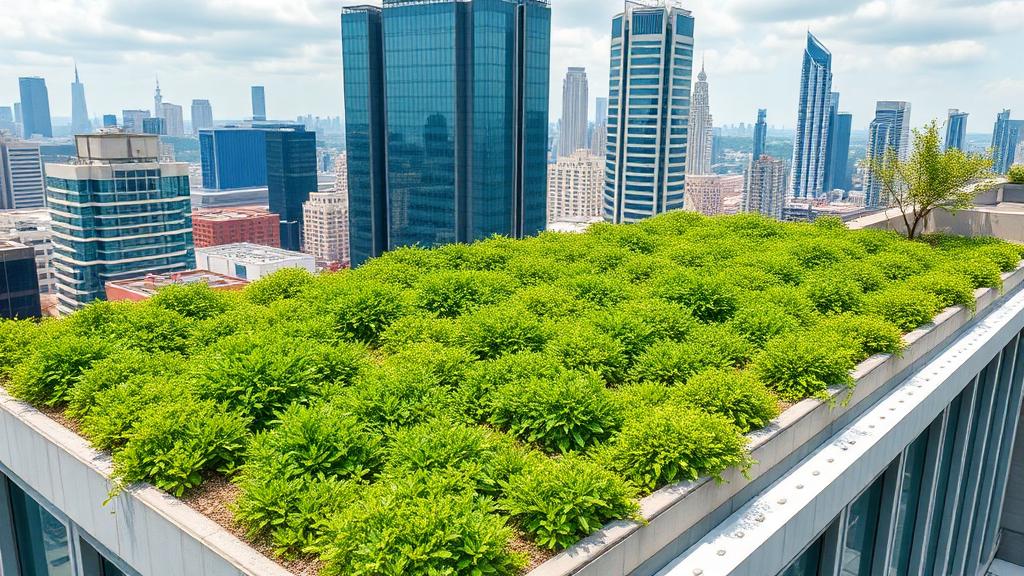
New York State leads in promoting sustainable building practices including environmentally responsible roofing. From NYC green roof requirements to statewide energy efficiency incentives, New York homeowners have compelling reasons and support to choose sustainable roofing options. This guide explores your options and the benefits they provide.
Understanding Sustainable Roofing Categories
Sustainable roofing encompasses several approaches that reduce environmental impact while often providing economic benefits. Different approaches suit different buildings and homeowner priorities.
Green Roofs
Green roofs, also called living roofs or vegetated roofs, feature growing plants over waterproof membranes. These systems provide multiple environmental benefits. They reduce stormwater runoff by absorbing rainfall. Plants and soil insulate buildings, reducing energy consumption. Vegetation improves air quality and provides habitat for pollinators. Green roofs reduce urban heat island effects benefiting entire neighborhoods.
Intensive green roofs support substantial plantings including shrubs and small trees. They require significant structural capacity and regular maintenance. Extensive green roofs use shallow soil and low-maintenance sedums and grasses. These systems work on more buildings with less ongoing care.
Cool Roofs
Cool roofs reflect sunlight and emit absorbed heat more effectively than standard roofing. Highly reflective surfaces reduce cooling loads in summer. Cool roofs help combat urban heat island effects. Various materials qualify as cool roofing including specialized shingles, metal, and membrane systems.
Cool roof benefits are most significant for buildings with substantial air conditioning needs. The balance between summer cooling savings and winter heating implications varies by building use and location within New York.
Solar Roofing
Solar integration captures rooftop real estate for clean energy generation. Traditional rack-mounted panels sit above existing roofing. Building-integrated photovoltaics (BIPV) including solar shingles replace conventional roofing materials. Solar-ready roofing accommodates future panel installation with appropriate orientation and structural capacity.
New York has ambitious solar installation goals and supporting incentive programs. Rooftop solar represents accessible renewable energy for most homeowners.
Recycled and Sustainable Materials
Roofing materials increasingly incorporate recycled content and sustainable production. Metal roofing often contains significant recycled content and is fully recyclable at end of life. Rubber roofing membranes may use recycled tire rubber. Synthetic slates made from recycled materials replace resource-intensive natural slate. Responsibly sourced wood shakes carry FSC or similar certifications.
Material lifecycle impacts include manufacturing energy, transportation, service life, and end-of-life disposal. Longer-lasting materials often have better lifecycle environmental profiles despite higher initial impacts.
NYC Green Roof Requirements and Incentives
New York City has implemented requirements and incentives promoting sustainable roofing within city limits.
Local Law 94
Local Law 94 of 2019 requires buildings undergoing roof replacement or new construction to install solar panels, green roof systems, or a combination covering roof area. The law applies to most building types with some exemptions. Requirements phase in based on building type and permit filing dates. Compliance options provide flexibility for building owners to choose appropriate solutions.
NYC Green Roof Tax Abatement
NYC offers property tax abatement for qualifying green roof installations. The abatement provides $5.23 per square foot of green roof, up to $200,000 or the buildings tax liability. Roofs must meet NYC Department of Buildings technical requirements. Applications require documentation of installed systems meeting program specifications.
The tax abatement significantly offsets green roof installation costs, making projects economically attractive beyond environmental benefits.
Stormwater Credits
NYC stormwater fee structure provides credits for properties reducing runoff. Green roofs and other retention measures reduce stormwater fees. Credits apply to properties meeting DEP requirements for stormwater management. Combined with tax abatement, stormwater credits improve green roof economics substantially.
NYSERDA Programs and Incentives
The New York State Energy Research and Development Authority administers programs supporting sustainable roofing across the state.
NY-Sun Solar Incentives
NY-Sun provides incentives for residential solar installations statewide. Incentive levels vary by region and utility territory. The program supports both purchased and leased systems. Applications coordinate through participating solar installers.
Combined with federal tax credits, NY-Sun incentives make solar roofing financially attractive. Payback periods for well-designed systems often fall under 10 years.
EmPower and Assisted Programs
Lower-income households may qualify for enhanced support through EmPower New York. The program provides free energy audits and improvements for qualifying households. Roofing improvements that affect building energy performance may be included. Income guidelines determine eligibility for program benefits.
Commercial Programs
Commercial and multifamily properties have access to additional NYSERDA programs. Commercial solar incentives support larger installations. Multifamily buildings may qualify for combined efficiency and renewable programs. Program requirements and incentive levels change periodically, so verify current offerings.
Implementation Considerations
Successfully implementing sustainable roofing requires attention to building-specific factors and proper execution.
Structural Assessment
Green roofs impose significant additional weight that buildings must support. Extensive systems add 15-30 pounds per square foot saturated. Intensive systems with deeper soil may add 50-100+ pounds per square foot. Structural engineers must verify capacity before green roof installation.
Solar installations add modest weight but create wind uplift concerns. Mounting systems must be properly attached and buildings must support concentrated loads at attachment points.
Waterproofing Requirements
Green roofs require robust waterproofing beneath growing medium. Root barrier layers prevent plant damage to membranes. High-quality membrane systems with long warranties protect building interiors. Leak detection systems allow monitoring without removing plantings.
Waterproofing quality determines green roof success. Invest in proven systems from experienced installers rather than economizing on this critical layer.
Maintenance Planning
Sustainable roofing systems require ongoing maintenance for performance. Green roofs need seasonal attention including weeding, fertilization, and irrigation during establishment. Solar panels require periodic cleaning and electrical system monitoring. Cool roof coatings may need periodic reapplication depending on product selection.
Budget for maintenance when planning sustainable roofing projects. The environmental and economic benefits depend on systems functioning properly over their service lives.
Finding Qualified Contractors
Sustainable roofing installation requires specialized skills beyond conventional roofing. Finding qualified contractors ensures successful outcomes.
Green Roof Expertise
Green roof installers should demonstrate experience with similar projects. Request portfolio of completed installations you can verify. Confirm understanding of drainage, waterproofing, and growing medium requirements. Verify relationships with plant suppliers providing appropriate species.
Membership in Green Roofs for Healthy Cities or similar organizations indicates professional commitment. Certification programs verify training in green roof installation and maintenance.
Solar Installation Qualifications
Solar installers in New York must hold appropriate electrical licenses. NABCEP certification indicates professional solar training. Verify installer participation in applicable incentive programs. Review warranties for both equipment and installation workmanship.
Experience with your specific property type matters. Flat roof and pitched roof installations involve different approaches. Complex roof geometries require design experience to optimize system output.
Conclusion
New York offers exceptional support for sustainable roofing through requirements, incentives, and progressive building policies. Whether choosing green roofs, solar integration, cool roofing, or sustainable materials, homeowners can reduce environmental impact while often improving building performance and economics. Work with qualified contractors who understand both sustainability goals and practical implementation requirements.
Explore sustainable roofing options with verified New York contractors. Browse our state directory to find professionals experienced with green, solar, and sustainable roofing installations.