
North Carolina Roof Moisture: Prevention and Treatment Guide
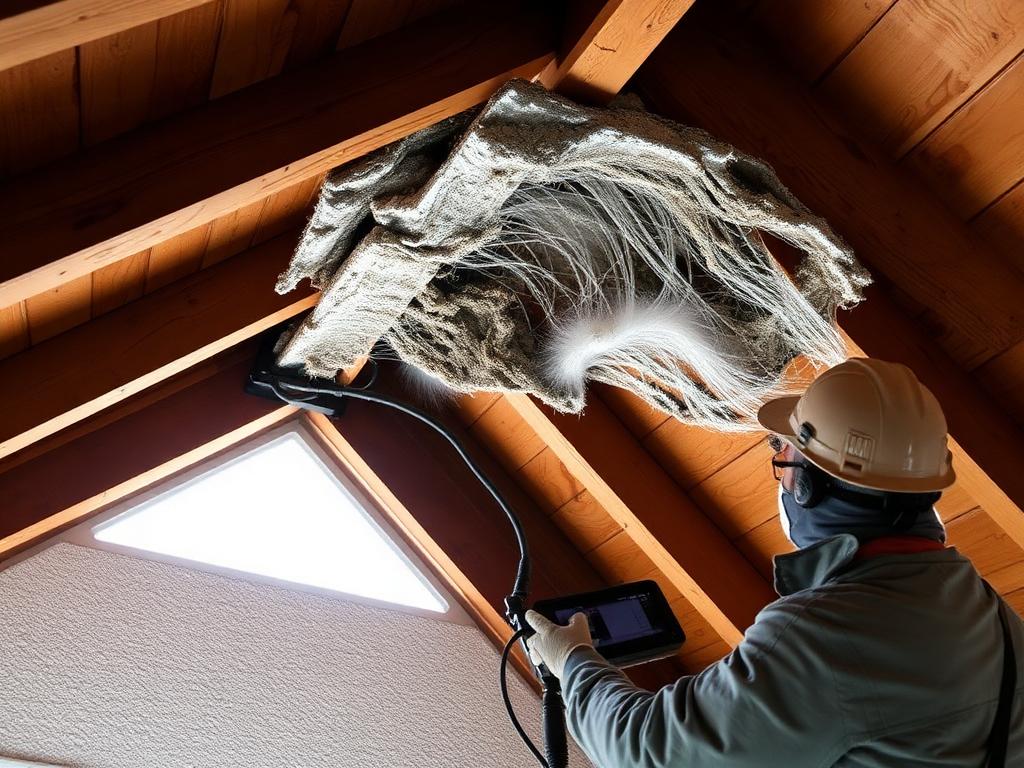
North Carolina humidity creates persistent moisture challenges for residential roofing. Understanding moisture sources and prevention strategies helps homeowners protect their roofs and homes from water damage and mold growth.
Understanding NC Moisture Challenges
North Carolina experiences high humidity levels, particularly in eastern and central regions. Average humidity exceeds 70% for much of the year, creating conditions that promote moisture problems in roofing systems.
Moisture enters attic spaces from multiple sources: exterior humidity, interior moisture from living activities, and any roof or flashing leaks. Without proper management, this moisture damages roof structures and promotes mold growth.
Ventilation Importance
Proper attic ventilation is the primary defense against moisture accumulation. Adequate airflow removes moisture before it can condense on roof sheathing or accumulate in insulation.
Balanced Ventilation: Effective ventilation requires balanced intake and exhaust. Soffit vents provide intake while ridge vents or other exhaust points allow air to exit. Imbalance reduces effectiveness.
Ventilation Ratio: North Carolina conditions may warrant exceeding minimum code ventilation requirements. Additional ventilation area provides better moisture management in humid conditions.
Ventilation Inspection: Verify ventilation components remain clear and functional. Blocked soffit vents and damaged ridge vents reduce airflow. Regular inspection identifies problems before damage occurs.
Roof and Flashing Integrity
Leaks introduce moisture directly into roof systems. Even small leaks cause significant damage over time. Regular inspection identifies developing problems before major damage occurs.
Flashing Inspection: Check flashings around penetrations, walls, and roof transitions. North Carolina heat and humidity stress sealants. Reseal or replace compromised flashings promptly.
Shingle Condition: Look for lifted, cracked, or missing shingles that could admit water. Address minor damage before it becomes major leaks.
Valley and Edge Details: Valleys and edges are common leak points. Verify proper installation and condition. Clear debris that could trap water.
Condensation Prevention
Condensation occurs when warm, moist air contacts cold surfaces. In winter, attic air contacting cold roof sheathing creates condensation. In summer, air conditioning can create similar conditions.
Proper insulation reduces temperature differentials that cause condensation. Air sealing prevents warm interior air from reaching cold surfaces. Ventilation removes moisture before condensation forms.
Signs of Moisture Problems
Interior water stains indicate active leaks requiring immediate attention. Musty odors suggest mold growth from chronic moisture. Visible mold on attic surfaces confirms moisture problems.
Roof sheathing that feels soft or shows staining indicates moisture damage. Rusted fasteners and deteriorated materials suggest chronic moisture exposure.
Professional Assessment
If moisture problems are suspected, professional assessment identifies sources and recommends solutions. Moisture meters and thermal imaging can identify hidden problems not visible to homeowners.
Conclusion
Moisture management is essential for North Carolina roofs. Proper ventilation, regular maintenance, and prompt repair of leaks protect homes from moisture damage and mold growth.
Need moisture assessment? Find North Carolina roofing contractors experienced with humidity management.