NYC Building Code Compliance for Roofing Projects
Roofing projects in New York City involve navigating one of the nations most complex building regulatory environments. The NYC Department of Buildings oversees permits, inspections, and code compliance for all roofing work within the five boroughs. Understanding these requirements prevents delays, fines, and project complications.
When Permits Are Required
Most roofing work in New York City requires permits from the Department of Buildings. Understanding permit thresholds helps plan projects appropriately.
Work Requiring Permits
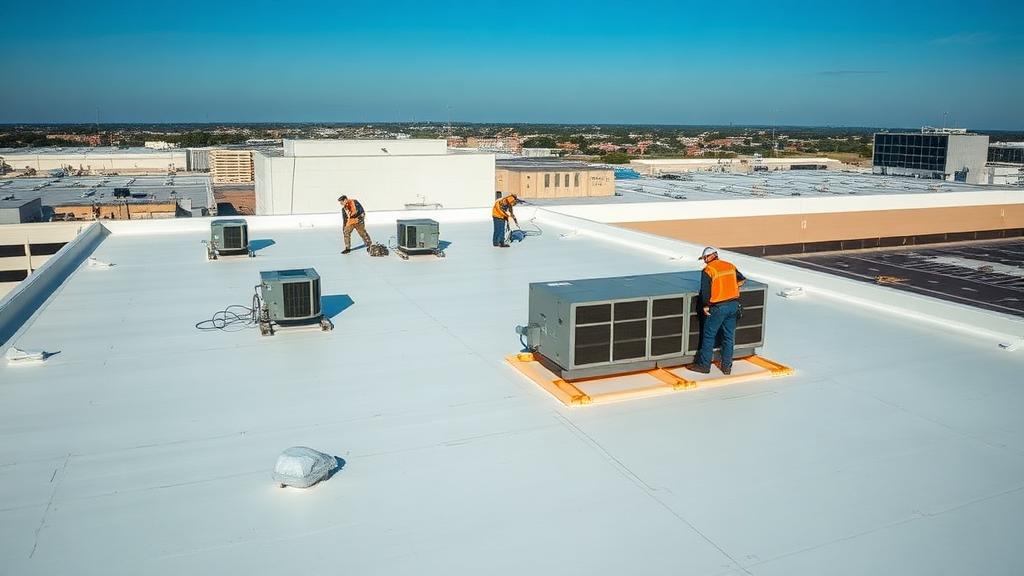
Full roof replacement always requires a building permit in NYC. Roof repairs exceeding 10% of roof area require permits. Any structural modifications to roof framing need permits. Rooftop equipment installation including HVAC and solar requires permits. Green roof installations require permits and additional review.
The permit requirement applies regardless of building type, from single-family homes to large commercial structures. Permit fees scale with project scope and building classification.
Minor Work Exemptions
Limited repairs may proceed without permits under specific circumstances. Repairs to less than 10% of roof area using matching materials may be exempt. Emergency repairs to stop active leaks can proceed with subsequent permit application. Routine maintenance and minor repairs typically do not require permits.
Even when permits are not required, work must still comply with building codes. The exemption applies only to permit requirements, not to code compliance obligations.
The Permit Application Process
Obtaining NYC building permits involves several steps and various approval pathways depending on project scope.
Professional Certification
Most roofing permits in NYC require professional certification by a Registered Architect or Professional Engineer. The professional reviews plans and certifies code compliance. Self-certification allows qualified professionals to approve their own plans without DOB plan review. Work types and building classifications determine whether self-certification is available.
Homeowners generally cannot self-file roofing permits. Working with licensed contractors who have relationships with certifying professionals streamlines the process.
Filing Requirements
Permit applications include detailed documentation of proposed work. Scope of work descriptions specify materials, methods, and extent of work. Site plans show building location and access. Construction drawings detail roof assembly and structural connections. Material specifications provide product information for proposed materials.
Electronic filing through DOB NOW has replaced paper applications for most permit types. The system tracks application status and inspection scheduling.
Review Timeframes
Permit review times vary based on application complexity and DOB workload. Self-certified applications may approve within days for straightforward projects. Professional certified work requiring DOB review takes 2-6 weeks typically. Complex projects or those requiring multiple agency review take longer.
Plan examiner objections require response and resubmission, extending timelines. Working with experienced professionals reduces objection likelihood and speeds approval.
Code Requirements for Roofing
NYC building codes establish requirements that roofing projects must satisfy. Key requirements affect material selection, installation methods, and system design.
Fire Resistance Requirements
Roof assemblies must meet fire resistance classifications based on building type. Class A roofing, the most fire-resistant, is required for most NYC buildings. Class B and C ratings may be acceptable for certain building types. Materials carry fire classification ratings from testing laboratories.
Flat roof assemblies have specific fire resistance requirements for insulation and membrane combinations. The building code specifies approved assemblies or allows engineering analysis for non-listed combinations.
Wind Resistance Standards
NYC codes specify wind resistance requirements based on building height and exposure. Minimum fastening patterns ensure shingle and membrane attachment. Edge securement details prevent wind uplift at vulnerable perimeters. High-rise buildings face more stringent requirements than low-rise construction.
Material manufacturer specifications must equal or exceed code-required wind resistance. Installers must follow manufacturer requirements to maintain warranty and code compliance.
Energy Code Compliance
Roof replacements trigger NYC Energy Conservation Code requirements. Minimum insulation R-values apply when more than 50% of roof is replaced. Cool roof requirements apply to certain building types and roof areas. Documentation of energy code compliance is part of permit closeout.
Energy code compliance often improves building comfort and reduces operating costs beyond meeting minimum requirements.
Drainage Requirements
Roof drainage must prevent ponding and direct water away from building. Primary drains sized for expected rainfall intensity. Secondary drainage or overflow provisions prevent accumulation if primary drains clog. Scupper and downspout sizing follows code calculations.
Ponding water accelerates roof deterioration and can cause structural problems. Proper drainage design extends roof service life.
Inspections and Sign-Off
Completed roofing work requires inspection before permit closeout. Understanding inspection requirements ensures smooth project completion.
Inspection Scheduling
Contractors schedule inspections through DOB NOW after work completion. Inspection availability varies by borough and demand. Same-day or next-day inspections may be available or may require several days wait. After-hours inspections are available for additional fees.
Work must be accessible and visible for inspection. Do not cover or conceal work before required inspections.
Common Inspection Issues
Inspectors verify work matches approved plans and meets code requirements. Common issues causing inspection failures include materials differing from specifications, fastening patterns not meeting requirements, flashing installation deficiencies, inadequate drainage slope, and missing fire resistance documentation.
Addressing inspection failures requires correction and re-inspection. Multiple failures may trigger additional scrutiny and fees.
Final Sign-Off
Successful final inspection allows permit closeout and certificate of completion. Sign-off documentation confirms work was inspected and approved. Unclosed permits appear in building records and can complicate sales or refinancing. Ensure contractors obtain proper sign-off before final payment.
Working with Licensed Contractors
NYC requires licensed contractors for most roofing work. Understanding licensing protects homeowners and ensures qualified installation.
License Requirements
Home Improvement Contractor (HIC) licenses are required for residential roofing work. The license demonstrates insurance coverage and business legitimacy. HIC license numbers should appear on contracts and can be verified online. Commercial roofing may require different or additional credentials.
Contract Requirements
NYC law mandates specific contract terms for home improvement work. Contracts must be in writing for work exceeding threshold amounts. Required terms include scope, price, payment schedule, and contractor license information. Cancellation rights apply to certain contracts.
Retain copies of all contracts and change orders. These documents are essential if disputes arise.
Insurance Verification
Contractors must carry liability and workers compensation insurance. Verify coverage directly with insurance companies, not just from contractor-provided certificates. Confirm policies remain active through project completion. Inadequate insurance creates homeowner liability exposure.
Avoiding Violations
Building code violations carry fines and can require work correction. Understanding common violation causes helps avoid problems.
Work Without Permit
Performing work requiring permits without obtaining them is a serious violation. Penalties include fines starting at several thousand dollars. Stop work orders halt projects until permits are obtained. Required remediation may exceed original project scope.
DOB actively enforces permit requirements through inspections and complaint response. The risk of discovery outweighs any perceived savings from skipping permits.
Code Non-Compliance
Work not meeting code requirements violates the building code regardless of permit status. Non-compliant work must be corrected to achieve sign-off. Repeated violations increase penalties and scrutiny. Egregious violations can result in contractor license action.
False Statements
Misrepresentations in permit applications constitute violations. Understating project scope to reduce fees or oversight creates violation exposure. Misrepresenting professional involvement compounds problems. Accurate applications avoid these complications.
Conclusion
NYC roofing projects require careful attention to permitting, code compliance, and inspection requirements. Working with experienced contractors who understand DOB processes ensures smooth project execution. Invest time upfront in proper permitting to avoid delays, fines, and complications that cost more than compliance.
Find NYC roofing contractors experienced with DOB requirements. Browse our NYC directory for verified professionals who understand building code compliance.