NYC Historic Building Roofing: Preservation Requirements and Best Practices
New York City contains one of the largest collections of landmarked buildings in the United States. If your property falls within a historic district or is individually designated, roofing work requires navigating the Landmarks Preservation Commission (LPC) approval process. This guide explains how to successfully complete historic roof projects while maintaining compliance.
Understanding Landmark Designation in NYC
Landmark status in New York City comes in several forms. Individual landmark buildings receive protection regardless of location. Historic districts protect entire neighborhoods and include all buildings within defined boundaries. Interior landmarks protect significant interior spaces, though these rarely affect roofing.
Over 37,000 properties in New York City have some form of landmark protection. Major historic districts include Brooklyn Heights, Greenwich Village, SoHo-Cast Iron, Upper East Side, and Park Slope. Before planning any roofing work, determine whether your property has landmark status through the LPC website or NYC Department of Buildings.
What Roofing Work Requires LPC Approval
Not all roofing work on landmarked buildings requires LPC permits. Understanding the distinction saves time and ensures compliance. Work visible from a public street or requiring material changes typically requires approval. Repairs using matching materials often qualify for staff-level approval without full commission review.
Replacement of existing roofing with identical materials may qualify for expedited review. Changing roofing materials, adding skylights, or installing rooftop equipment typically requires full commission approval. Work on roof areas not visible from public streets has more flexibility, though interior changes affecting the roof structure still need review.
Approved Roofing Materials for Historic Buildings
The LPC maintains guidelines for appropriate roofing materials based on building style, period, and district character. Understanding these preferences before planning saves revision time.
Slate Roofing
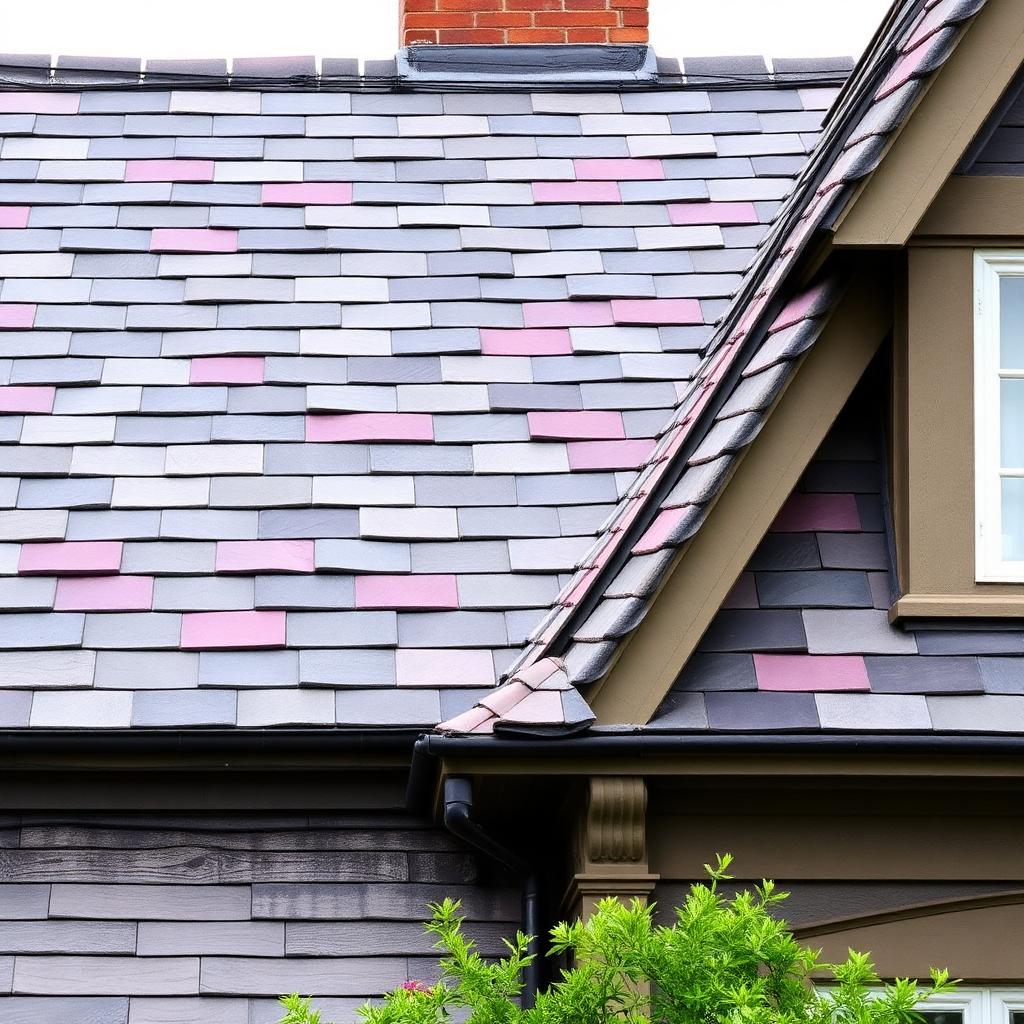
Slate remains the gold standard for 19th-century townhouses and many institutional buildings. The LPC generally approves slate-to-slate replacement without extensive review. When replacing slate, matching the original color, thickness, and exposure pattern is essential. Black, gray, and red slates were common in different periods and neighborhoods.
Synthetic slate alternatives face more scrutiny. High-quality synthetic slates may receive approval when they closely match natural slate appearance. Lower-quality products are typically rejected. Providing samples and manufacturer specifications supports approval for synthetic alternatives.
Metal Roofing
Metal roofing has historic precedent in New York City, particularly standing seam copper and terne-coated steel. Copper develops a distinctive green patina that many historic buildings feature. Terne metal, a lead-tin alloy, was common before mid-20th century.
Modern alternatives like zinc and aluminum may receive approval when they replicate historic metal roofing appearance. Pre-patinated copper and zinc-aluminum alloys can satisfy both historic appearance requirements and modern performance expectations.
Flat Roofing Considerations
Many New York City rowhouses and commercial buildings feature flat roofs not visible from the street. The LPC provides more flexibility for non-visible flat roofs. Modern membrane systems are generally acceptable when not visible. Parapets and cornices facing streets still require appropriate historic treatment.
Roof decks and rooftop additions face strict scrutiny even when set back from building edges. The LPC evaluates visibility from various vantage points when reviewing rooftop proposals.
The LPC Application Process
Navigating LPC approval requires understanding the review hierarchy and providing complete documentation. Different application types serve different project scopes.
Staff-Level Review
Minor work meeting established guidelines may receive staff approval without public hearing. Replacement in-kind projects often qualify for staff review. Applications include photographs, proposed materials specifications, and contractor information. Staff reviews typically take 4-6 weeks for straightforward projects.
Certificate of Appropriateness
More substantial changes require Certificate of Appropriateness through public hearing. Commission meetings occur regularly and applications must be submitted in advance. Presenting before commissioners requires clear drawings, material samples, and explanation of project scope.
Hiring an expediter familiar with LPC processes can streamline applications. Many architecture firms specializing in historic preservation offer LPC navigation services. These services add cost but often reduce overall project timelines.
Emergency Conditions
Active leaks creating interior damage may qualify for expedited review or emergency authorization. Document the emergency with photographs showing water damage, structural concerns, or safety issues. Contact LPC staff directly for emergency authorization procedures.
Emergency authorization typically covers temporary protective measures. Permanent repairs still require appropriate review, though emergency conditions may support expedited processing.
Finding Qualified Preservation Contractors
Historic roofing work demands specialized skills beyond standard residential roofing. Finding contractors experienced with landmark buildings ensures quality work and smooth approvals.
Essential Qualifications
Look for contractors with documented experience on landmarked buildings. Request project lists with LPC permit numbers you can verify. Check references specifically about working within landmark guidelines. Verify familiarity with historic materials and installation methods.
Membership in preservation trade organizations indicates commitment to the specialty. The National Slate Association, Copper Development Association, and regional preservation groups maintain contractor directories. Training certifications in historic roofing methods provide additional verification.
Understanding Cost Implications
Historic roofing typically costs significantly more than standard residential work. Natural slate runs 2-4 times the cost of architectural shingles. Copper and other historic metals carry material premiums. Specialized labor commands higher rates than standard roofing installation.
LPC review adds timeline and professional service costs. Factor in expediter fees, extended project schedules, and possible design revisions. Despite higher upfront costs, proper historic roofing provides decades of service life that often justifies the investment.
Common Approval Challenges
Understanding typical LPC concerns helps avoid application problems. Anticipating objections allows addressing them proactively.
Material Substitutions
Proposing modern materials to replace historic ones requires strong justification. Document why original materials are unavailable or impractical. Provide detailed specifications showing substitute materials closely match historic appearance. Include manufacturer warranties and performance data supporting long-term suitability.
Visibility Impacts
Work affecting building appearance from public vantage points faces detailed scrutiny. Submit photographs from multiple street-level locations showing existing conditions and proposed changes. Scale drawings demonstrating minimal visual impact support approvals. Photo simulations showing proposed changes can help commissioners understand impacts.
Rooftop Additions
Roof decks, mechanical equipment, and bulkheads generate significant LPC attention. Setback requirements ensure additions remain invisible from street level. Material and color requirements help additions blend with existing buildings. Working with architects experienced in LPC approvals improves outcomes for rooftop projects.
Conclusion
Historic building roofing in New York City requires patience, expertise, and respect for preservation guidelines. Start planning well before roofing becomes urgent to allow adequate time for LPC review. Invest in qualified contractors who understand both historic materials and regulatory requirements. The result protects both your building and the historic character that makes New York City neighborhoods distinctive.
Ready to find qualified historic roofing contractors? Browse our verified NYC contractor directory featuring professionals experienced with landmark building requirements.