Ohio Winter Roofing: Ice Dams, Snow Loads, and Cold Weather Protection
Ohio winters bring significant challenges for residential roofing, from heavy lake effect snow in the north to ice storm damage throughout the state. Understanding winter roofing protection helps Ohio homeowners prevent costly damage.
Ohio Winter Weather Patterns
Lake Effect Snow: Cleveland, Akron, and northeastern Ohio experience lake effect snow from Lake Erie. Annual totals can exceed 100 inches in the snow belt, placing substantial loads on roofs.
Ice Storms: Central and southern Ohio are particularly susceptible to ice storms that coat surfaces with heavy ice, potentially causing structural damage.
Temperature Swings: Ohio experiences mid-winter thaws followed by hard freezes. These temperature swings promote ice dam formation and freeze-thaw damage.
Understanding Ice Dams
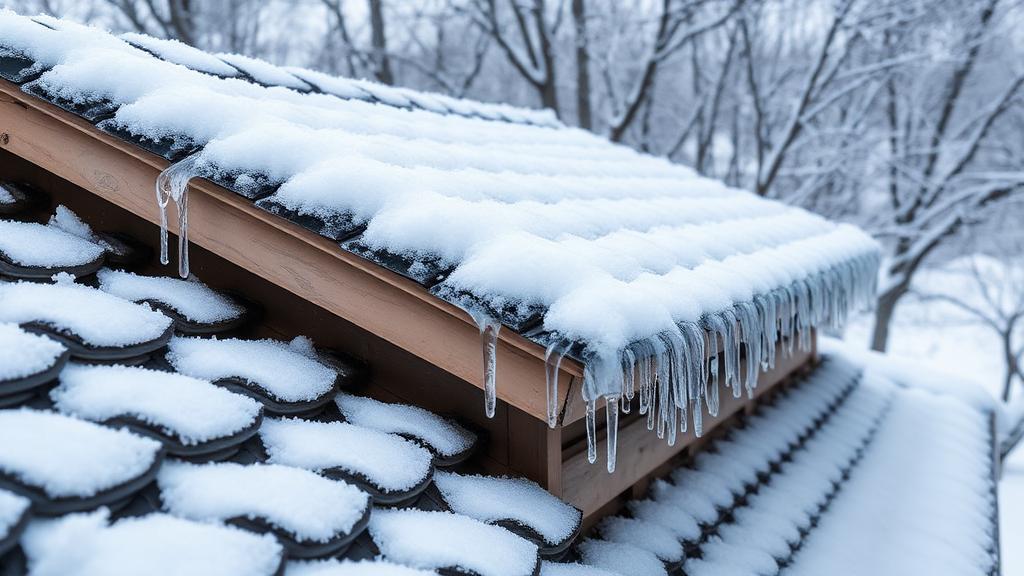
Ice dams form when heat escapes through the roof, melting snow that refreezes at cold eaves:
Formation Process: 1. Inadequate insulation allows heat to warm roof deck 2. Snow melts on warmed sections 3. Meltwater flows to cold eave overhangs 4. Water refreezes creating ice ridge 5. Backed-up water infiltrates under shingles
Resulting Damage: Water intrusion causes ceiling stains, wet insulation, mold growth, and structural damage.
Ice Dam Prevention
Improve Attic Insulation: Adequate insulation prevents heat from reaching the roof deck. R-49 to R-60 is recommended for Ohio homes.
Balance Ventilation: Proper soffit-to-ridge ventilation keeps roof temperatures cold. Verify vents are clear and balanced.
Seal Air Leaks: Air infiltration from living spaces contributes to ice dams. Seal around recessed lights, bathroom fans, and attic access points.
Ice and Water Shield: This membrane provides backup protection in vulnerable areas. Ohio building codes typically require installation at eaves, valleys, and around penetrations.
Snow Load Management
Structural Capacity: Most Ohio roofs are designed for 20-30 pounds per square foot ground snow load. Snow belt homes need higher capacity.
When to Remove Snow: - Heavy wet snow exceeding 2 feet - Visible sagging or structural stress - Ice dam formation preventing drainage - Older homes with unknown structural capacity
Safe Removal Methods: Roof rakes allow ground-level removal from roof edges. Professional removal is recommended for complete clearing or structural concerns.
Pre-Winter Preparation
Fall Inspection: Address loose shingles, damaged flashing, and worn sealants before winter. Small problems worsen with freeze-thaw cycles.
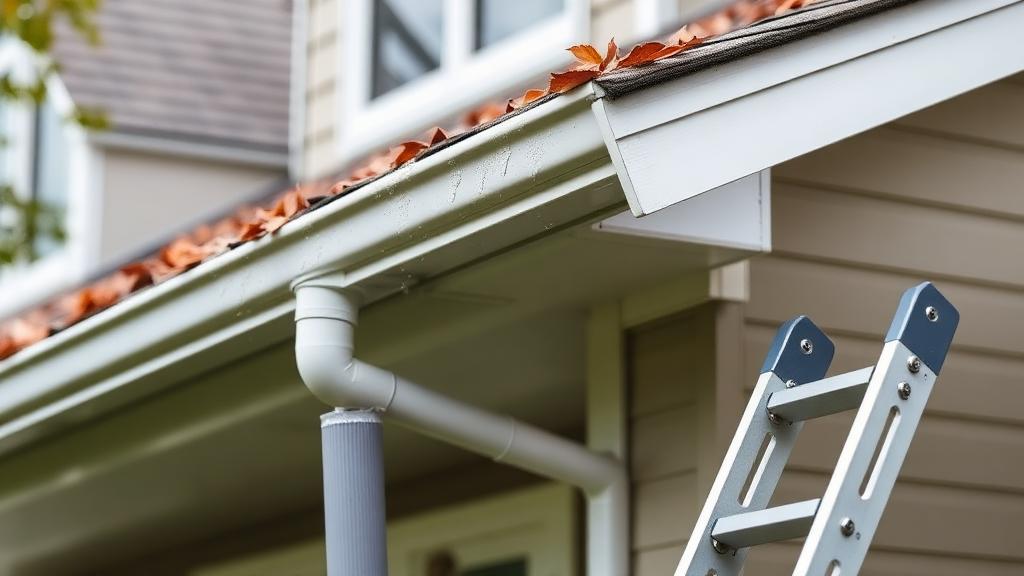
Gutter Maintenance: Clean gutters completely. Secure loose sections. Consider heated gutter cables in ice dam-prone areas.
Attic Assessment: Verify insulation depth and condition. Check that ventilation pathways are clear.
Conclusion
Ohio winters demand proactive roof protection. Invest in proper insulation, ventilation, and pre-winter maintenance to prevent costly damage.
Need winter roof assessment? Find Ohio roofing contractors experienced with cold weather protection.