Oregon Residential Roofing: Pacific Northwest Homeowner Guide for 2026
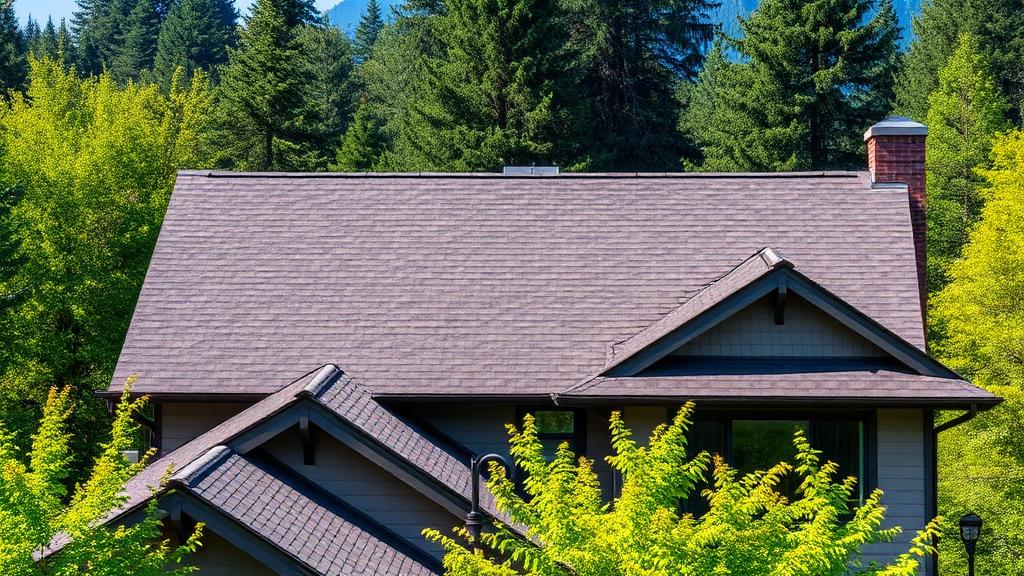
Oregon homeowners face roofing challenges similar to Washington state, with persistent rainfall, high humidity, and abundant shade creating ideal conditions for moss growth. Understanding these regional factors helps you make informed decisions about roof materials, maintenance, and contractor selection.
Oregon Climate Regions
Oregon climate varies dramatically by region:
Willamette Valley: Portland and the valley receive 35-45 inches of annual rainfall with mild temperatures. High humidity and tree cover promote moss growth.
Coast: Heavy rainfall exceeding 70 inches annually in some areas. Salt air exposure affects material choices. Wind exposure requires secure installation.
Central Oregon: High desert climate with significant temperature swings. Moderate precipitation but intense UV exposure. Different challenges than western Oregon.
Cascade Range: Heavy snowfall in mountain areas. Snow load and ice considerations apply.
Best Materials for Western Oregon
Composition Shingles: The most popular choice. Algae-resistant shingles with copper or zinc granules inhibit moss. Impact-resistant options handle falling branches.
Metal Roofing: Excellent for wet climates. Standing seam handles moisture well and resists moss attachment. Popular for both urban and rural properties.
Cedar Shakes: Traditional Pacific Northwest material with natural beauty. Requires more maintenance in wet climate. Modern treatments extend lifespan.
Composite Shakes: Provide traditional appearance with better moisture resistance than natural wood. Growing in popularity.
Moss Prevention
Moss is the primary maintenance challenge for Oregon roofs:
Zinc or Copper Strips: Metal strips near the ridge release moss-inhibiting compounds during rain. Effective prevention for 10-15 years.
Regular Cleaning: Annual soft-wash cleaning removes moss before it damages shingles. Avoid pressure washing on asphalt.
Tree Management: Reduce shade by maintaining clearance between trees and roof. This reduces moisture retention.
Algae-Resistant Shingles: During replacement, choose shingles with built-in resistance.
Drainage Requirements
High rainfall makes drainage critical:
Oversized Gutters: Consider 6-inch gutters and larger downspouts for heavy rainfall areas.
Gutter Maintenance: Douglas fir needles and deciduous debris clog gutters quickly. Regular cleaning or guards are essential.
Proper Slope: Ensure all roof sections drain completely. Standing water accelerates deterioration.
Finding Oregon Contractors
Oregon requires Construction Contractors Board (CCB) licensing:
- Valid CCB license for appropriate classification
- Liability insurance and bond
- Workers compensation compliance
- Verify through CCB online search
Conclusion
Oregon roofing requires attention to moisture management, moss prevention, and proper drainage. Work with CCB licensed contractors who understand Pacific Northwest conditions.
Ready to find Oregon roofing professionals? Search our verified contractor directory for qualified roofers in your area.