Pennsylvania Storm Damage: Protecting Your Roof from Severe Weather
Pennsylvania experiences severe thunderstorms, hail, occasional tornadoes, and remnants of tropical systems. Understanding storm preparation helps homeowners protect their properties and navigate recovery.
Pennsylvania Severe Weather Patterns
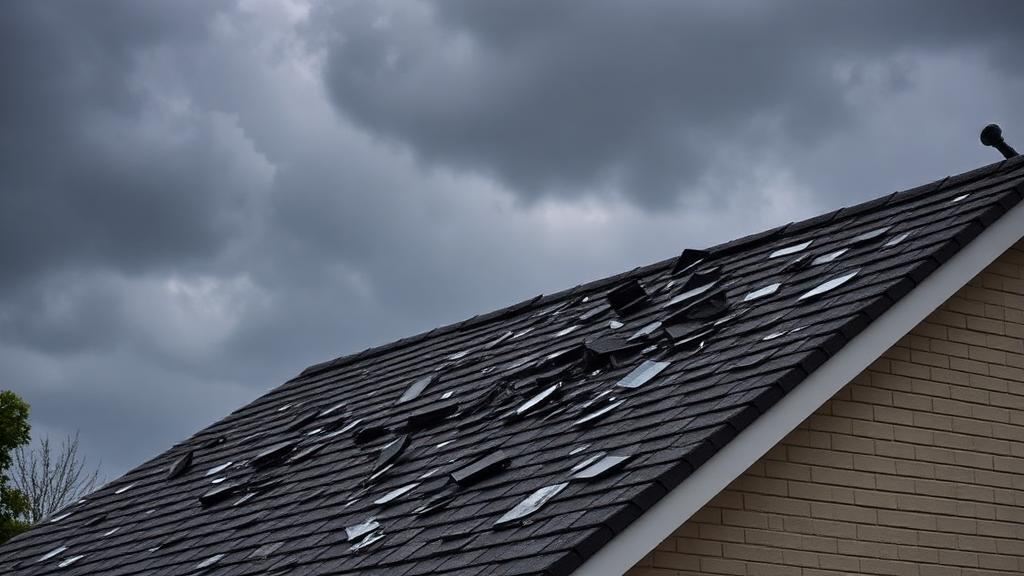
Severe Thunderstorms: Peak season runs May through August. Large hail and damaging winds accompany many storms.
Tropical Remnants: Hurricane remnants occasionally impact Pennsylvania, bringing heavy rain, flooding, and wind damage.
Tornadoes: Pennsylvania averages 15-20 tornadoes annually, most common in central and western regions.
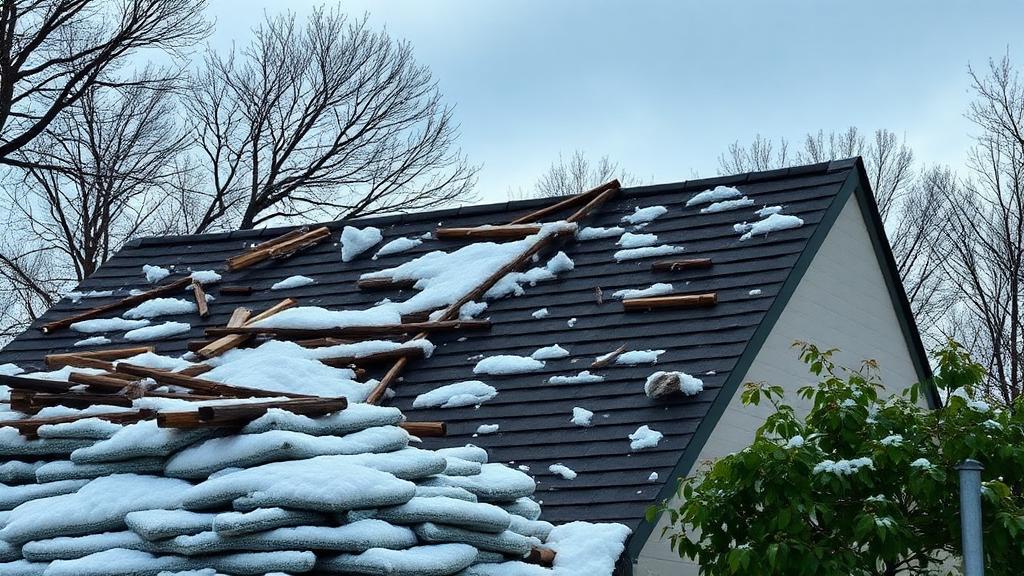
Winter Storms: Nor'easters and lake effect storms can cause ice loading and wind damage.
Impact-Resistant Roofing
Class 4 Shingles: Impact-resistant shingles withstand hail damage better than standard materials. Insurance discounts may apply.
Metal Roofing: Durable against impacts though larger hail may cause cosmetic denting.
Synthetic Materials: Some synthetic roofing offers excellent impact resistance.
Wind Resistance
Wind Ratings: Choose shingles rated for your regional wind exposure. High-wind versions handle 110-130 mph gusts.
Installation Quality: Proper nailing patterns and sealing improve wind performance. Quality installation matters as much as material selection.
Vulnerable Areas: Edges, ridges, and hips are most susceptible to wind uplift. Enhanced sealing protects these zones.
Pre-Storm Preparation
Annual Inspection: Address loose shingles, damaged flashing, and worn sealants before storm season.
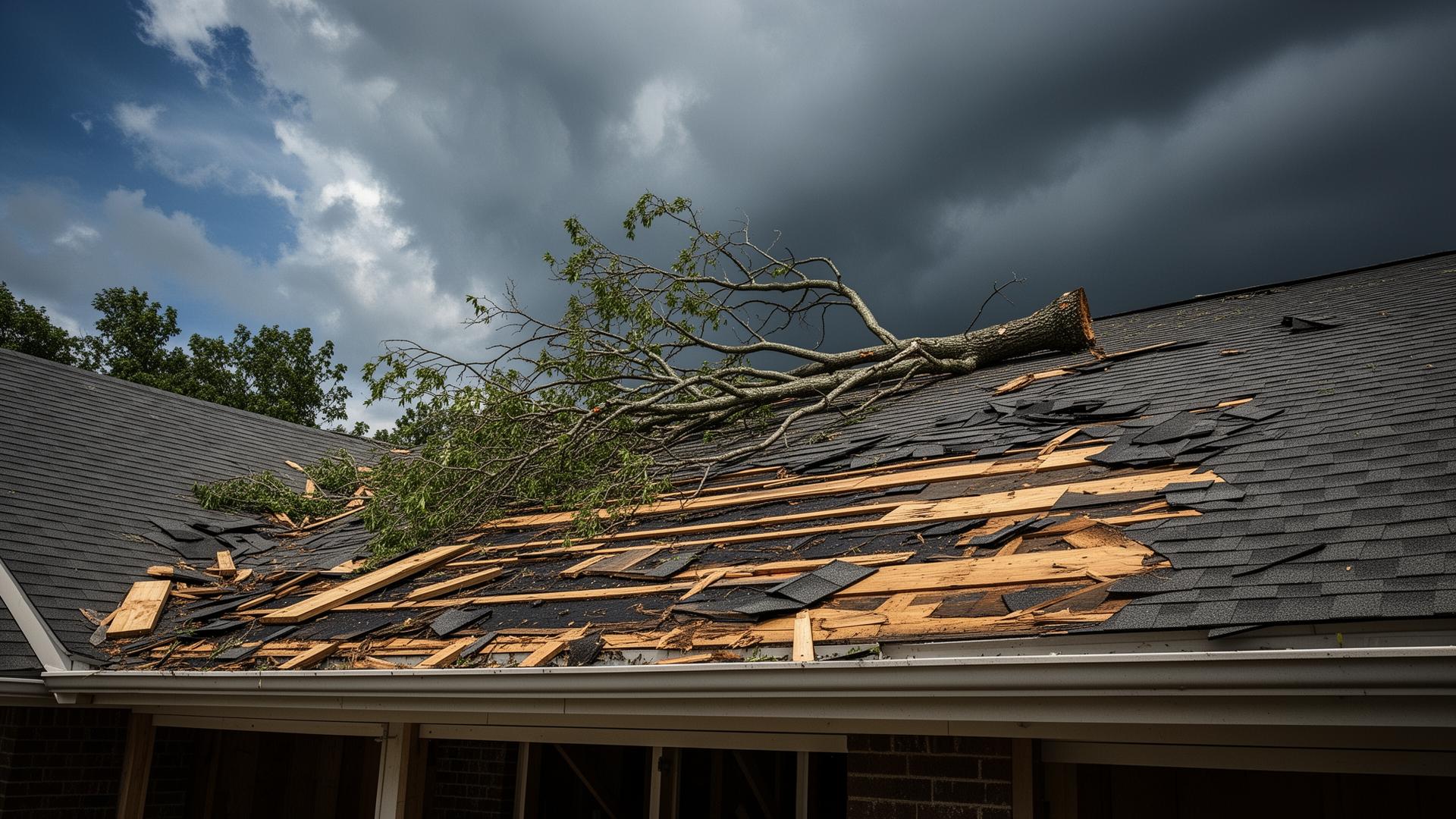
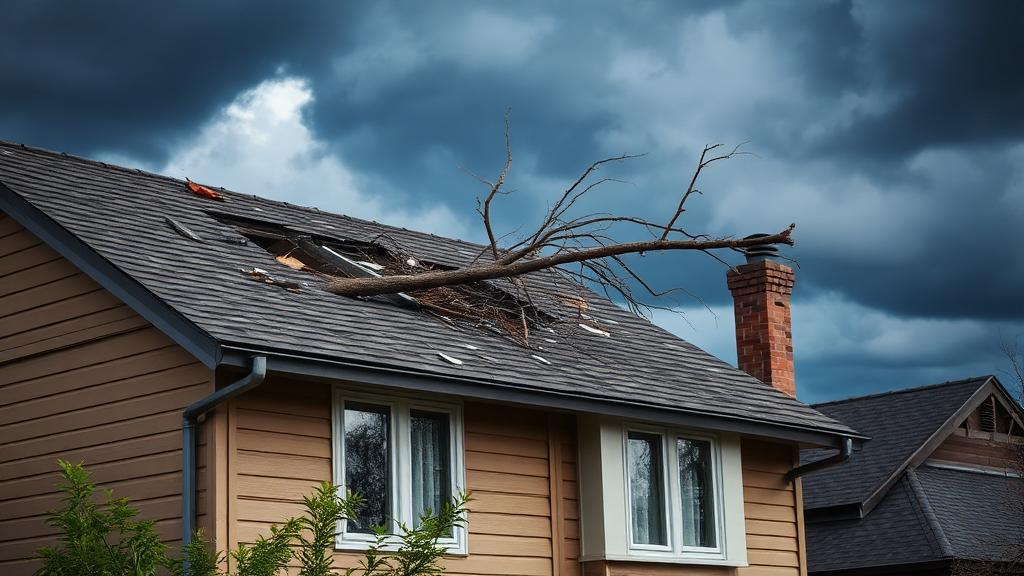
Tree Management: Trim overhanging branches. Remove dead trees near structures.
Documentation: Photograph roof condition before storm season to support potential claims.
Emergency Supplies: Keep tarps and basic repair supplies accessible.
Post-Storm Response
Safety Priority: Stay off roofs during and after storms. Watch for hazards.
Assess from Ground: Look for obvious damage: missing materials, debris, sagging.
Document Damage: Photograph everything before repairs. Note storm date and conditions.
Prevent Additional Damage: Cover exposed areas with tarps if safely possible.
Insurance Claims
Report Promptly: File claims within policy timeframes.
Professional Assessment: Have contractors document damage and provide estimates.
Attend Inspections: Be present when adjusters visit. Point out all damage.
Know Your Coverage: Understand deductibles, limits, and exclusions.
Conclusion
Pennsylvania severe weather requires preparation and proper response. Impact-resistant materials and maintained roofing provide best protection.
Need storm damage assessment? Find Pennsylvania roofing contractors experienced with storm repair.