Rolled Roofing and Low-Cost Options: Budget-Friendly Roofing Solutions
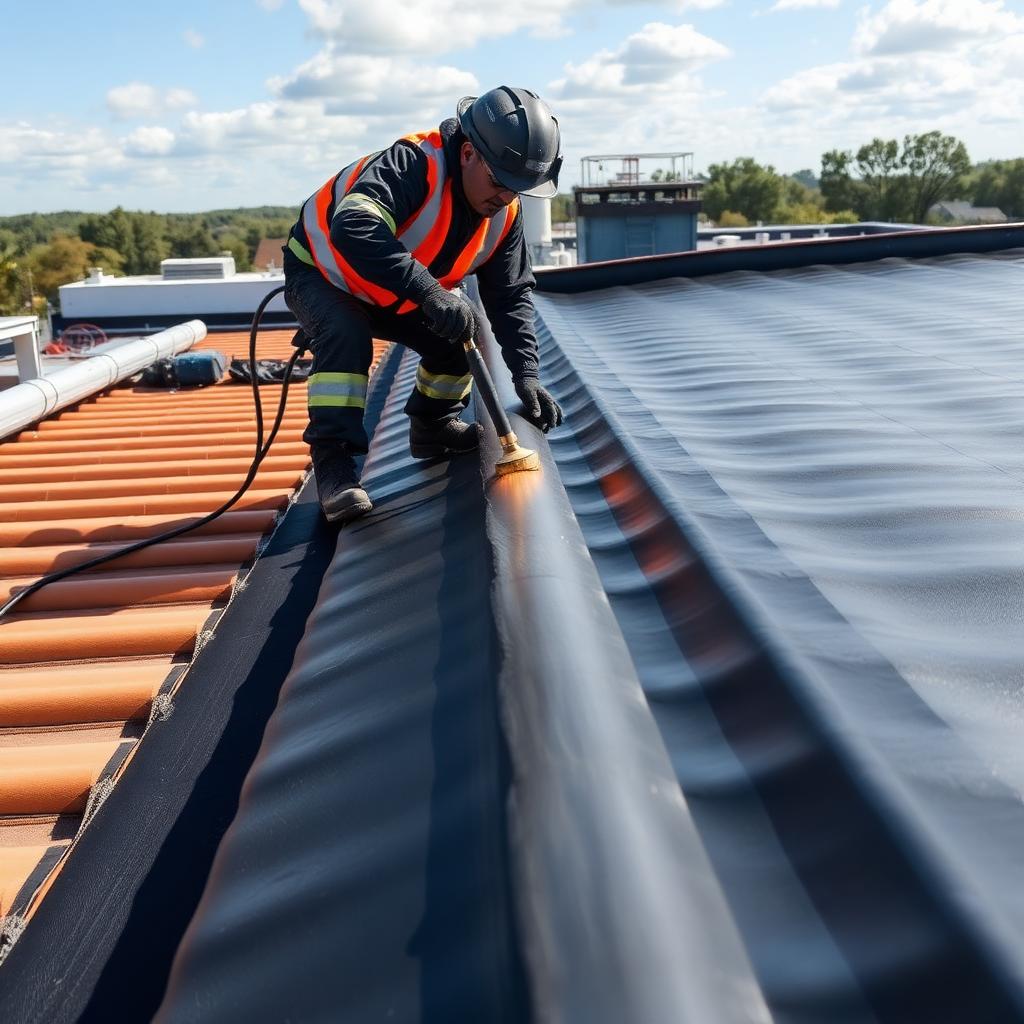
Not every roofing situation calls for premium materials. Whether you're roofing a shed, protecting a rental property, addressing a tight budget, or need a temporary solution, understanding economical roofing options helps you make informed decisions. This guide explores rolled roofing and other budget-friendly alternatives, their appropriate applications, and important limitations.
Understanding Rolled Roofing
Rolled roofing (also called roll roofing, asphalt roll roofing, or mineral-surfaced roll roofing) is the most economical roofing material available—essentially asphalt shingle material sold in rolls rather than bundles.
What Is Rolled Roofing?
Composition:: - Asphalt-saturated organic felt or fiberglass mat - Asphalt coating for waterproofing - Ceramic granule surface (on exposed surface) - Comes in 36" wide rolls, 36' long (approximately 1 square per roll)
Types of Rolled Roofing
Mineral Surface Roll Roofing (MSR):: Standard product with granule surface on one side. The exposed product used as primary roofing material.
Specifications:: - Weight: 75-90 lbs per roll (per square) - Coverage: Approximately 100 sq ft per roll - Colors: Limited (black, brown, gray, green, tan)
Smooth Surface Roll Roofing:: No granules; used as underlayment or in concealed applications.
Modified Bitumen (Premium Option):: Polymer-modified roll roofing with enhanced durability and flexibility. Significantly more durable than standard rolled roofing.
Appropriate Applications
Rolled roofing is suitable for:
Low-Slope Roofs:: Minimum 1:12 pitch (often used up to 4:12). Below 2:12, use modified bitumen or single-ply alternatives.
Outbuildings:: Sheds, barns, garages, workshops where appearance and maximum longevity aren't priorities.
Temporary Roofing:: When a short-term solution is needed before permanent roofing.
Budget Constraints:: When cost absolutely must be minimized.
Rental Properties:: Where investment return considerations favor lower initial cost.
Advantages of Rolled Roofing
Lowest Cost:: Materials cost $30-50 per square—the cheapest roofing material available.
Quick Installation:: Large coverage per roll enables rapid installation.
DIY-Friendly:: Simple enough for capable DIYers with basic tools.
Lightweight:: At 75-90 lbs per square, doesn't stress structures.
Disadvantages of Rolled Roofing
Short Lifespan:: Expect 5-10 years maximum—far shorter than shingles.
Limited Appearance:: Utilitarian look unsuitable for visible applications.
Poor Warranty:: Typically no warranty or minimal 5-year coverage.
Vulnerable Seams:: Horizontal seams create potential leak points.
No Impact Resistance:: Easily damaged by hail, debris, or foot traffic.
Rolled Roofing Installation
Exposed Nail Method:: Nails driven through exposed edge, covered by overlapping course. Fastest but least durable method.
Concealed Nail Method:: Nails placed under overlapping edge. More durable but more labor-intensive.
Adhesive Method:: Roofing cement secures overlapping edges. Best water resistance but most labor-intensive.
Rolled Roofing Costs
| Component | Cost Range |
|---|---|
| Material per square | $30-$50 |
| DIY installation | $0 (your labor) |
| Professional installation | $100-$200/sq |
| **Total DIY** | **$30-$50/sq** |
| **Total Professional** | **$130-$250/sq** |
Modified Bitumen: Premium Roll Roofing
For better performance at moderate cost, modified bitumen bridges rolled roofing and premium flat roof systems.
Types of Modified Bitumen
SBS (Styrene-Butadiene-Styrene):: Rubber-modified with excellent flexibility. Performs well in cold climates and handles thermal movement.
APP (Atactic Polypropylene):: Plastic-modified with excellent heat and UV resistance. Preferred in hot climates.
Advantages Over Standard Rolled Roofing
Longer Lifespan:: 15-25 years with proper installation—2-3x standard rolled roofing.
Better Flexibility:: SBS products handle thermal cycling without cracking.
Superior Durability:: Thicker, more robust material with better puncture resistance.
Multi-Layer Options:: Two-layer systems provide redundant protection.
Modified Bitumen Costs
| Component | Cost Range |
|---|---|
| Material per square | $80-$150 |
| Installation per square | $200-$400 |
| **Total Installed** | **$280-$550/sq** |
Economy Asphalt Shingles
The most affordable option for steep-slope roofs requiring better appearance and longevity than rolled roofing.
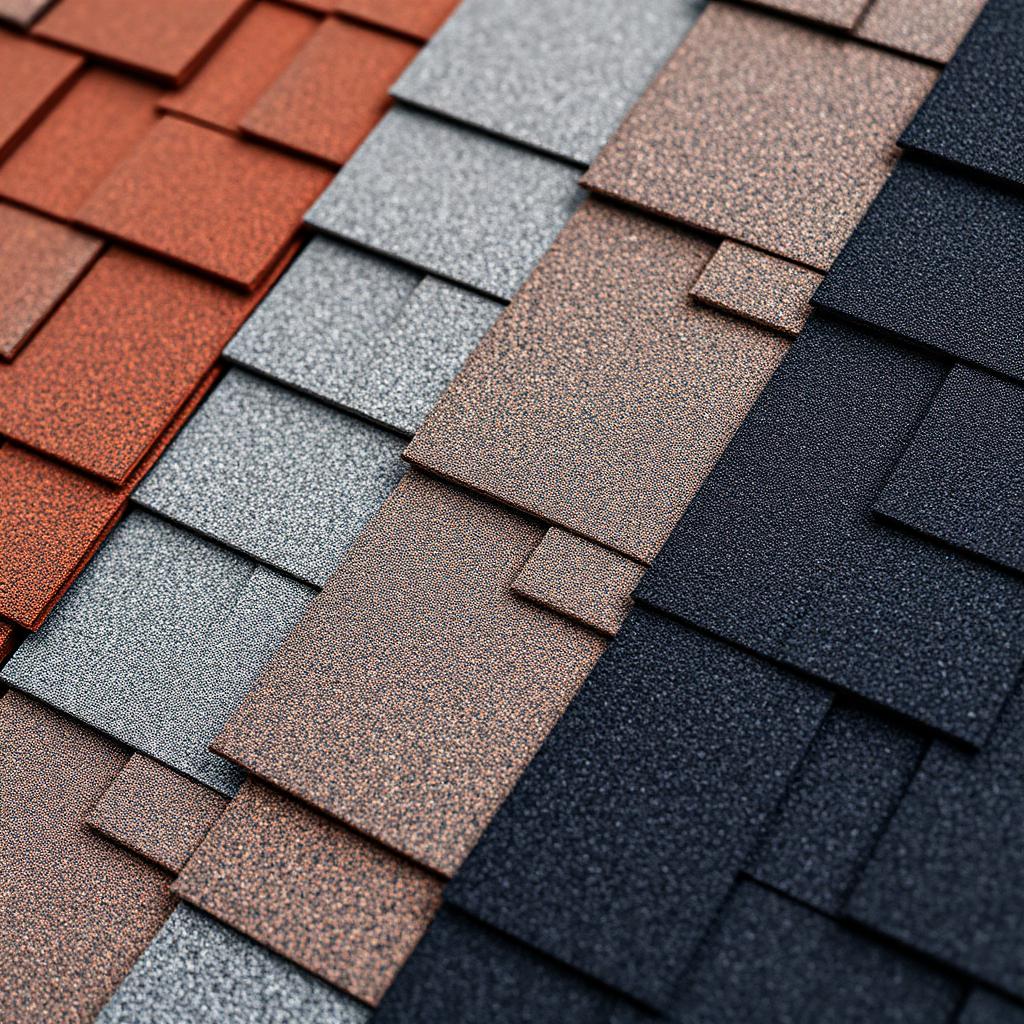
3-Tab Shingles
Description:: Traditional flat shingles with three tab cutouts. Simplest, most economical asphalt shingle option.
Characteristics:: - Lifespan: 15-20 years - Wind resistance: 60-70 mph - Appearance: Flat, uniform, basic - Warranty: 20-25 years limited
Costs:: | Component | Cost Range | |-----------|-----------| | Material per square | $70-$120 | | Installation per square | $150-$250 | | Total Installed | $220-$370/sq |
Budget Architectural Shingles
Description:: Entry-level dimensional shingles from major manufacturers. Better appearance and durability than 3-tab at modest premium.
Examples:: - GAF Royal Sovereign - Owens Corning Supreme - CertainTeed XT 25
Costs:: | Component | Cost Range | |-----------|-----------| | Material per square | $90-$140 | | Installation per square | $175-$275 | | Total Installed | $265-$415/sq |
When to Choose Economy Shingles
Appropriate Situations:: - Rental properties - Investment property flips - Budget constraints with visible roof - Selling home in near future - Temporary residence
Not Recommended:: - Long-term residence - High-wind or severe weather areas - When aesthetic quality matters
Other Budget Roofing Options
Beyond rolled roofing and economy shingles, several alternatives serve budget-conscious applications.
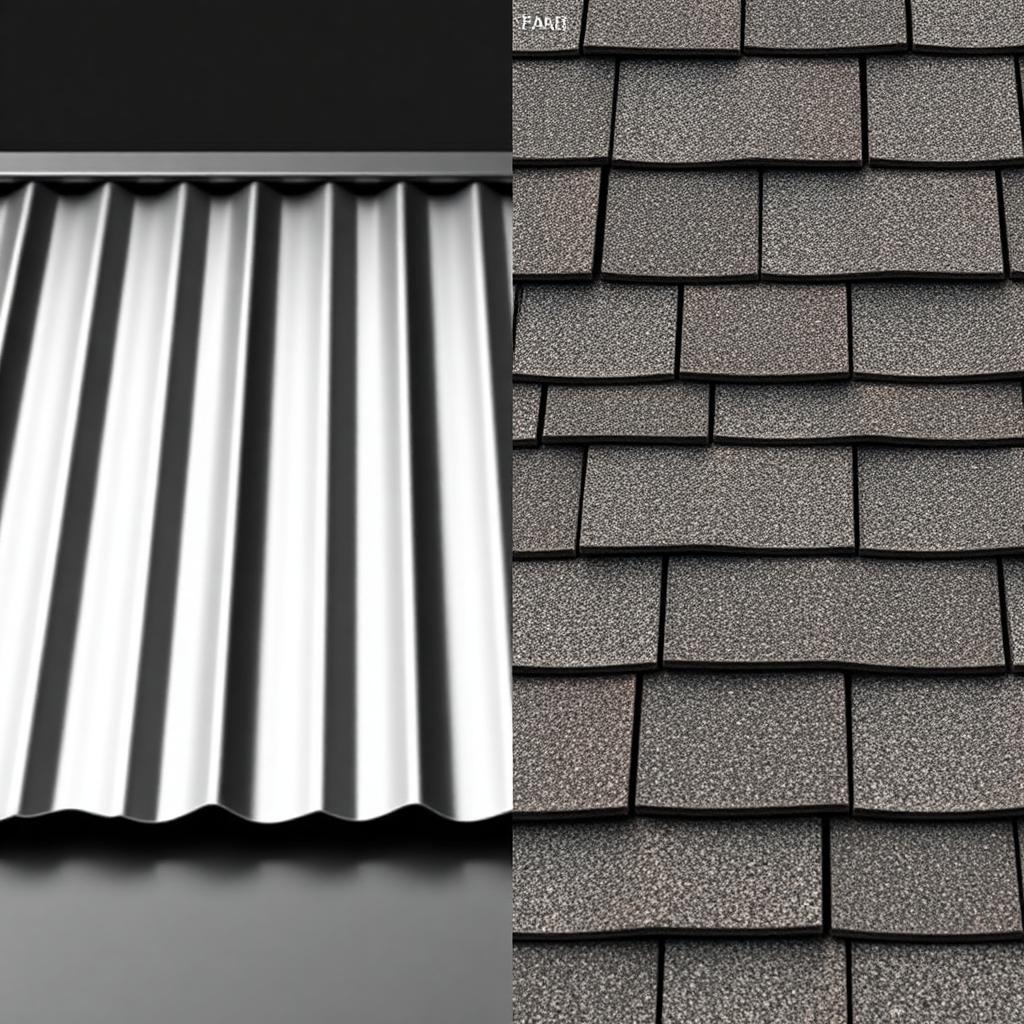
Corrugated Metal
Description:: Wavy metal panels in galvanized steel, aluminum, or painted finishes. Traditional agricultural/industrial material now used residentially.
Characteristics:: - Lifespan: 25-40 years - Very economical for large simple roofs - Industrial appearance - Excellent shed/outbuilding choice
Costs:: | Application | Cost Range | |-------------|-----------| | DIY materials only | $100-$200/sq | | Professional installed | $300-$500/sq |
Fiber Cement Shingles
Description:: Portland cement reinforced with cellulose fibers. Durable, fire-resistant budget option.
Characteristics:: - Lifespan: 25-30 years - Class A fire rating - Modest appearance - Heavier than asphalt
Costs:: | Component | Cost Range | |-----------|-----------| | Material per square | $150-$250 | | Installation per square | $200-$350 | | Total Installed | $350-$600/sq |
Recycled Rubber Shingles
Description:: Made from recycled tires, mimicking slate or shake appearance. Budget alternative to premium synthetics.
Characteristics:: - Lifespan: 20-30 years - Good impact resistance - Environmentally-friendly - Variable quality by manufacturer
Costs:: | Component | Cost Range | |-----------|-----------| | Material per square | $200-$350 | | Installation per square | $200-$300 | | Total Installed | $400-$650/sq |
When Budget Roofing Makes Sense
Understanding appropriate applications prevents regrettable decisions.
Good Applications for Budget Roofing
Outbuildings:: Sheds, barns, detached garages, workshops—structures where maximum longevity and appearance aren't priorities.
Rental Properties:: Investment calculation may favor lower initial cost over premium longevity.
Temporary Solutions:: When permanent roofing will occur in 3-5 years, budget materials provide adequate interim protection.
Selling Property:: When selling soon, premium roofing investment may not be recovered.
Financial Constraints:: When a roof must be replaced immediately but budget is severely limited.
When to Invest in Better Materials
Primary Residence:: Long-term value typically favors quality materials for homes you'll occupy for years.
Harsh Climates:: Extreme weather accelerates cheap material failure.
Visible Roofing:: When roof appearance affects property value or personal satisfaction.
Insurance Considerations:: Better impact ratings may reduce insurance costs.
Resale Value:: Roof condition significantly affects home valuation and buyer perception.
Installation Considerations
Budget materials require proper installation for even their limited lifespan.
DIY vs. Professional Installation
DIY Candidates:: - Rolled roofing on simple structures - Small sheds or outbuildings - Capable homeowners with safety equipment - Simple roof geometries
Professional Installation:: - Any roof over living space - Complex geometries - Two-story or steep roofs - When warranty coverage matters
Critical Installation Elements
Regardless of Material Quality:: - Proper underlayment installation - Correct fastener patterns and types - Appropriate flashing at penetrations - Adequate ventilation - Correct overlap and exposure
Cutting corners on installation guarantees premature failure regardless of material cost.
Safety Considerations
Roof Work Hazards:: - Fall risk (leading cause of construction deaths) - Heat stress - Improper tool use - Electrical hazards near power lines
Minimum Safety Requirements:: - Proper ladder setup and use - Fall protection on steep roofs - Appropriate footwear - Helper present for emergencies
When in doubt, hire professionals. Medical bills exceed any material savings.
Maximizing Budget Roofing Performance
Get the most from economical materials with proper practices.
Pre-Installation Preparation
Deck Repair:: Fix damaged decking before installing any roofing—cheap materials won't last on compromised decks.
Proper Underlayment:: Don't skip underlayment to save money. This investment protects against leaks when primary roofing fails.
Ventilation:: Ensure adequate attic ventilation regardless of roofing material. Poor ventilation accelerates all material degradation.
Maintenance Practices
Regular Inspection:: Check budget roofing more frequently than premium materials. Early problem detection prevents water damage.
Debris Removal:: Keep roof surface clear. Debris traps moisture and accelerates deterioration.
Prompt Repairs:: Address damage immediately. Small problems become expensive quickly on budget materials.
Overhanging Branches:: Trim trees away from budget roofing, which is especially vulnerable to impact damage.
Finding Contractors for Budget Projects
Not all contractors accept small or budget-focused projects.
Finding Appropriate Contractors
Smaller Operators:: Smaller roofing companies may welcome projects larger contractors decline.
Handyman Services:: Licensed handymen may handle small outbuilding projects at lower overhead.
DIY with Professional Guidance:: Some contractors will inspect and advise on DIY installations.
Questions to Ask
- Will you work on this project size?
- What warranty do you provide on budget materials?
- What underlayment and preparation do you include?
- Can you itemize material vs. labor costs?
Connect with local roofing contractors to discuss budget project options in your area.
Conclusion
Budget roofing options like rolled roofing and economy shingles serve legitimate purposes when applied appropriately. Understanding their limitations prevents disappointment while allowing economical solutions where they make sense.
Match material choice to application: rolled roofing for hidden or temporary uses, economy shingles where appearance matters but budget is constrained, and modified bitumen for better flat-roof performance at moderate cost.
Invest in proper installation techniques regardless of material cost. Proper underlayment, ventilation, and flashing serve as important as the roofing material itself. When budget constraints ease, upgrade to quality materials that provide decades of reliable service and long-term value.