Roof Replacement in Boston: New England Weather Protection
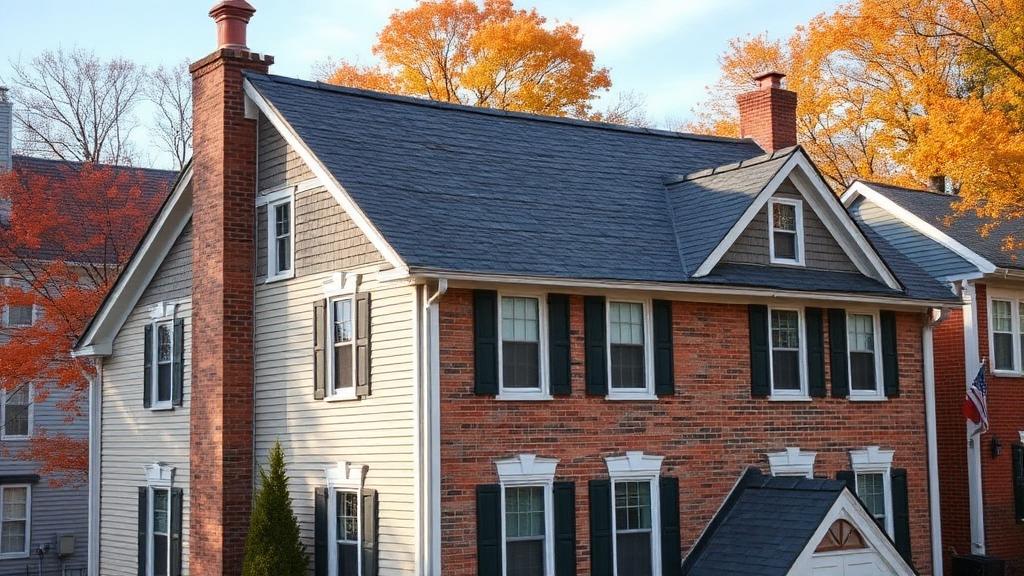
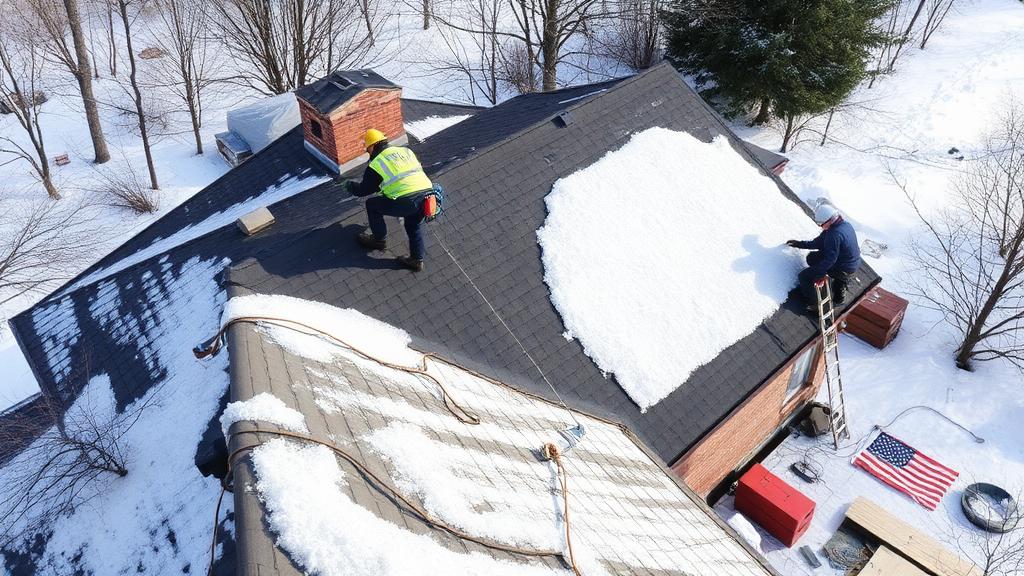
Boston's New England climate brings nor'easters, ice storms, and dramatic seasonal changes that test roofing systems. Historic architecture adds complexity to many replacement projects in this centuries-old city.
Boston Climate Challenges
Nor'easters: Major storms bring heavy snow, ice, and powerful winds.
Ice and Snow: Average 48 inches of snow annually with frequent ice events.
Coastal Exposure: Waterfront areas face salt air and intense storms.
Hot Summers: Humidity and heat stress roofing materials during summer months.
Essential New England Protection
Ice and Water Shield: Extended coverage prevents ice dam leaks—critical in Boston.
High-Wind Ratings: Nor'easter winds require enhanced installation methods.
Quality Underlayment: Synthetic underlayment provides superior moisture protection.
Proper Ventilation: Prevents ice dams and extends roof life.
Popular Boston Roofing Materials
Architectural Shingles: The standard residential choice with proper underlayment.
Slate Roofing: Historic choice for Boston's traditional architecture.
Metal Roofing: Sheds snow effectively; modern options suit contemporary homes.
Cedar Shingles: Traditional New England aesthetic for appropriate properties.
Boston Replacement Costs 2026
Current market pricing:
- Architectural Shingles: $12,000-$22,000
- Metal Roofing: $18,000-$34,000
- Slate Roofing: $30,000-$60,000
- Cedar Shingles: $20,000-$35,000
Higher costs reflect Boston's labor market and material costs.
Massachusetts Contractor Requirements
State Registration: Massachusetts requires contractor registration with OCABR.
Home Improvement Contractor: Roofing contractors must hold HIC registration.
Insurance: Liability insurance required; workers comp based on employees.
Finding Boston Roofing Contractors
Registration Verification: Verify at mass.gov contractor registry.
New England Experience: Ensure contractors understand nor'easter preparation.
Historic Expertise: For older homes, verify experience with period-appropriate materials.
References: Request Boston-area project references.
Historic District Considerations
Boston Landmarks Commission: Approval required in designated districts.
Back Bay, Beacon Hill: Strict architectural guidelines affect material choices.
Period-Appropriate Materials: Slate or approved alternatives may be required.
Permit Requirements
City of Boston ISD: Inspectional Services Department requires permits.
Historic Review: Additional review for designated properties.
Inspections: Multiple inspections ensure code compliance.
Ice Dam Prevention Strategies
Extended Ice Shield: 6+ feet of ice and water membrane in snow country.
Ventilation Balance: Proper intake and exhaust prevents warm attics.
Insulation Upgrade: During replacement, upgrade insulation if possible.
Heated Cables: For problem areas, consider heating cable installation.
Timing Your Boston Project
Optimal Windows: Late spring through early fall offers best conditions.
Winter Challenges: Cold limits adhesive performance; emergency work still possible.
Storm Season: Monitor nor'easter forecasts during shoulder seasons.
Coastal Considerations
Salt Air: Waterfront properties need corrosion-resistant materials and fasteners.
Wind Exposure: Enhanced wind ratings for exposed coastal locations.
Storm Surge Areas: Additional waterproofing for flood-prone properties.
Conclusion
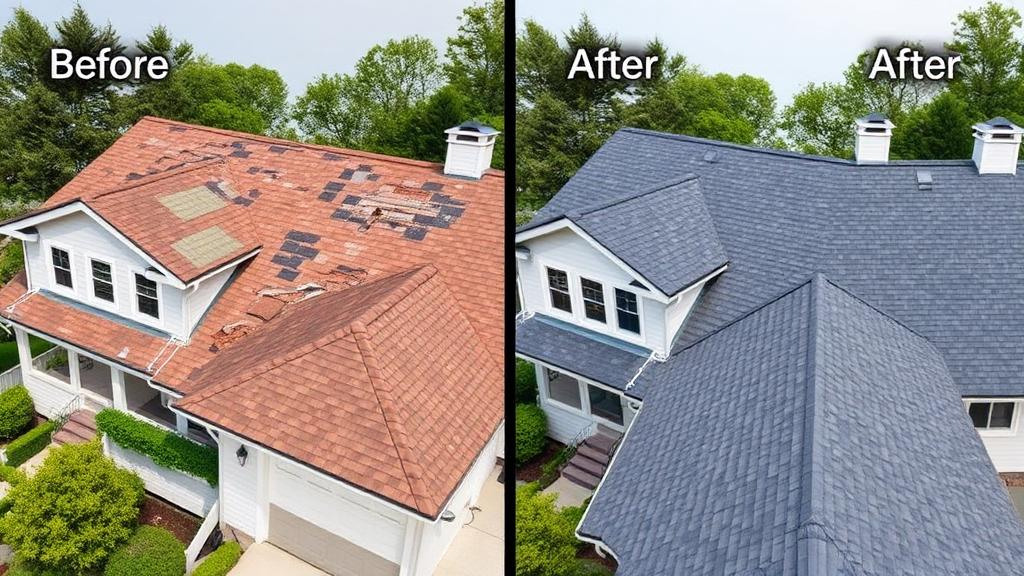
Boston roof replacement requires addressing New England's severe weather while respecting the city's historic character. Quality installation with enhanced ice dam protection ensures long-term performance. Work with Massachusetts-registered contractors experienced in New England conditions.
Find Boston roofing contractors for nor'easter-ready replacement options.