Winter Roof Replacement: What You Need to Know About Cold Weather Roofing
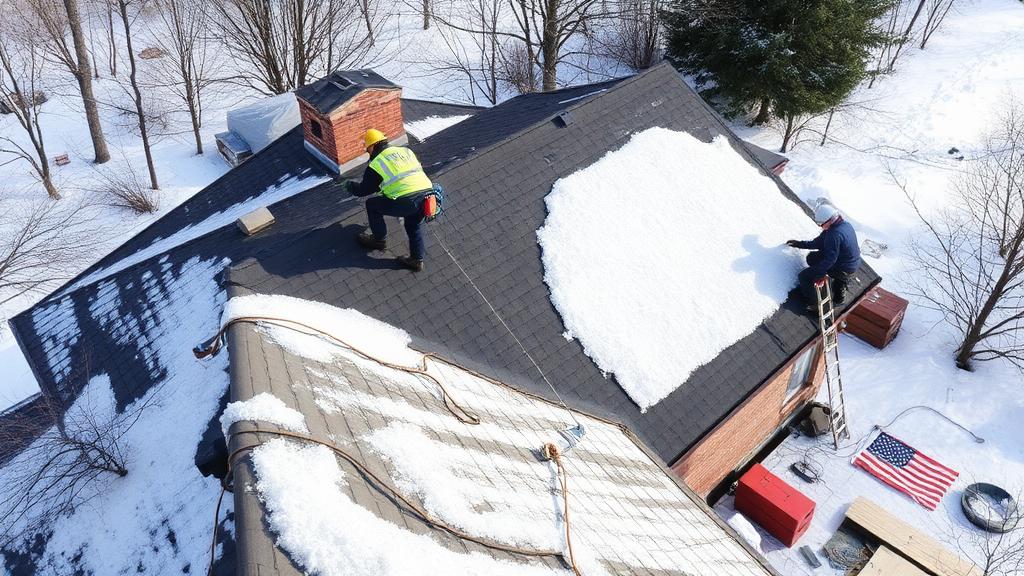
Winter roof replacement is possible and sometimes necessary, but requires special considerations to ensure quality installation. Understanding the challenges, limitations, and proper techniques for cold weather roofing helps you make informed decisions about timing and expectations.
Can You Replace a Roof in Winter?
The short answer is yes, with important caveats.
Winter Replacement Is Possible When:: - Temperatures stay above 40°F during installation - Proper cold-weather techniques are used - Experienced crews handle the work - Weather windows are planned carefully
Winter Replacement May Be Necessary When:: - Storm damage requires immediate attention - Leaks are causing ongoing damage - Home sale deadlines require completion - Waiting until spring isn't viable
Ideal vs. Acceptable Conditions:: - Ideal: 45-85°F, dry, calm winds - Acceptable: 35-45°F with proper precautions - Challenging: Below 35°F (requires special handling) - Inadvisable: Below 25°F, active precipitation
Why Temperature Matters
Cold affects roofing materials and installation quality.
Asphalt Shingle Concerns:: - Shingles become brittle below 40°F - Increased risk of cracking during handling - Self-sealing adhesive doesn't activate - Hand sealing required for proper adhesion
Underlayment Challenges:: - Ice and water shield needs warmth to seal - Synthetic underlayment stiffens - Proper overlap becomes critical - Adhesion may be compromised
Installation Difficulties:: - Cold affects worker dexterity - Shortened daylight hours - Weather delays more common - Material handling more challenging
For general ventilation importance, see our ventilation guide.
Cold Weather Roofing Techniques
Professional contractors use specific methods for winter work.
Material Handling:: - Store materials in heated areas - Bring shingles to installation area in small batches - Handle shingles carefully to prevent cracking - Keep sealant strips protected from cold
Installation Practices:: - Hand-seal all shingles with roofing cement - Apply additional sealant at critical areas - Work during warmest part of day - Complete sections before stopping
Crew Management:: - Shorter work periods with warming breaks - Additional safety precautions for icy conditions - Experienced cold-weather crews essential - Proper clothing and safety equipment
Material Considerations for Winter Installation
Some materials perform better in cold weather.
Better Cold Weather Options:: - Architectural shingles (more flexible) - Metal roofing (temperature independent) - Single-ply membranes (some types) - Synthetic underlayment (handles cold better)
More Challenging in Cold:: - 3-tab shingles (more brittle) - Standard ice and water shield - Some self-adhered products - Wood shakes (splitting risk)
Material Preparation:: - Condition materials at 50°F+ before installation - Transport in enclosed, heated vehicles - Minimize cold exposure before installation - Store properly on job site
Cost Implications of Winter Roofing
Cold weather can affect project costs.
Potential Additional Costs:: - Hand sealing labor (adds time) - Material warming requirements - Weather delay contingencies - Specialized crew premium
Potential Savings:: - Off-season pricing available - Better contractor availability - Reduced scheduling delays - No competition with storm season
Net Cost Impact:: Winter replacement may cost 5-15% more, but availability and scheduling benefits sometimes offset the premium.
Quality Assurance in Winter
Ensuring quality work in challenging conditions.
Pre-Installation Verification:: - Temperature monitoring plan - Material conditioning confirmed - Crew experience verified - Weather forecast reviewed
During Installation:: - Regular quality checks - Hand sealing verification - Proper overlap confirmation - Immediate issue correction
Post-Installation:: - Inspection when weather allows - Seal activation verification in spring - Any needed corrections addressed - Documentation maintained
When to Wait for Spring
Some situations warrant delaying replacement.
Consider Waiting When:: - Persistent temperatures below 35°F - Extended precipitation forecast - Non-urgent situation (no active leaks) - Budget allows for temporary repairs - Contractor recommends delay
Emergency Repairs Instead:: - Tarping damaged areas - Temporary patches - Interior protection measures - Monitoring until spring
Spring Timing:: Ideal replacement season typically begins in late March to early April depending on your region.
Scheduling and Weather Windows
Successful winter replacement requires careful planning.
Weather Monitoring:: - Extended forecasts for scheduling - Flexible start dates - Backup dates identified - Daily go/no-go decisions
Optimal Timing:: - Midday starts when possible - 3-5 day dry windows preferred - Temperature climbing, not falling - Wind speed considerations
Communication:: - Clear expectations about potential delays - Daily weather assessments - Prompt notification of changes - Flexible scheduling arrangements
Regional Considerations
Climate zones affect winter roofing viability.
Northern Climates:: - Limited winter work window - December-February often too cold - Early winter or late winter better - Spring backlog consideration
Mid-Atlantic/Midwest:: - Variable conditions - Temperature swings common - More viable work windows - Weather monitoring essential
Southern Climates:: - Winter often ideal - Cooler temps than summer - More consistent conditions - Less impact on pricing
Coastal Areas:: - Moisture concerns - Wind considerations - Temperature often mild - Specific local patterns
Insurance and Emergency Replacements
Winter emergencies require immediate action.
Storm Damage Scenarios:: - Document damage immediately - Contact insurance promptly - Get professional assessment - Temporary protection essential
Insurance Timing:: - Claims can be filed any time - Replacement should address damage promptly - Waiting too long may complicate claims - Document decisions to delay
For insurance guidance, see our insurance claim guide.
Preparing Your Home for Winter Replacement
Specific preparations help projects succeed.
Property Preparation:: - Clear snow and ice from work areas - Ensure driveway access for deliveries - Protect heated exterior outlets - Plan for noise during work
Interior Preparation:: - Protect attic access areas - Cover sensitive items below - Prepare for temperature fluctuations - Plan for potential delays
Questions for Your Contractor
Address winter-specific concerns before hiring.
Experience Questions:: - How many winter roofs have you installed? - What temperature limitations do you set? - How do you handle hand sealing? - What's your weather delay policy?
Process Questions:: - How will you condition materials? - What additional steps do you take in cold? - How do you verify seal activation? - What happens if weather prevents completion?
Conclusion
Winter roof replacement is viable with proper planning, experienced contractors, and appropriate techniques. While spring and fall remain ideal seasons, waiting isn't always possible or practical. Understanding cold weather challenges and solutions helps you make informed decisions about timing and ensures quality results regardless of season.
Ready to discuss winter roof replacement options? Find qualified local contractors with cold weather experience.