Roof Replacement in New York City: Urban Roofing Solutions
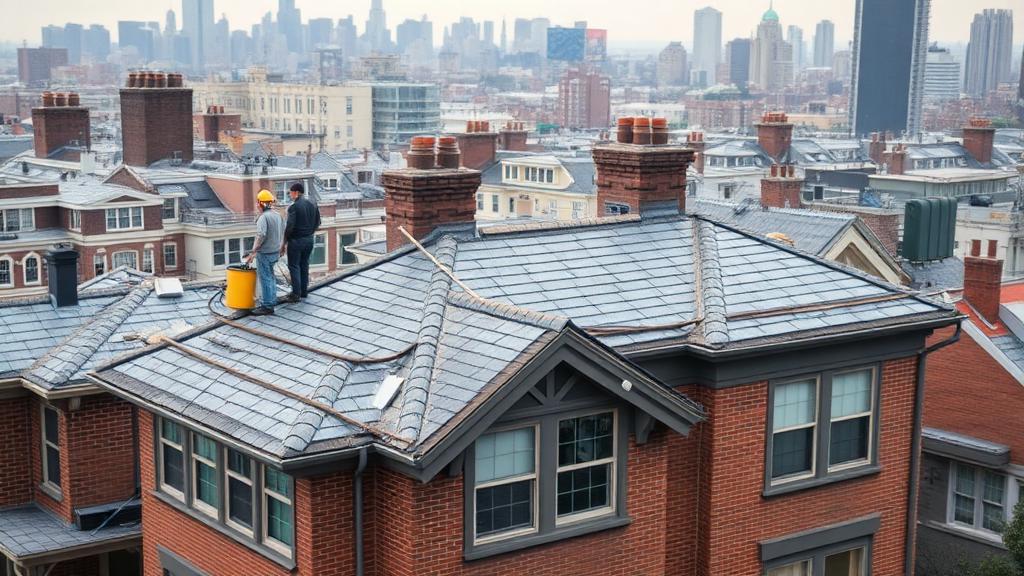
New York City's dense urban environment creates unique roofing challenges. From flat-roofed brownstones to high-rise buildings, understanding NYC's specific requirements ensures successful replacement projects.
NYC Roofing Landscape
Predominant Flat Roofs: Most NYC buildings feature flat or low-slope roofs requiring specialized systems.
Historic Considerations: Many buildings fall under Landmarks Preservation Commission jurisdiction.
Access Challenges: Dense urban settings complicate material delivery and debris removal.
Building Department Requirements: NYC DOB has specific roofing regulations.
Flat Roof System Options
TPO Membrane: Cost-effective, energy-efficient option increasingly popular in NYC.
EPDM Rubber: Long-standing NYC favorite with proven durability.
Modified Bitumen: Traditional choice offering reliable waterproofing.
Built-Up Roofing (BUR): Time-tested system for commercial and larger residential.
Green Roofs: Growing trend in NYC for environmental and aesthetic benefits.
NYC Roofing Costs 2026
Urban premiums affect pricing:
- TPO/EPDM Membrane: $8-$14 per square foot
- Modified Bitumen: $7-$12 per square foot
- BUR Systems: $9-$15 per square foot
- Green Roofs: $15-$30+ per square foot
Access difficulties and disposal costs add to NYC pricing.
NYC Building Code Requirements
Energy Code: NYC Energy Conservation Code affects roofing choices.
Cool Roof Requirements: Local Law 94 requires highly reflective roofing or green roofs.
Fire Ratings: All materials must meet NYC fire resistance requirements.
Parapet Requirements: Specific requirements for roof edges and parapets.
DOB Permit Process
Permit Applications: All roof work requires NYC Department of Buildings permits.
Licensed Contractors: Only NYC-licensed contractors can file permits.
Inspections: DOB inspections verify code compliance.
Landmark Review: LPC approval required in designated districts.
Finding NYC Roofing Contractors
NYC License Required: Verify Home Improvement Contractor license.
Insurance Requirements: Substantial liability coverage essential for NYC work.
Reference Verification: Request NYC project references.
Access Experience: Ensure contractors can navigate urban logistics.
Borough-Specific Considerations
Manhattan: Highest costs, most complex logistics, frequent landmark considerations.
Brooklyn: Many brownstones with flat roofs requiring careful membrane work.
Queens: Mix of building types with varying access conditions.
Bronx/Staten Island: Generally easier access with more competitive pricing.
Winter Considerations
Cold Weather Installation: Modified bitumen and some membranes install in cold weather.
Snow Load: NYC codes account for snow load requirements.
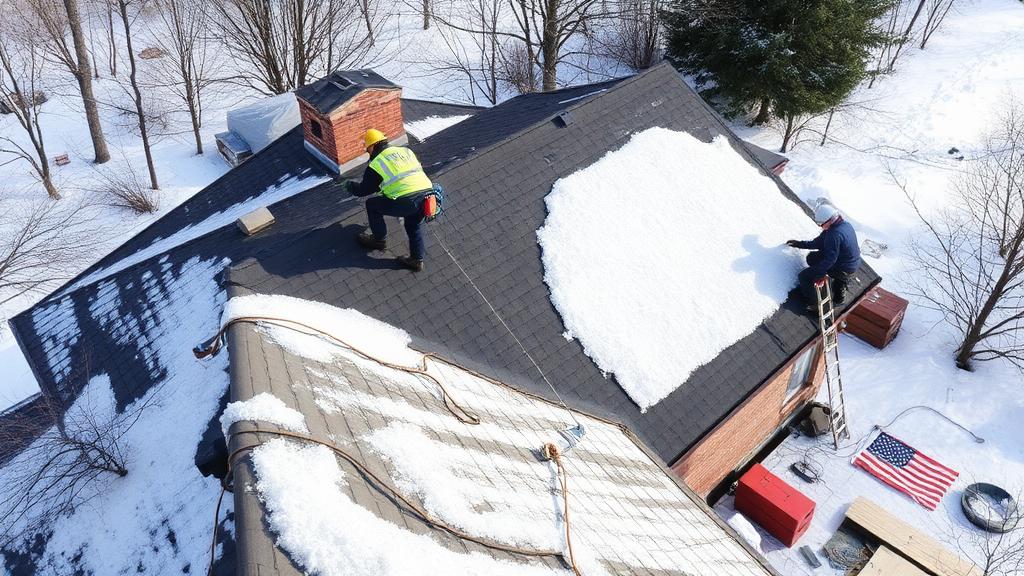
Ice Dam Prevention: Proper insulation and drainage prevent ice damage.
Green Roof Opportunities
Local Law 94: Sustainable roofing requirements on new construction and major renovations.
Tax Incentives: NYC offers incentives for green roof installation.
Stormwater Benefits: Green roofs reduce combined sewer overflow issues.
Condo and Co-op Considerations
Board Approval: Building boards must approve contractor selection.
Assessment Planning: Major roof work often requires special assessments.
Coordination: Work must coordinate with building management.
Conclusion
NYC roof replacement requires understanding the city's unique flat roof demands, building codes, and urban logistics. Work with NYC-licensed contractors experienced in your building type and neighborhood conditions.
Find NYC roofing contractors for urban roof replacement solutions.