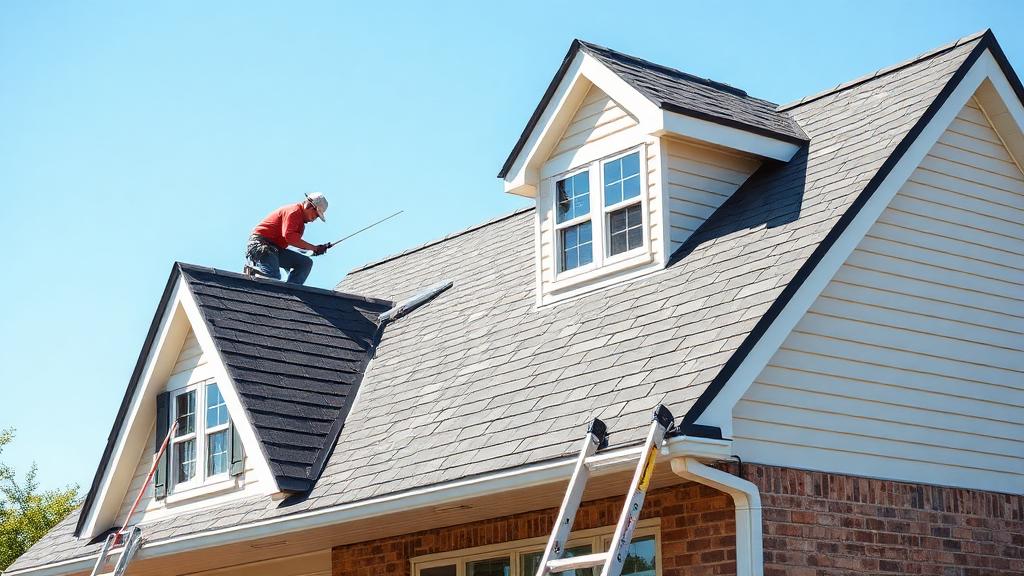
Roofing Labor Costs Explained: What You're Really Paying For
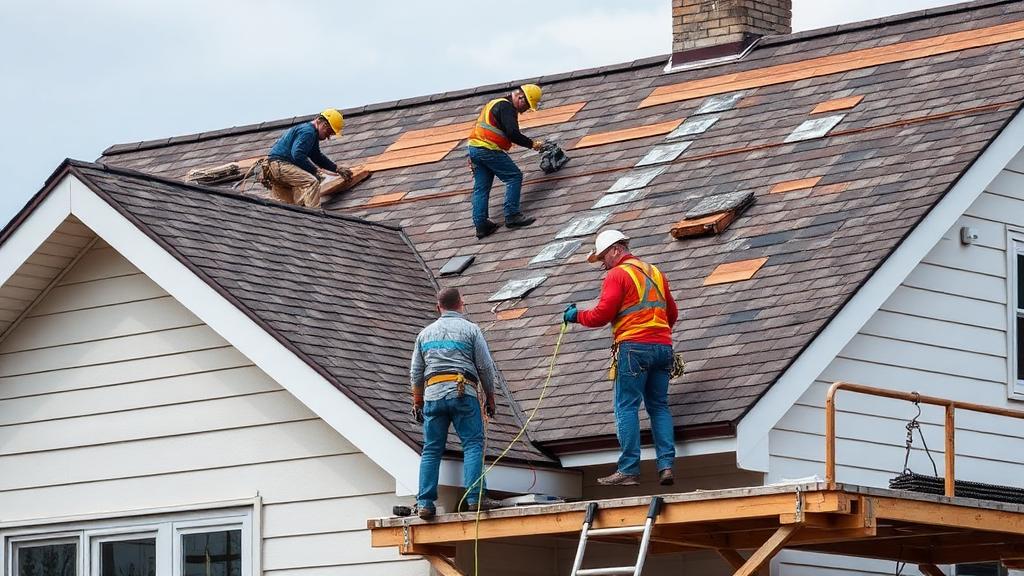
Roofing labor typically represents 40-60% of your total project cost—yet many homeowners don't understand what they're paying for. This comprehensive guide explains roofing labor costs, what affects pricing, and why paying for quality installation protects your investment for decades.
Understanding Roofing Labor Costs
Professional roofing labor costs $1.50-$6.00 per square foot for installation alone, depending on material type, roof complexity, and regional factors. For a typical 2,000 square foot roof, labor ranges from $3,000 to $12,000.
Labor Cost by Material Type:
| Roofing Material | Labor Cost/Sq Ft | Labor for 2,000 Sq Ft |
|---|---|---|
| 3-Tab Shingles | $1.50-$2.50 | $3,000-$5,000 |
| Architectural Shingles | $2.00-$3.50 | $4,000-$7,000 |
| Metal Panels | $3.00-$5.00 | $6,000-$10,000 |
| Standing Seam Metal | $4.00-$7.00 | $8,000-$14,000 |
| [Tile Roofing](/blog/tile-roofing-costs-clay-concrete-slate) | $4.00-$8.00 | $8,000-$16,000 |
| [Slate](/blog/slate-roofing-costs-investment-analysis) | $6.00-$12.00 | $12,000-$24,000 |
Higher-end materials require more skill, time, and specialized techniques, justifying higher labor rates.
What Roofing Labor Includes
Labor costs cover far more than just nailing shingles to your roof.
Pre-Installation Work:: - Safety equipment setup - Material staging and organization - Roof deck preparation - Measurement verification - Protection for landscaping and property
Tear-Off (If Applicable):: - Old roofing removal - Debris handling - Deck inspection - Nail removal/pounding - Surface preparation
Installation Process:: - Underlayment installation - Starter strip application - Main roofing material installation - Flashing integration - Ridge and hip finishing - Penetration sealing - Ventilation integration
Post-Installation:: - Cleanup and debris removal - Final inspection - Quality verification - Customer walkthrough
Supervision and Management:: - Project oversight - Crew coordination - Quality control - Problem-solving
Factors Affecting Labor Rates
Multiple variables influence what you'll pay for roofing labor.
Roof Pitch:: Steeper roofs require additional safety equipment, slow work pace, and increase risk.
| Roof Pitch | Labor Premium |
|---|---|
| 0-4/12 (walkable) | Base rate |
| 5-7/12 (moderate) | +10-15% |
| 8-10/12 (steep) | +20-35% |
| 11-12/12 (very steep) | +35-50% |
| 12/12+ (extreme) | +50-75% |
Roof Complexity:: - Simple gable: Base rate - Hip roof: +10-15% - Multiple dormers: +15-25% - Many valleys: +10-20% - Complex design: +25-50%
Height and Access:: - Single-story: Base rate - Two-story: +10-15% - Three-story: +15-25% - Limited access: +10-20% - Special equipment needs: +15-30%
Existing Roof Condition:: - Single layer removal: Standard - Multiple layer removal: +$0.50-$1.50/sq ft - Damaged decking: Additional repair labor - Mold/water damage: Remediation adds cost
Regional Labor Variations
Labor costs vary significantly across the United States.
High Labor Cost Areas:: - San Francisco Bay Area: +50-80% - New York metropolitan: +40-60% - Boston: +35-50% - Los Angeles: +30-45% - Seattle: +25-40%
Moderate Labor Cost Areas:: - Denver: +10-20% - Chicago: +5-15% - Dallas/Houston: ±10% - Atlanta: ±10% - Phoenix: +5-15%
Lower Labor Cost Areas:: - Rural Midwest: -15-25% - Rural South: -10-20% - Smaller Southwestern cities: -5-15%
These variations reflect local cost of living, contractor availability, and market conditions. Find local contractors for accurate labor rates in your area.
Crew Size and Efficiency
Understanding crew dynamics helps you evaluate quotes and timelines.
Typical Crew Sizes:: - Small repair: 2-3 workers - Standard replacement: 4-6 workers - Large project: 6-10+ workers
Crew Composition:: - Lead installer/foreman: Highest skill, oversight role - Experienced installers: Main production work - Helpers/laborers: Material handling, cleanup
Efficiency Factors:: - Larger crews complete work faster but cost more per day - Smaller crews take longer but may cost less total - Optimal crew size balances speed with efficiency - Weather conditions affect daily productivity
Labor Quality Differences
Not all roofing labor is equal. Quality differences significantly impact long-term performance.
Characteristics of Quality Labor:: - Proper installation technique - Attention to detail at seams and edges - Correct flashing integration - Appropriate ventilation installation - Clean, organized work process - Thorough cleanup
Signs of Poor Labor:: - Rushed, sloppy installation - Visible alignment issues - Improper nail placement - Exposed or missing sealant - Debris left behind - Reluctance to address concerns
Long-Term Impact:: Quality installation can add 20-30% to roof lifespan compared to poor installation of the same materials. A $2,000 savings on labor that costs $10,000 in premature replacement is no savings at all.
DIY vs. Professional Labor
Some homeowners consider DIY roofing to save labor costs. Understanding the trade-offs is essential.
DIY Potential Savings:: - Labor cost reduction: $3,000-$15,000 - But: Material costs remain - But: Longer project timeline - But: Equipment rental needed
DIY Risks:: - Personal injury (roofing is dangerous) - Improper installation causing leaks - Voided material warranties - Building code violations - Hidden damage missed - Significantly more time required
DIY Realistic Assessment:: For most homeowners, professional installation provides better value when considering: - Time invested - Risk assumed - Quality achieved - Warranty protection - Stress avoided
Paying for Expertise
Roofing contractors price labor to cover skilled worker compensation, training, and business operations.
What Contractor Labor Rates Cover:: - Worker wages and benefits - Workers' compensation insurance - General liability insurance - Training and certification - Equipment and tools - Vehicle and transportation - Administrative overhead - Profit margin
Industry Worker Compensation:: - Entry-level laborers: $14-$20/hour - Experienced installers: $20-$35/hour - Lead installers/foremen: $30-$50/hour - Specialists (slate, tile): $40-$70/hour
Contractors typically charge 2-3× worker wages to cover insurance, overhead, and profit.
Evaluating Labor in Quotes
When reviewing roofing quotes, assess labor value carefully.
Compare Labor Portions:: If quotes separate labor and materials, compare labor costs directly. Significant variation may indicate: - Different crew experience levels - Different time estimates - Different scope understanding - Quality differences expected
Questions About Labor:: - Who will supervise the installation? - What is the crew's experience with this material? - How many workers will be assigned? - What is the expected timeline? - What quality control do you perform?
Red Flags:: - Labor cost significantly below market rates - Reluctance to discuss crew qualifications - No mention of supervision - Timeline that seems unrealistically fast - High pressure to sign immediately
Seasonal Labor Considerations
Time of year affects labor availability and pricing.
Peak Season (Late Spring - Fall):: - Highest demand for workers - Premium pricing possible - Best weather conditions - Longer scheduling wait
Off-Season (Winter - Early Spring):: - Lower demand - Potential discounts - Shorter scheduling wait - Weather delay risk higher
If timing is flexible, scheduling during shoulder seasons may reduce labor costs while still getting quality installation.
Warranty and Labor Value
Labor quality directly affects warranty value.
Workmanship Warranties:: - Quality contractors: 5-15 year labor warranties - Budget contractors: 1-2 year warranties or none - Strong warranty = confidence in work
Material Warranties:: Manufacturer warranties often require certified installer labor. Using uncertified installers may void coverage.
Warranty Considerations:: - What does the labor warranty cover? - How do you file claims? - Will the company be around to honor it? - Is the warranty transferable?
Making the Right Investment
Understanding labor costs helps you invest wisely in your roof.
Worth Paying More For:: - Experienced crews with quality track records - Certified installers for premium materials - Strong workmanship warranties - Proper supervision and quality control - Contractor stability and reputation
Not Worth Paying For:: - Brand name alone without substance - Excessive overhead in pricing - Unnecessary services or upgrades - Premium pricing without premium delivery
Finding Balance:: The goal is fair pricing for quality work—not the cheapest option or the most expensive. Get multiple quotes, verify contractor credentials, and choose value over pure price.
Conclusion
Roofing labor represents a significant investment, but understanding what you're paying for helps you evaluate quotes intelligently. Quality installation by experienced professionals protects your home for decades, while cut-rate labor often leads to expensive problems. Invest in skilled labor, verify contractor qualifications, and remember that the cheapest quote rarely delivers the best long-term value.
Ready to find quality roofing contractors? Connect with verified local professionals who deliver the skilled labor your roof deserves.