Seattle Roof Maintenance Guide: Protecting Your Home in the Rain Capital
Roof Maintenance in Seattle: Your Guide to Surviving the Rain
Seattle receives an average of 152 rainy days per year and 37 inches of annual rainfall. While that's less total rainfall than many East Coast cities, the relentless drizzle, persistent cloud cover, and high humidity create a uniquely challenging environment for roofing systems. Moss, algae, moisture intrusion, and organic debris are constant threats that demand proactive maintenance.
This guide is specifically tailored for Seattle-area homeowners—covering the maintenance schedules, common problems, and proven solutions that work in the Pacific Northwest climate.
Understanding Seattle's Climate Impact on Roofs
The Moisture Factor
Seattle's climate creates several roofing challenges:
- 152 rainy days per year: Continuous moisture exposure tests every seam, flashing, and penetration
- High humidity: Even when it's not raining, humidity levels of 70–85% keep surfaces damp
- Mild temperatures: Rarely freezing, which means moss and algae grow year-round (they go dormant below 32°F in colder climates)
- Limited UV exposure: Reduced sunlight means surfaces stay wet longer, promoting organic growth
- Wind-driven rain: Puget Sound wind patterns push rain horizontally, testing vertical joints and wall-to-roof transitions
Common Seattle Roof Problems
- Moss and algae growth (the #1 issue)
- Gutter overflow and clogging from heavy tree debris
- Flashing failures at chimneys and wall transitions
- Wood rot in fascia, soffits, and exposed rafters
- Attic moisture and condensation
- Skylight leaks (common in many Seattle-area homes)
The Seattle Roof Maintenance Calendar
January – February: Post-Holiday Inspection
After the heaviest rain months, conduct a thorough interior and exterior check:
- Interior attic inspection: Look for new water stains, condensation on rafters, and musty odors
- Gutter check: Clean out leaves and debris from fall/winter storms
- Downspout flow test: Run water through each downspout to verify clear drainage
- Exterior visual scan: Binoculars from ground level to spot missing or displaced shingles
March – April: Spring Deep Maintenance
This is your most important maintenance window—before the brief dry season:
- Professional moss treatment: Apply zinc or copper-based moss killer to established growth
- Install zinc or copper strips along ridgelines if not already present (creates moss-inhibiting runoff)
- Clear all debris from valleys, behind chimneys, and around penetrations
- Inspect and re-caulk all roof penetrations (vent pipes, exhaust fans, satellite dish mounts)
- Check chimney flashing and cricket (the small diversion structure behind the chimney)
- Trim tree branches to maintain 6+ feet clearance from the roof surface
May – June: Pre-Summer Preparation
Take advantage of Seattle's driest months:
- Schedule any needed repairs during the dry window (May–September)
- Power wash gutters and clean gutter guards if installed
- Inspect soffit vents for blockage from nesting birds or debris
- Check attic ventilation is adequate for summer heat (even Seattle gets warm days)
July – August: Dry Season Maintenance
The best time for major work:
- Schedule professional roof inspections (easier and safer in dry conditions)
- Address any repairs identified in spring inspections
- Re-coat flat roof sections if applicable
- Check and repair skylight seals
- Paint or seal exposed wood (fascia, rake boards, trim)
September – October: Fall Preparation
Prepare for the rainy season:
- Comprehensive gutter cleaning after leaf fall (this is critical in Seattle's tree-heavy neighborhoods)
- Install or check gutter guards (micro-mesh type recommended for fine Northwest debris)
- Apply preventive moss treatment before wet season accelerates growth
- Verify all repairs from summer are completed
- Check attic for any signs of summer condensation or critter intrusion
November – December: Storm Watch
During the heaviest weather:
- Post-storm inspections after significant wind events (check for wind-lifted shingles)
- Monitor gutters for overflow during heavy rain (indicates blockage or capacity issues)
- Watch for interior leak signs during sustained rain periods
- Clear drain outlets near flat roof sections or low-slope areas
Moss Prevention and Treatment
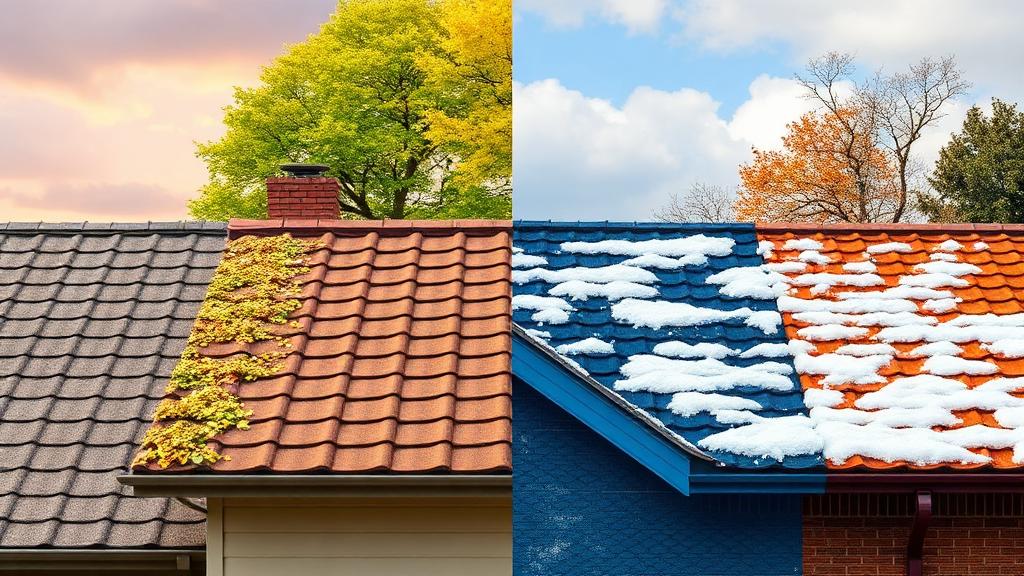
Why Moss Is Seattle's #1 Roof Enemy
Moss thrives in Seattle's climate because:
- Constant moisture keeps moss hydrated
- Shaded roof sections (north-facing, under trees) provide ideal growing conditions
- Moss roots (rhizoids) work beneath shingles, lifting them and allowing water intrusion
- Left unchecked, moss holds moisture against the roof surface, accelerating decay
Prevention Methods
1. Zinc or Copper Ridge Strips ($100–$300 installed) Metal strips installed along the ridge release trace amounts of metal oxide when it rains, creating a hostile surface for moss growth. This is the most effective long-term prevention for Seattle roofs.
2. Preventive Chemical Treatment ($200–$500 per application) Professional-grade zinc sulfate or potassium salt treatments applied annually in early spring or late fall.
3. Tree Trimming ($300–$1,000) Reducing shade on the roof surface is one of the most effective—and most overlooked—moss prevention strategies. More sunlight = faster drying = less moss.
4. Improving Roof Ventilation Better airflow across the roof surface reduces moisture retention.
Moss Removal Methods
Safe methods:: - Chemical treatment and wait: Apply moss killer, wait 2–4 weeks for moss to die, then gently brush away with a soft-bristle broom. This is the safest method. - Professional soft wash: Low-pressure cleaning (under 1,000 PSI) with biodegradable cleaning solutions.
Methods to AVOID:: - Pressure washing shingles: High-pressure water blasts off protective granules and shortens shingle life by 5–10 years. Never pressure wash asphalt shingles. - Aggressive scraping: Can tear shingles and break seals. - Bleach-based cleaners: While effective on moss, chlorine bleach damages shingle chemistry and kills surrounding vegetation.
Cost for professional moss removal:: $300–$800 for a typical Seattle-area home.
Gutter Maintenance in Seattle
Gutters are arguably more critical in Seattle than anywhere else in the country. When gutters fail, water cascades directly against the foundation, fascia, and siding—all of which degrade rapidly in Seattle's moisture-rich environment.
Gutter Cleaning Schedule
- Minimum: Twice per year (fall and spring)
- Recommended: Three times per year (fall, late winter, spring)
- Homes under trees: Four times per year or install gutter guards
Gutter Guard Recommendations for Seattle
| Type | Pros | Cons | Cost (per linear foot) |
|---|---|---|---|
| Micro-mesh | Blocks fine debris, pine needles | Requires periodic surface cleaning | $8–$15 |
| Reverse curve | Handles heavy rain flow | Can miss fine debris | $6–$12 |
| Foam insert | Easy DIY install | Deteriorates in 3–5 years | $2–$4 |
| Brush style | Inexpensive, easy install | Traps fine debris within bristles | $3–$5 |
Our recommendation:: Micro-mesh guards for Seattle homes. They handle the fine organic debris (pine needles, helicopter seeds, moss fragments) that clogs other guard types.
Downspout Extensions
Ensure downspouts discharge water at least 6 feet from your foundation. In Seattle's saturated soil conditions, this is critical for preventing basement moisture and foundation issues.
Skylight Maintenance
Seattle-area homes have a higher-than-average skylight installation rate (natural light is precious in the Pacific Northwest). Skylights are also a common leak source:
- Inspect gaskets and seals annually (late summer is ideal)
- Clear debris from the uphill curb where leaves and needles accumulate and dam water
- Check weep holes for blockage (small drainage channels designed to redirect water)
- Replace cracked or hazed glazing to maintain UV protection and prevent frame deterioration
When to Call a Professional in Seattle
Schedule a professional inspection if you notice:
- Active leaks during rain
- Moss growth thicker than ½ inch across large areas
- Sagging gutters pulling away from the fascia
- Dark streaks or staining on exterior walls below the roofline
- Musty odors in upstairs rooms or the attic
- Your roof is over 20 years old and hasn't been professionally inspected recently
A professional inspection in the Seattle area typically costs $200–$500 and can identify issues that save thousands in premature replacement costs.
Find Seattle Roofing Professionals
Looking for experienced roofers who understand Pacific Northwest roofing challenges? Search our directory of verified Seattle-area roofing contractors to find pros who specialize in moss treatment, leak repair, and rain-climate roofing maintenance.