Solar Shingles: The Modern Alternative to Traditional Panels
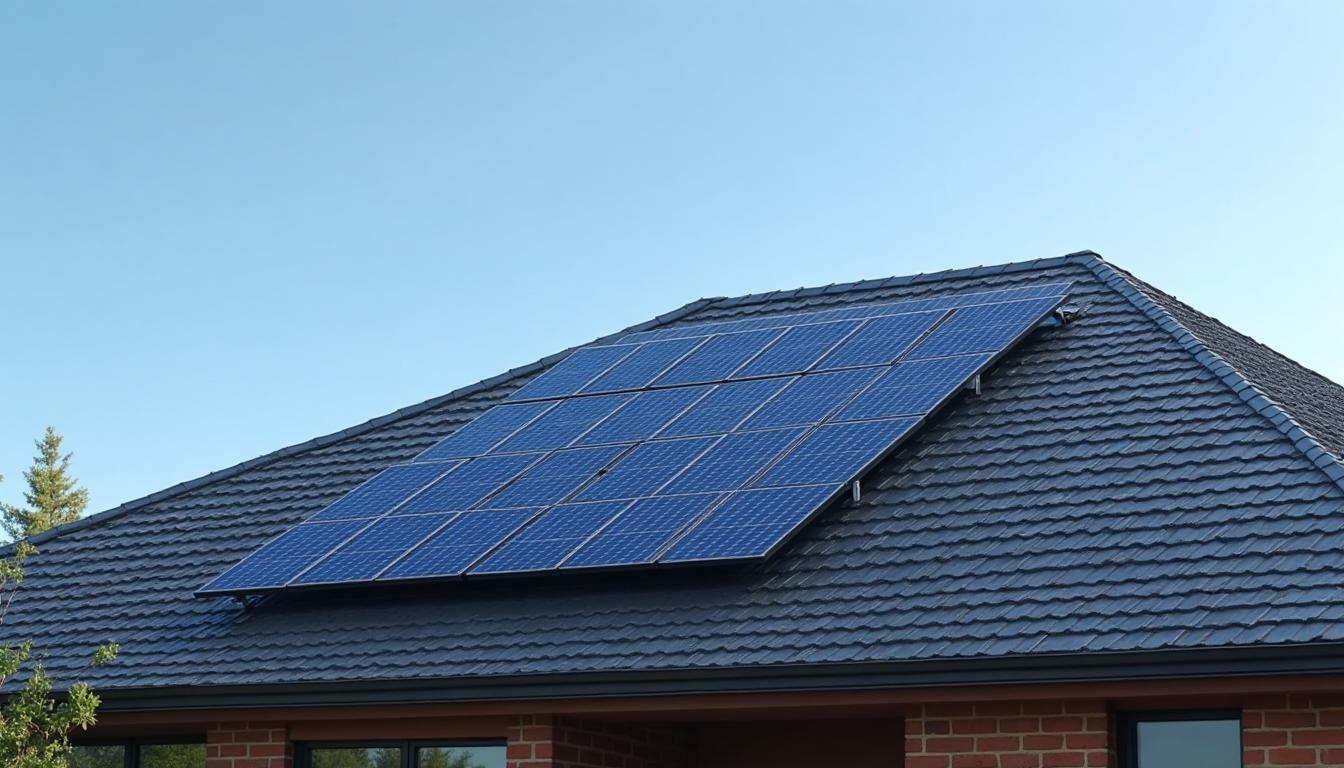
Solar shingles represent the latest evolution in residential solar technology, combining energy generation with building materials for a seamless rooftop appearance. For homeowners who want clean energy without the industrial look of traditional panels, solar shingles offer an increasingly viable alternative.
What Are Solar Shingles?
Solar shingles, also called solar roof tiles or building-integrated photovoltaics (BIPV), are roofing materials with built-in solar cells that generate electricity while functioning as your primary roof covering. Unlike traditional panels that mount above existing shingles on a racking system, solar shingles replace conventional roofing materials entirely.
Each solar shingle contains photovoltaic cells that convert sunlight into electricity, just like traditional panels. The difference lies in packaging: solar shingles are designed as roofing products first, with solar generation integrated into their primary function of weather protection.
This dual purpose means solar shingles must meet both roofing durability standards and solar performance expectations. They must withstand decades of weather exposure including rain, snow, hail, and UV radiation while continuously generating electricity.
How Solar Shingles Differ from Traditional Panels
Understanding the practical differences helps clarify when solar shingles make sense for your situation.
Physical Integration
Traditional solar panels mount on racks installed above your existing roof. This creates a gap between panels and roof surface, allowing airflow that helps cool the panels. The racking system requires roof penetrations for mounting, which must be properly sealed to prevent leaks.
Solar shingles integrate directly into your roof structure. They connect to each other and to conventional shingles that fill non-solar areas of your roof. This integration creates a more uniform appearance but means the solar cells operate at slightly higher temperatures due to direct roof contact.
Performance Comparison
Current solar panel technology achieves 18-22% efficiency for standard monocrystalline cells, with premium panels reaching 22-23%. This efficiency reflects the percentage of sunlight energy converted to electricity.
Solar shingles typically achieve 14-18% efficiency due to size constraints on the cells and slightly higher operating temperatures. This means you need approximately 20-30% more roof coverage with solar shingles to generate equivalent power compared to traditional panels.
| Metric | Solar Panels | Solar Shingles |
|---|---|---|
| Cell efficiency | 18-22% | 14-18% |
| Power per square foot | 15-20 watts | 10-15 watts |
| Operating temperature | Lower (airflow) | Higher (direct mount) |
| Roof coverage needed for 8kW | 400-500 sq ft | 500-650 sq ft |
Aesthetic Impact
The aesthetic difference represents the primary advantage of solar shingles. Traditional panels are clearly visible additions to your roof, with their own visual character that many find acceptable but some consider unappealing.
Solar shingles blend with conventional roofing materials. Depending on the product, they may be virtually indistinguishable from standard shingles when viewed from the street. This matters for homeowners in neighborhoods with strict aesthetic standards or HOAs that have historically resisted visible solar installations.
Leading Solar Shingle Products
Several manufacturers offer solar shingles for residential applications, each with distinct characteristics.
Tesla Solar Roof
Tesla Solar Roof uses glass solar tiles interspersed with matching non-solar glass tiles to create a complete roof covering. The tiles come in various styles designed to mimic the appearance of slate, tile, or smooth architectural shingles.
Key specifications include a 25-year warranty covering both power production and weatherization, Class 3 hail rating and Class A fire rating, integrated Powerwall battery compatibility, and proprietary inverter technology.
Tesla Solar Roof represents the premium end of the market in both cost and aesthetics. Installation is handled through Tesla certified installers, which can limit availability in some markets.
GAF Timberline Solar
GAF, one of the largest roofing manufacturers in North America, offers Timberline Solar Energy Shingles that integrate with their popular Timberline architectural shingle line. These shingles look nearly identical to standard GAF Timberline shingles, making them the most conventional-appearing option.
Features include compatibility with standard roofing installation practices, nailable flange installation similar to regular shingles, 25-year limited warranty, and standard string inverter or microinverter compatibility.
GAF Timberline Solar offers strong appeal for homeowners wanting maximum aesthetic integration with minimal visual distinction from conventional roofs.
CertainTeed Apollo II
CertainTeed Apollo II solar roofing products mount directly to roof decking and integrate with conventional CertainTeed shingles. The system uses a rail-less design that creates a low-profile appearance.
Specifications include 60-watt modules per unit, 25-year power warranty with 80% output guarantee, and Class A fire and Class 4 impact ratings.
CertainTeed brings their extensive roofing industry experience to the solar shingle market, with wide contractor availability through their established roofing dealer network.
Installation Process and Timeline
Solar shingle installation requires expertise in both roofing and electrical work, making it more specialized than either trade alone.
Pre-Installation Requirements
Before installation begins, several requirements must be met. Your roof deck must be structurally sound to support the system weight. Complete removal of existing roofing materials is typically required. Electrical infrastructure for grid interconnection must be planned. Building permits for both roofing and electrical work are necessary.
Installation Steps
A typical solar shingle installation proceeds through these phases:
Days 1-3:: Existing roof tear-off, deck inspection and any needed repairs, and underlayment installation following manufacturer specifications.
Days 4-7:: Solar shingle installation beginning at the eaves and working up the roof, with electrical connections made as each course is completed.
Days 8-10:: Installation of transition areas between solar and conventional shingles, ridge cap installation, and initial electrical testing.
Days 11-14:: Inverter installation, monitoring system setup, electrical inspection, and utility interconnection coordination.
Total installation time runs 1-2 weeks for most residential projects, longer than traditional panel installation due to the integrated roofing work.
Cost Analysis and Value Proposition
Solar shingle costs exceed traditional panels when evaluated purely as solar installations, but the comparison changes when roof replacement is already needed.
Direct Cost Comparison
Current pricing for an average 2,000 square foot roof with 8kW of solar capacity:
| System Type | Estimated Cost | After 30% Tax Credit |
|---|---|---|
| Traditional panels only | $20,000-$28,000 | $14,000-$19,600 |
| Solar shingles (full roof) | $50,000-$70,000 | $35,000-$49,000 |
| Premium asphalt roof + panels | $35,000-$48,000 | $24,500-$33,600 |
When Solar Shingles Make Financial Sense
The solar shingle value proposition strengthens significantly when you were planning to replace your roof anyway. If a quality conventional roof replacement costs $18,000-$25,000, the incremental cost for solar shingles drops to $25,000-$45,000 for integrated power generation plus roofing.
Solar shingles make the most financial sense when your existing roof needs replacement within 5 years, aesthetic requirements preclude traditional panels, you want single-contractor accountability for both roof and solar, and property value and curb appeal are significant priorities.
Is Your Home Right for Solar Shingles?
Several factors determine solar shingle suitability for your specific situation.
Ideal Candidates
Solar shingles work best for homeowners who are already facing roof replacement needs, live in areas with aesthetic requirements or HOA restrictions on panels, value architectural integration over pure cost optimization, want a premium, modern home technology solution, and plan to remain in the home long enough to realize energy savings.
Less Suitable Situations
Consider traditional panels instead if your current roof has 15+ years of remaining life, maximum power production per dollar is your priority, your roof orientation and shading make solar marginally viable, or budget constraints require minimizing upfront investment.
Incentives and Tax Credits
Solar shingles qualify for the same federal and state incentives as traditional solar panels.
Federal Investment Tax Credit
The 30% federal ITC applies to the full cost of solar shingle systems through 2032. For a $60,000 solar roof installation, this provides an $18,000 credit against your federal tax liability.
State and Local Incentives
Many states offer additional incentives that apply to solar shingles. These may include state tax credits, property tax exemptions for added value, sales tax exemptions on equipment, and net metering programs for excess production.
Check your state for specific incentive information.
Conclusion
Solar shingles represent a maturing technology that offers genuine advantages for the right homeowners. While cost premiums remain significant compared to traditional panels, the gap narrows substantially when roof replacement is already needed.
For homeowners who prioritize aesthetics, face HOA restrictions on traditional panels, or simply want the most integrated solar solution available, solar shingles merit serious consideration. As the technology continues to evolve and installation expertise spreads, solar shingles will likely capture an increasing share of the residential solar market.
Ready to explore solar shingles for your home? Find qualified installers experienced with building-integrated photovoltaics through our contractor directory.