How to Integrate Solar with Your Roof Replacement Project
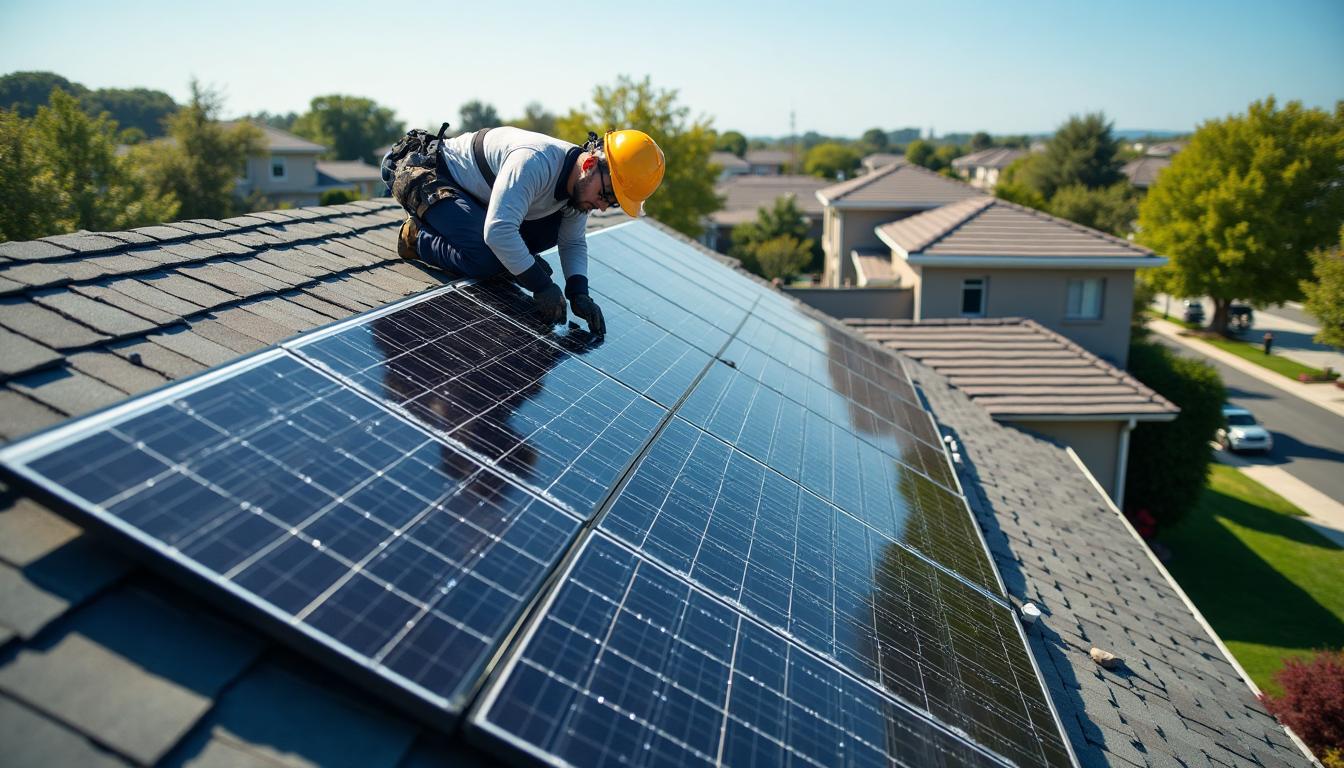
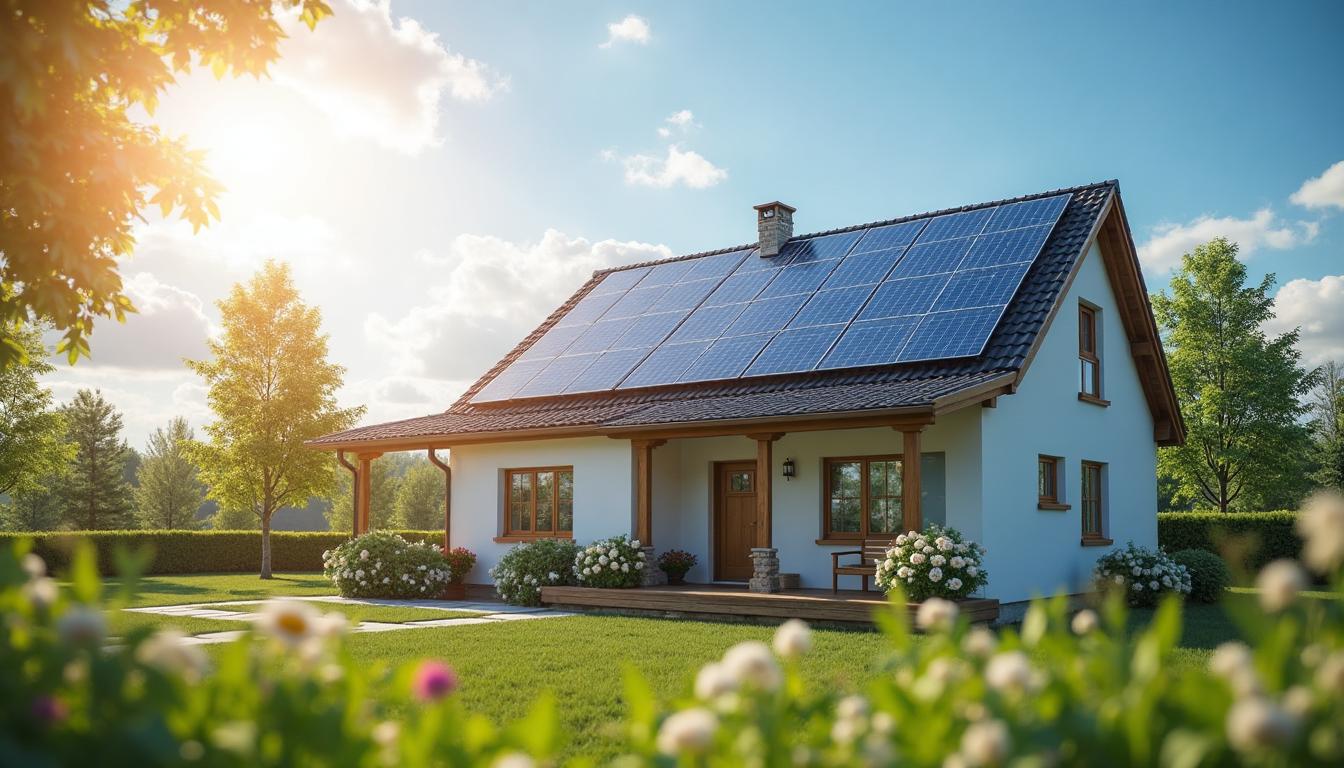
If your roof needs replacement and you have considered solar energy, combining both projects offers significant advantages over tackling them separately. Coordinating roof replacement with solar installation saves money, reduces disruption, and ensures your new roof is optimized for decades of solar production.
Why Combine Roof Replacement with Solar Installation
When roof replacement and solar installation are planned together, you gain multiple benefits that separate projects cannot match. Understanding these advantages helps justify the additional planning required for coordination.
Financial Advantages of Combined Projects
Avoided Double Labor Costs:: Installing solar on an aging roof often creates a costly dilemma. If your roof needs replacement within 5-10 years, you will eventually pay $2,000-$5,000 to remove solar panels, replace the roof, and reinstall the panels. By coordinating projects initially, you eliminate this future expense entirely.
Single Mobilization Cost:: Contractors incur costs for equipment, crew mobilization, and project setup. Combining projects means these overhead costs apply once rather than twice, creating savings that responsible contractors pass along to customers.
Optimized Roof Design:: When planned together, your new roof can be designed specifically for solar performance. This includes optimal structural support for panel weight, strategic placement of vents and pipes away from prime solar areas, roof orientation modifications where architecturally feasible, and enhanced underlayment in panel mounting areas.
Combined Financing Options:: Many lenders offer products covering both roof replacement and solar installation, potentially at better terms than separate financing for each project. This simplifies your financial planning and may reduce overall interest costs.
Practical Benefits
Single Disruption Period:: Rather than enduring construction activity twice, combined projects concentrate disruption into one period. Your family experiences one setup, one cleanup, and one adjustment period.
Coordinated Warranties:: When the same company or coordinated contractors handle both projects, warranty coverage aligns. You avoid disputes about whether roof issues stem from the roofing work or solar installation.
Future-Proof Installation:: New roofing materials installed with solar in mind can include enhancements like reinforced decking where panels mount, and conduit runs planned during construction rather than added later.
Planning Your Combined Project
Successful coordination requires more upfront planning than either project alone, but the effort pays dividends throughout your ownership.
Step 1: Assess Your Current Situation
Before contacting contractors, evaluate your current circumstances honestly.
Roof Assessment Questions:: - How old is your current roof and what is its expected remaining lifespan? - Are you experiencing leaks, visible damage, or other issues? - What is the structural condition of your roof decking? - Does your roof orientation and pitch support good solar production?
Solar Assessment Questions:: - What is your current monthly electricity usage and cost? - Does your roof receive adequate sunlight without significant shading? - What percentage of your usage do you want to offset with solar? - Are you planning to add electric vehicles or other loads in the future?
For detailed roof condition assessment, review our roof inspection guide.
Step 2: Understand Your Integrated Options
Several approaches exist for combining roof and solar work.
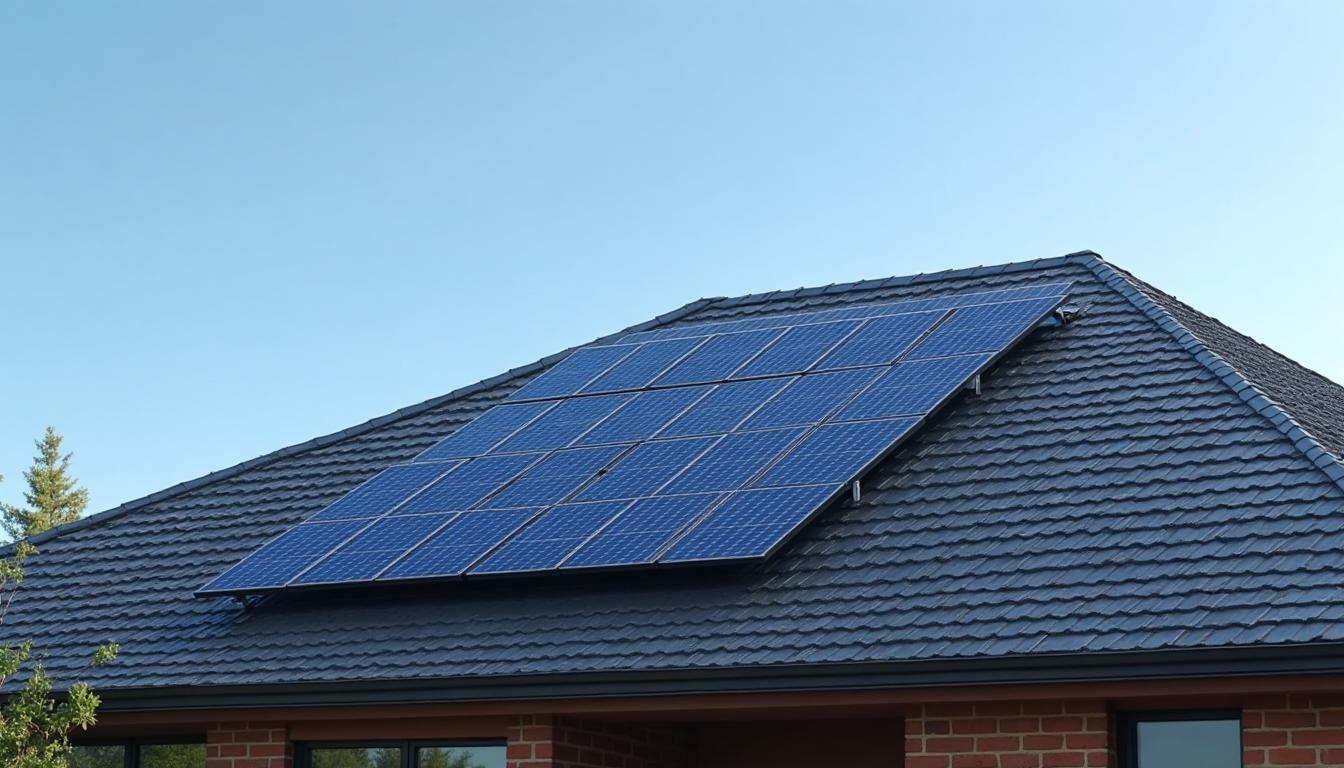
Option A: Traditional Panels on New Roof Install a conventional new roof followed immediately by traditional solar panel installation. This approach offers the widest contractor choice and typically lowest cost, but requires careful coordination between separate roofing and solar crews.
Option B: Solar Shingles Replace your roof with integrated solar shingles that serve as both roofing and power generation. This provides the most seamless appearance but at higher cost and with fewer contractor options.
Option C: Solar-Ready Roof Install a new roof specifically designed for solar, with conduit pre-run, optimal vent placement, and reinforced mounting areas. Solar panels install immediately after or within a planned short timeframe.
Step 3: Get Integrated Quotes
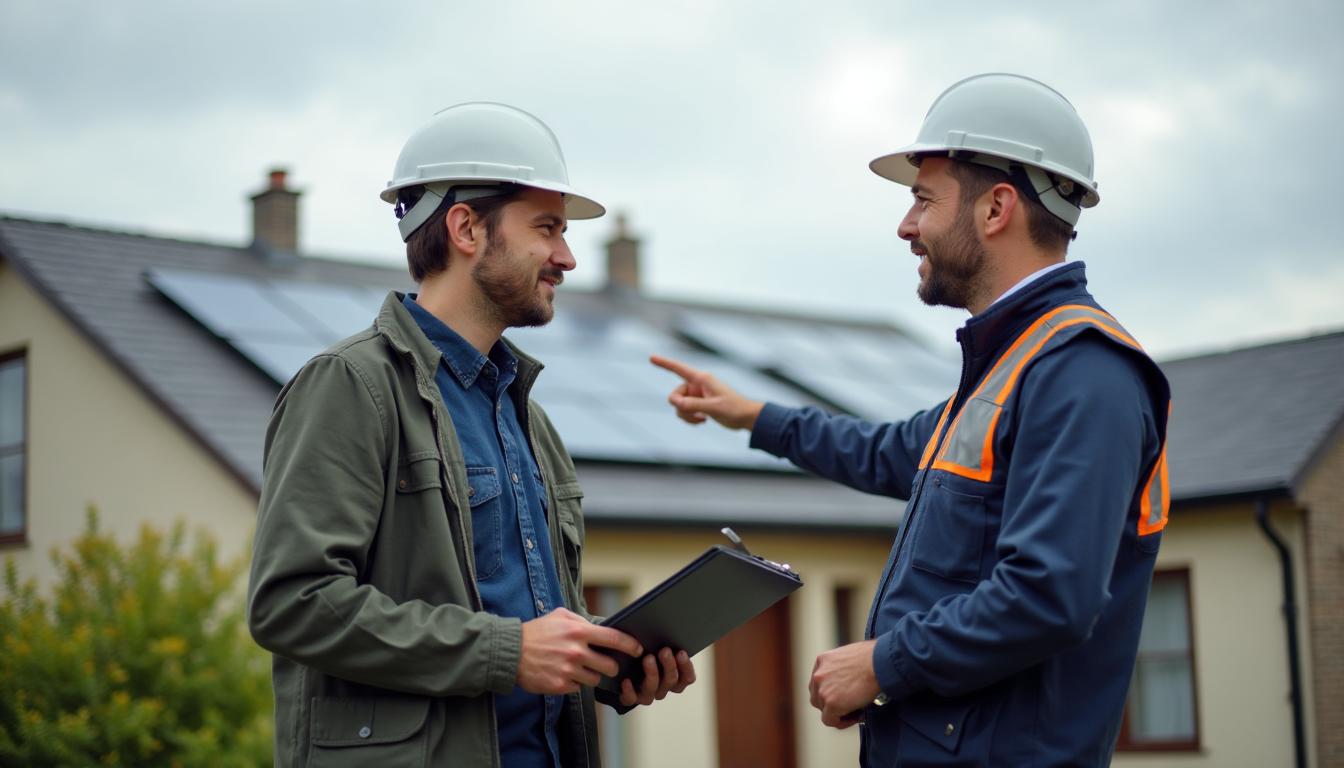
Request quotes that specifically address both roof and solar as an integrated project. Key elements to include in quote requests:
For Roofing Portion:: - Complete tear-off and disposal of existing materials - New underlayment appropriate for solar mounting - Quality roofing materials with 30+ year lifespan - Enhanced flashing and sealing - Warranties covering both materials and workmanship
For Solar Portion:: - System size based on your energy goals - Panel specifications including efficiency and warranty - Inverter type (string, microinverters, or optimizers) - Monitoring system inclusion - Production guarantee if offered
For Integration:: - Coordination plan and timeline - Single point of contact for both projects - Combined warranty or clear warranty delineation - Mounting system appropriate for your roofing material
Choosing the Right Roofing Materials for Solar
Not all roofing materials work equally well with solar installations. Understanding compatibility helps you make informed material choices.
Asphalt Shingles
Asphalt shingles remain the most common roofing material and work well with solar. Key considerations include choosing architectural shingles rated for 30-50 years rather than 3-tab varieties, using quality underlayment that provides secondary weather protection, ensuring proper flashing around all roof penetrations, and selecting colors that complement panel appearance.
Metal Roofing
Metal roofing offers excellent solar compatibility with some unique advantages. Standing seam metal roofs allow clamp-on mounting without any roof penetrations, eliminating leak risk from mounting holes. Metal roofs often last 50+ years, exceeding solar panel lifespans, ensuring your roof remains sound throughout your solar systems productive life. For more details, see our metal roofing guide.
Tile Roofing
Clay and concrete tile roofs can accommodate solar but require specialized mounting systems. Tile roofs necessitate careful planning to avoid breakage and ensure proper weather sealing. Some systems replace tiles in mounting areas with specially designed brackets, while others use hooks that slip between tiles. Work only with installers experienced in tile roof solar installations.
Flat Roofing
Commercial-style flat or low-slope roofs use ballasted mounting systems that avoid penetrations entirely. Panels mount on weighted frames that sit on the roof surface. This approach works well but requires structural verification that your roof can handle the additional weight. See our flat roof systems guide for more details.
Financial Planning for Combined Projects
Understanding the complete financial picture helps you plan and budget appropriately.
Cost Breakdown Example
For an average home in 2026, expect the following approximate costs:
| Component | Cost Range |
|---|---|
| Roof replacement (2,000 sq ft) | $12,000-$20,000 |
| Solar system (8kW) | $18,000-$26,000 |
| Combined total before incentives | $30,000-$46,000 |
| Federal tax credit (30%) | ($9,000)-($13,800) |
| Net cost after federal credit | $21,000-$32,200 |
State and local incentives may reduce costs further depending on your location.
Financing Options
Cash Payment:: Offers best long-term returns but requires significant available capital. Many homeowners use home equity for major home improvements.
Solar Loans:: Dedicated solar financing often offers competitive rates and terms structured around expected energy savings. Many programs require minimal or no down payment.
Home Improvement Loans:: Combined roof and solar projects may qualify for home improvement financing that covers both components.
PACE Financing:: Property Assessed Clean Energy programs allow financing repaid through property tax assessments, available in many states and municipalities.
Timeline Coordination
Proper timing ensures smooth project execution and optimal results.
Ideal Seasonal Timing
For most climates, late spring through early fall offers ideal conditions for combined projects. Roofing materials install best in moderate temperatures, while solar production testing benefits from good sun exposure.
Avoid scheduling during peak storm season in your area. Check regional considerations for your specific location.
Project Sequence
A typical combined project follows this sequence over 2-3 weeks:
Week 1:: Roofing tear-off, deck inspection and repairs, underlayment installation, and roofing material installation with careful attention to solar mounting areas.
Week 2:: Final roofing completion, solar mounting system installation, panel mounting, and electrical rough-in.
Week 3:: Electrical completion, inverter installation, utility interconnection application, and system testing.
Conclusion
Combining roof replacement with solar installation represents smart financial planning for homeowners facing both needs. The coordination effort required pays dividends through cost savings, optimized performance, and reduced future complications.
When approaching a combined project, take time to assess your specific situation, understand your options, and work with contractors experienced in integrated solar-roof projects. The result is a home improvement that pays returns for decades through both energy savings and enhanced property value.
Ready to plan your combined roof and solar project? Find qualified contractors experienced in integrated installations through our directory.