Complete Guide to Solar Roofing: Panels vs. Solar Shingles
Solar energy has become increasingly accessible for homeowners, with installation costs dropping over 70% in the past decade. As of 2026, more than 4 million American homes have solar installations, and that number continues to grow rapidly. Understanding your options between traditional solar panels and newer solar shingles helps ensure you make the right investment for your home and energy needs.
Understanding Solar Roofing Technology
Solar roofing encompasses any technology that converts sunlight into electricity while serving as part of your roof structure. Two primary options dominate the residential market today: traditional photovoltaic (PV) panels mounted on existing roofs, and building-integrated photovoltaics (BIPV) like solar shingles that replace conventional roofing materials entirely.
Both technologies use photovoltaic cells to convert sunlight into direct current (DC) electricity, which an inverter then converts to alternating current (AC) for home use. The fundamental difference lies in how these cells are packaged and installed on your roof.
How Traditional Solar Panels Work
Traditional solar panels consist of photovoltaic cells made from silicon wafers that convert sunlight directly into electrical current through the photovoltaic effect. These cells are assembled into rectangular panels typically measuring about 65 inches by 39 inches for residential applications.
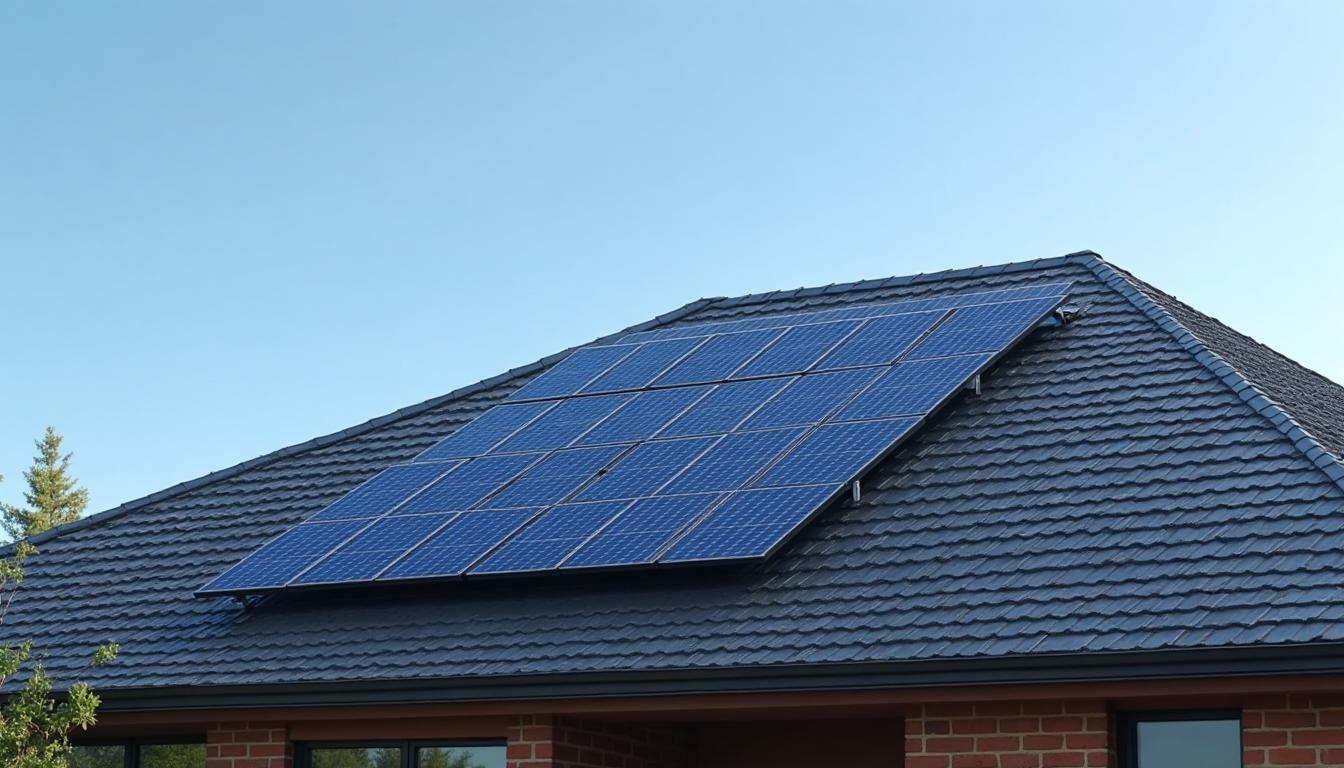
Panels mount on racking systems installed above your existing roof surface. This racking creates a gap between the panels and roof, allowing for airflow that helps keep panels cool and maintains efficiency. Modern panels use either monocrystalline or polycrystalline silicon cells, with monocrystalline offering higher efficiency at a slightly higher cost.
Most residential panels produce between 350-450 watts each under standard test conditions. A typical home requires 15-25 panels to offset most or all of its electricity consumption, depending on energy usage, roof space, and local sunlight conditions.
How Solar Shingles Work
Solar shingles use the same photovoltaic technology but integrate it into roofing materials that replace traditional shingles rather than mounting above them. Each solar shingle contains small solar cells that generate electricity while functioning as weather protection for your home.
Solar shingles typically use either thin-film solar cells or smaller monocrystalline cells embedded in durable glass or polymer materials designed to withstand weather exposure. Because they serve as both roofing and power generation, they must meet building codes for both functions.
The integrated design means solar shingles blend with conventional roofing materials, creating a more uniform appearance than traditional panel installations. Some products are nearly indistinguishable from standard architectural shingles when viewed from the street.
Detailed Comparison: Solar Panels vs. Solar Shingles
Understanding the practical differences between these technologies helps you choose the right option for your situation.
Efficiency and Power Production
Traditional solar panels currently offer higher efficiency than solar shingles. Premium monocrystalline panels achieve 20-22% efficiency, meaning they convert 20-22% of sunlight hitting them into electricity. High-end panels from manufacturers like SunPower and LG can reach 22-23% efficiency.
Solar shingles typically achieve 14-18% efficiency, meaning you need more roof coverage to generate equivalent power. This difference matters when roof space is limited, as panels produce more electricity per square foot.
| Metric | Solar Panels | Solar Shingles |
|---|---|---|
| Cell efficiency | 18-22% | 14-18% |
| Power per square foot | 15-20 watts | 10-15 watts |
| Optimal orientation tolerance | Moderate | Higher |
| Shade impact | Significant | Moderate |
Cost Analysis
The cost difference between panels and shingles is substantial when evaluated as standalone solar investments.
Traditional Solar Panels:: System costs typically range from $2.50-$3.50 per watt before incentives. For an average 8kW residential system, expect to pay $20,000-$28,000 before the 30% federal tax credit, resulting in a net cost of $14,000-$19,600.
Solar Shingles:: Costs run $4.00-$6.00 per watt, but this includes the roofing material itself. A full solar roof replacement for an average home runs $50,000-$80,000 before incentives. After the 30% federal tax credit, net costs fall to $35,000-$56,000.
However, the comparison changes significantly if you already need a roof replacement. When factoring in the $15,000-$25,000 you would spend on a new conventional roof anyway, the solar shingle premium becomes $20,000-$30,000 for integrated solar capability.
Installation Considerations
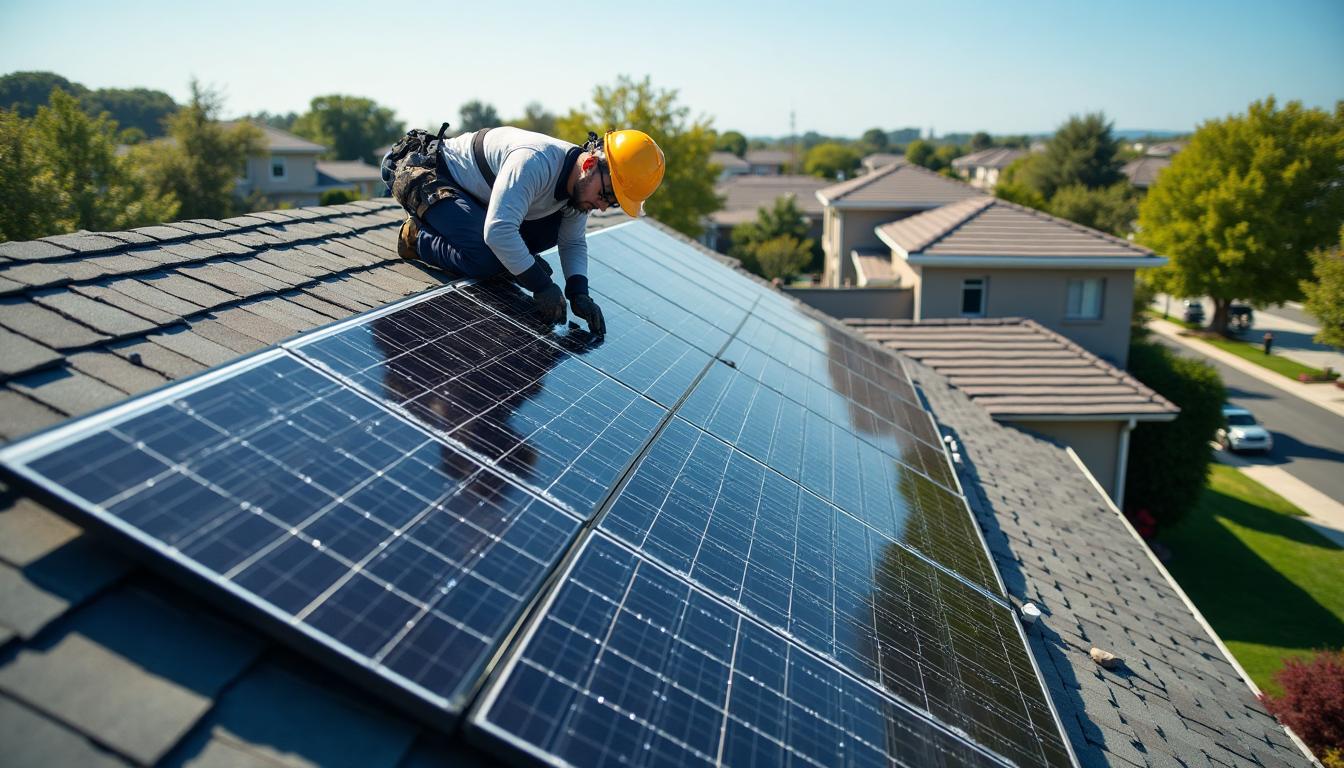
Panel installation typically takes 1-3 days for experienced crews. The process involves securing racking to your roof structure, mounting panels, and connecting the electrical system. Most installations require roof penetrations that are sealed against weather intrusion.
Solar shingle installation resembles a combination of roofing and electrical work, typically taking 1-2 weeks. The process is more labor-intensive since every shingle connects electrically while also serving as weather protection. Fewer contractors currently offer solar shingle installation, which can affect availability and pricing in some markets.
Durability and Warranty Protection
Both technologies offer excellent durability when properly installed. Traditional panels carry 25-30 year performance warranties guaranteeing at least 80% of original output. Product warranties covering defects typically run 12-25 years depending on manufacturer.
Solar shingles also carry 25-30 year warranties and must meet roofing durability standards. Products like Tesla Solar Roof carry 25-year tile and power warranties, with weatherization warranty matching typical roofing products.
Aesthetic Considerations
For many homeowners, appearance drives the choice between panels and shingles. Traditional panels are clearly visible from the street, with a distinctive industrial appearance that some homeowners and HOAs find objectionable.
Solar shingles offer a more integrated look. Products like GAF Timberline Solar Energy Shingles are nearly indistinguishable from standard architectural shingles. Tesla Solar Roof tiles come in styles mimicking slate, tile, or smooth glass appearances.
If your HOA restricts solar panel installations or you simply prefer a seamless appearance, solar shingles may justify their premium cost. Many homeowners find the aesthetic integration worth the additional investment, particularly on homes where curb appeal matters for resale value.
Making Your Decision
Choose traditional solar panels if your existing roof is in good condition with 15 or more years of remaining life, budget constraints favor lower upfront costs, maximum energy production per dollar matters most, and you want flexibility to expand the system later.
Choose solar shingles if you already need a roof replacement and can combine projects, aesthetic integration with your home design is a priority, your HOA or neighborhood covenants restrict visible panels, or you value the all-in-one approach with single-contractor accountability.
Federal and State Incentives
The federal Investment Tax Credit (ITC) provides a 30% credit on qualified solar installation costs through 2032. This applies equally to traditional panels and solar shingles. For a $30,000 installation, you receive a $9,000 credit against your federal tax liability.
Many states offer additional incentives including state tax credits, property tax exemptions for added home value, sales tax exemptions on equipment, and solar renewable energy certificates (SRECs). Check incentives available in your state through our comprehensive directory.
Conclusion
Both traditional solar panels and solar shingles offer pathways to energy independence and reduced electricity costs. The right choice depends on your current roof condition, budget, aesthetic preferences, and long-term plans for your home.
For most homeowners with sound existing roofs, traditional panels offer the best combination of cost-effectiveness and energy production. When a roof replacement is already needed, solar shingles merit serious consideration for their integrated aesthetics and combined functionality.
Ready to explore solar options for your home? Find qualified solar roofing contractors in your area through our contractor directory for personalized assessments and quotes.