South Carolina Humidity and Roofing: Managing Moisture in the Palmetto State
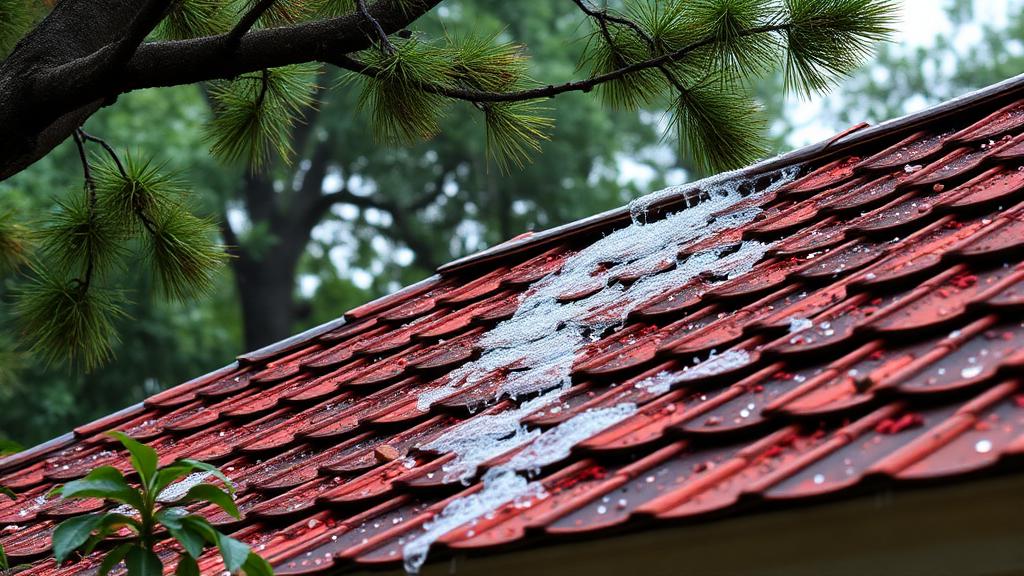
South Carolina high humidity creates unique roofing challenges. Understanding moisture management helps homeowners maintain their roofs and prevent damage.
South Carolina Humidity Challenges
Year-Round Humidity: High humidity levels persist throughout the year.
Coastal Influence: Proximity to ocean increases moisture levels.
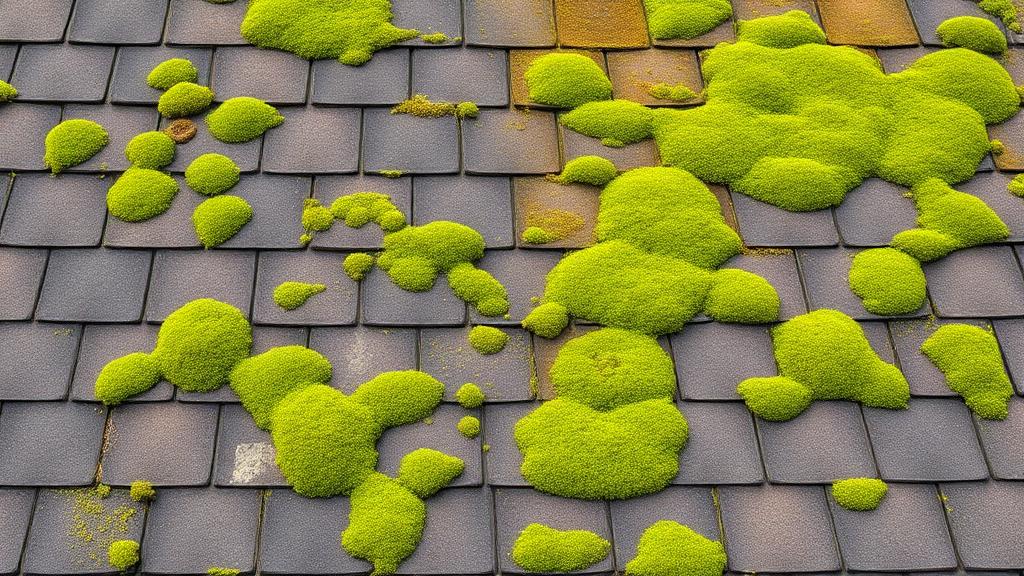
Algae Growth: Humid conditions promote rapid algae and mold growth.
Condensation Risk: Temperature differences can cause moisture problems.
Algae and Mold Prevention
Algae-Resistant Shingles: Copper or zinc granules inhibit growth. Essential for South Carolina.
Zinc Strips: Metal strips near ridges provide ongoing protection.
Tree Management: Maintain clearance between trees and roof.
Regular Cleaning: Address growth promptly when it appears.
Ventilation Importance
Moisture Removal: Proper ventilation removes humid air from attic.
Heat Reduction: Reduces extreme attic temperatures.
Balanced Airflow: Soffit intake and ridge exhaust create proper flow.
Verify Function: Ensure vents are not blocked.
Attic Insulation and Air Sealing
Prevent Migration: Air sealing stops humid air from entering attic.
Proper Levels: Adequate insulation reduces condensation.
Bathroom Venting: Ensure exhaust fans vent to exterior, not attic.
Material Considerations
Algae Resistance: Essential for South Carolina installations.
Synthetic Underlayment: Superior moisture resistance compared to felt.
Quality Flashing: Prevents water infiltration at vulnerable points.
Coastal Considerations
Salt Air: Coastal areas face corrosion from salt exposure.
Material Selection: Choose corrosion-resistant materials near coast.
Regular Inspection: More frequent inspection for coastal properties.
Conclusion
South Carolina humidity requires attention to ventilation, material selection, and moisture management for roof longevity.
Need humidity-related roof assessment? Find South Carolina roofing contractors experienced with moisture management.