Synthetic Roofing Materials: Composite Slate, Shake, and Tile Alternatives
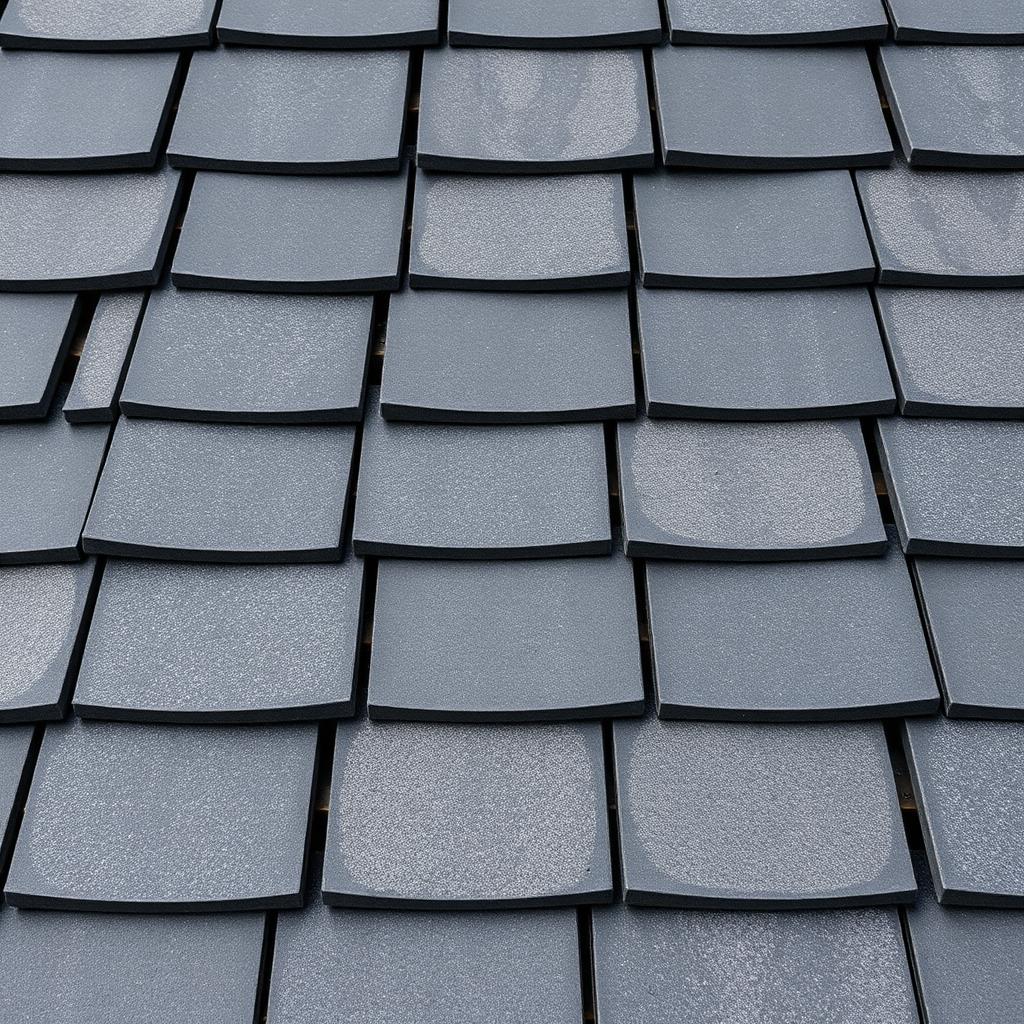
Synthetic roofing materials have transformed the roofing industry, offering homeowners the beauty of natural materials like slate, cedar shake, and clay tile without the associated weight, cost, and maintenance challenges. Modern composites authentically replicate natural textures while providing enhanced durability and easier installation. This guide explores the expanding world of synthetic roofing options.
Understanding Synthetic Roofing Materials
Synthetic roofing products are engineered materials designed to mimic the appearance of natural roofing while offering practical advantages.
Manufacturing Technologies
Polymer Composites:: Blend of recycled plastics, rubber, and polymers molded into roofing shapes. Often incorporate UV stabilizers and fire retardants.
Rubber Compounds:: Recycled tire rubber combined with polymers and minerals. Excellent impact resistance and flexibility.
Fiber Cement:: Portland cement reinforced with cellulose fibers. Creates durable, fire-resistant products.
Metal with Coatings:: Steel or aluminum with stone-coated or polymer finishes replicating natural materials.
Common Base Materials
- Recycled rubber (tires, industrial rubber)
- Recycled plastics (post-consumer and industrial)
- Virgin polymers (polyethylene, polypropylene)
- Cement and mineral fibers
- Metal substrates
Synthetic Slate Roofing
Composite slate alternatives offer dramatic cost and weight savings while achieving authentic stone appearance.
Popular Synthetic Slate Products
DaVinci Roofscapes:: Industry leader in synthetic slate using virgin polymers with UV stabilizers. Available in multiple profiles and 50+ color options.
Brava Roof Tile:: Premium composite slate from recycled materials. Hand-selected for realistic variation.
F-Wave:: Advanced synthetic slate using proprietary ASA polymer technology. Class 4 impact rating.
EcoStar:: Recycled rubber and plastic composition. Proven performance with 20+ year track record.
Benefits vs. Natural Slate
Weight Savings:: Synthetic slate typically weighs 150-250 lbs per square vs. 800-1,500 lbs for natural slate. Rarely requires structural reinforcement.
Cost Reduction:: Synthetic slate costs 40-60% less than comparable natural slate, including installation savings.
Impact Resistance:: Many synthetics achieve Class 4 impact ratings—superior to natural slate's impact vulnerability.
Consistent Quality:: Manufactured products eliminate the quality variation inherent in natural stone.
Easier Installation:: Lighter weight and consistent dimensions simplify installation, reducing labor costs.
Considerations
Appearance Limitations:: Despite impressive replication, synthetic slate lacks natural stone's subtle depth and character upon close inspection.
Shorter Track Record:: Most synthetics have 20-30 year track records vs. natural slate's centuries of proven performance.
Heat Sensitivity:: Some polymer products may show heat distortion near exhausts or in extreme heat environments.
Synthetic Slate Costs
| Product Tier | Material/Sq | Installed/Sq |
|---|---|---|
| Economy | $300-$450 | $600-$900 |
| Standard | $450-$650 | $850-$1,200 |
| Premium | $600-$900 | $1,100-$1,600 |
Synthetic Cedar Shake
Composite shake alternatives provide rustic wood aesthetics without fire risk and maintenance demands.
Manufacturing Approaches
Molded Polymer:: Detailed molds capture authentic wood grain and texture in polymer materials.
Rubber Composites:: Recycled rubber provides flexibility and impact resistance mimicking wood characteristics.
Fiber Cement:: Heavy-duty composition offering maximum durability with wood shake appearance.
Popular Synthetic Shake Products
DaVinci Shake:: Industry leader offering multiple shake profiles with extensive color options and Class A fire rating.
BRAVA Roof Shake:: Premium hand-crafted appearance using recycled materials.
CeDUR Roofing:: Polyurethane-based shake with authentic cedar coloring and Class A fire rating.
Benefits vs. Natural Cedar
Fire Safety:: Synthetic shakes achieve Class A fire rating—critical in wildfire-prone areas where natural wood may be prohibited.
No Maintenance:: Eliminate splitting, curling, moss growth, and rot concerns. No treatments or preservatives required.
Consistent Performance:: Unlike natural wood, synthetics aren't affected by humidity, decay organisms, or insects.
Insurance Benefits:: Class A fire rating may qualify for insurance premium reductions.
Code Compliance:: Allows wood shake appearance in jurisdictions prohibiting natural wood roofing.
Considerations
Appearance:: Close inspection reveals polymer composition. Natural wood's organic character and aging patina aren't replicated.
Environmental Trade-offs:: Petroleum-based polymers vs. natural, renewable wood. Recyclability varies by product.
Heat in Dark Colors:: Dark shake colors may absorb significant heat in sunny climates.
Synthetic Shake Costs
| Product Tier | Material/Sq | Installed/Sq |
|---|---|---|
| Economy | $350-$500 | $650-$950 |
| Standard | $500-$700 | $900-$1,250 |
| Premium | $700-$1,000 | $1,200-$1,700 |
Synthetic Tile Roofing
Composite tile alternatives offer Mediterranean and Spanish aesthetics without extreme weight.
Tile Alternative Types
Polymer Tiles:: Lightweight plastic composites molded to replicate clay or concrete tile profiles.
Stone-Coated Steel:: Metal panels with ceramic granule coating creating tile appearance with metal durability.
Composite Tiles:: Blend of recycled materials creating concrete tile aesthetic at reduced weight.
Popular Synthetic Tile Products
Boral Stone-Coated Steel:: Premium metal tiles with 50+ year performance warranty. Multiple profiles including Spanish and Mediterranean.
Decra Roofing:: Stone-coated steel pioneer with 40+ year track record.
DaVinci Bellaforte:: Polymer tiles replicating barrel and flat tile profiles.
Benefits vs. Clay/Concrete Tile
Dramatic Weight Reduction:: Stone-coated steel: 150 lbs/square vs. clay at 900-1,400 lbs/square.
Improved Impact Resistance:: Metal core provides excellent impact protection vs. brittle clay or concrete.
Easier Maintenance:: No cracked tile replacement, repointing, or heavy maintenance required.
Faster Installation:: Lightweight panels install faster than individual heavy tiles, reducing labor costs.
Better Wind Performance:: Interlocking panels resist wind uplift better than individual tiles in many cases.
Considerations
Sound Characteristics:: Metal underlayment may require additional sound dampening in rain-heavy climates.
Denting Potential:: Thin metal can dent from severe impacts (though stone coating provides protection).
Aesthetic Limitations:: While convincing from a distance, close inspection reveals metal construction.
Synthetic Tile Costs
| Product Type | Material/Sq | Installed/Sq |
|---|---|---|
| Polymer Tile | $300-$500 | $600-$900 |
| Stone-Coated Steel | $350-$550 | $700-$1,100 |
| Premium Systems | $500-$750 | $950-$1,400 |
Evaluating Synthetic Roofing Products
Not all synthetics deliver equal quality. Careful evaluation protects your investment.
Quality Indicators
Warranty Terms:: Premium products offer 50-year or lifetime warranties. Economy products may offer only 25-30 years.
Impact Ratings:: Class 4 (UL 2218) indicates maximum impact resistance—important for hail protection.
Fire Ratings:: Class A (ASTM E108) required in many jurisdictions. All quality synthetics should achieve this rating.
Wind Ratings:: Look for 110+ mph wind warranties. Premium products rate 130+ mph.
UV Stability:: Verify UV stabilizers are incorporated. Ask about color fade warranties.
Questions to Ask Manufacturers
- What is the product's exact composition?
- What is the realistic expected lifespan?
- How does the product perform in extreme temperatures?
- What installation requirements affect warranty validity?
- Are there geographic limitations on warranty coverage?
Evaluating Appearance
Request Samples:: Physical samples reveal texture, color, and weight better than photos.
Visit Installations:: Seeing installed roofs (especially aged 5+ years) shows real-world appearance.
Multiple Angles:: View from various distances and angles. Most synthetics look convincing from street level.
Installation Considerations
Synthetic roofing installation differs from natural material installation in several ways.
Advantages
Consistent Dimensions:: Manufactured products have precise dimensions, simplifying layout and reducing waste.
Lighter Weight:: Installers handle materials more easily, improving productivity and safety.
Faster Installation:: Many synthetic systems install in less time than natural alternatives.
Standard Fastening:: Most synthetics use standard roofing fasteners without specialized techniques.
Special Requirements
Temperature Limitations:: Some polymers have minimum and maximum installation temperatures—verify before scheduling.
Expansion Allowances:: Synthetic materials may require specific spacing to accommodate thermal expansion.
Manufacturer Training:: Premium products often require certified installer status for warranty validity.
Underlayment Compatibility:: Specific underlayment types may be required—verify manufacturer specifications.
Sustainability Considerations
Synthetic roofing presents complex environmental trade-offs.
Positive Factors
Recycled Content:: Many synthetics incorporate significant recycled materials (rubber, plastics).
Longevity:: 50+ year lifespans reduce replacement frequency compared to asphalt alternatives.
Energy Efficiency:: Reflective options reduce cooling energy consumption.
Code Compliance:: Enables natural material aesthetics in fire-restricted areas without environmental impact of fire treatments.
Concerns
Petroleum Base:: Virgin polymer products derive from petroleum feedstocks.
End-of-Life:: Recycling options for composite roofing are limited in most areas.
Embodied Energy:: Manufacturing processes require significant energy.
Comparative Assessment
Compared to natural materials synthetics replace: - vs. Natural Slate: Significantly lower embodied energy and carbon footprint - vs. Cedar Shake: Eliminates forest harvest impacts; petroleum trade-off - vs. Clay Tile: Lower manufacturing energy; recyclability trade-off
Finding Qualified Installers
Synthetic roofing installation requires familiarity with specific products.
Contractor Requirements
Product Certification:: Major manufacturers maintain certified installer networks. Verify certification before hiring.
Experience:: Request examples of completed synthetic roof installations.
Warranty Commitment:: Ensure the contractor's installation qualifies for full manufacturer warranty coverage.
Installation Verification
Pre-Installation:: Confirm underlayment, ventilation, and fastener specifications meet manufacturer requirements.
Progress Inspection:: Observe installation of first sections to verify proper technique.
Completion Review:: Verify all flashing, ridge, and detail work meets specifications.
Connect with certified roofing contractors in your area who specialize in premium synthetic roofing systems.
Conclusion
Synthetic roofing materials offer compelling alternatives to natural slate, cedar shake, and tile for homeowners seeking premium aesthetics without the weight, maintenance, and cost challenges of natural materials. Modern composites achieve impressive visual authenticity while providing practical advantages including lighter weight, better impact resistance, and simplified maintenance.
Carefully evaluate product quality, warranty terms, and manufacturer reputation before selection. Work with certified installers to ensure proper installation that maximizes warranty coverage and product performance. With appropriate selection and installation, synthetic roofing delivers decades of beautiful, worry-free protection.