Tennessee Roof Ventilation: Managing Humidity and Heat
Tennessee high humidity and summer heat make proper roof ventilation essential for both roof longevity and home comfort. Understanding ventilation principles helps homeowners identify problems and ensure their homes are properly protected.
Why Ventilation Matters in Tennessee
Humidity Control: Tennessee humidity often exceeds 70% during summer months. Without proper ventilation, this moisture accumulates in attic spaces, leading to mold growth, rotted sheathing, and deteriorated insulation.
Heat Reduction: Attic temperatures can exceed 150 degrees on hot summer days. Excessive heat accelerates shingle aging and increases cooling costs. Proper ventilation can reduce attic temperatures by 30-40 degrees.
Ice Dam Prevention: While less common than northern states, Tennessee occasionally experiences conditions that create ice dams. Proper ventilation helps maintain even roof temperatures that prevent ice dam formation.
Ventilation Basics
Effective attic ventilation requires balanced airflow:
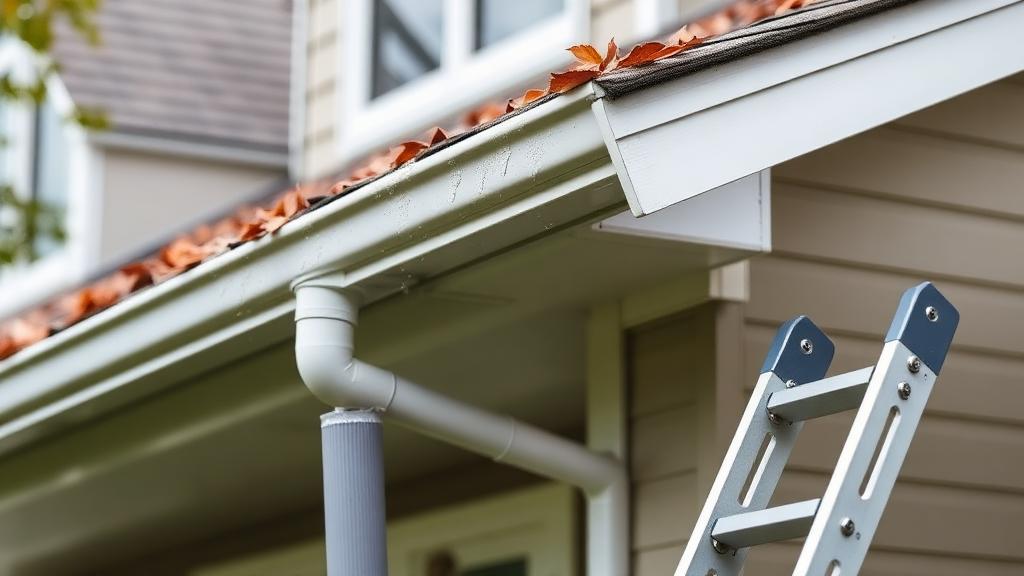
Intake Vents: Located in soffits or at roof edges, these allow cool outside air to enter the attic. Continuous soffit vents provide the most effective intake.
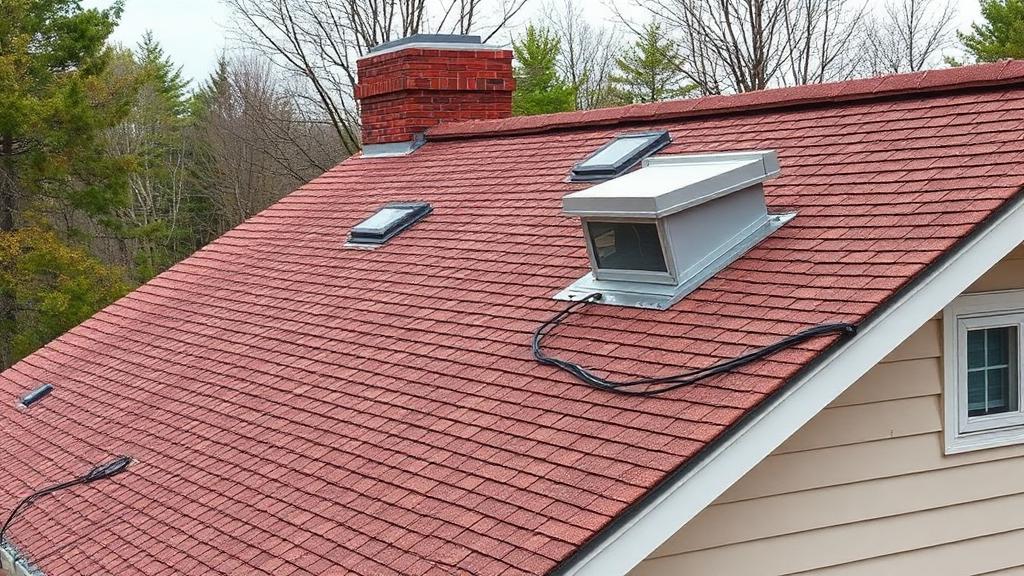
Exhaust Vents: Positioned at or near the ridge, these allow hot, humid air to escape. Ridge vents, roof vents, and gable vents serve as exhaust points.
The 1:150 Rule: Building codes typically require 1 square foot of ventilation for every 150 square feet of attic space, with balanced intake and exhaust.
Common Ventilation Problems
Blocked Soffits: Insulation often blocks soffit vents, eliminating intake airflow. Proper baffles keep insulation from obstructing vents.
Inadequate Exhaust: Many older homes lack sufficient exhaust ventilation. Adding ridge vents during re-roofing is often the best solution.
Mixed Systems: Combining powered and passive ventilation can create problems. Ridge vents work best with soffit intake only.
Cathedral Ceilings: These require special attention since no attic space exists. Channel venting and sufficient insulation are essential.
Signs of Ventilation Problems
- Moisture or frost on attic surfaces in winter
- Mold or mildew odors
- Excessive heat on upper floors
- Ice dam formation during winter
- Premature shingle deterioration
- Buckling or wavy shingles
Improving Ventilation
Add Soffit Vents: If intake is inadequate, adding continuous soffit vents improves airflow significantly.
Install Ridge Vents: These provide effective exhaust along the entire roof ridge. During re-roofing is the ideal time to add ridge vents.
Add Baffles: Insulation baffles prevent blocking of soffit vents. Install between every rafter bay.
Power Options: Solar-powered attic fans can supplement passive ventilation in problem attics.
Working with Contractors
During roof replacement, discuss ventilation with your contractor. This is the best time to correct deficiencies. Verify that any new ventilation meets code requirements and manufacturer specifications.
Conclusion
Proper ventilation protects your Tennessee home from humidity damage and reduces cooling costs. Address ventilation issues during roof replacement for best results.
Need ventilation assessment? Find Tennessee roofing contractors who can evaluate your system.