Utah Snow Load: Roof Design and Maintenance for Heavy Snow
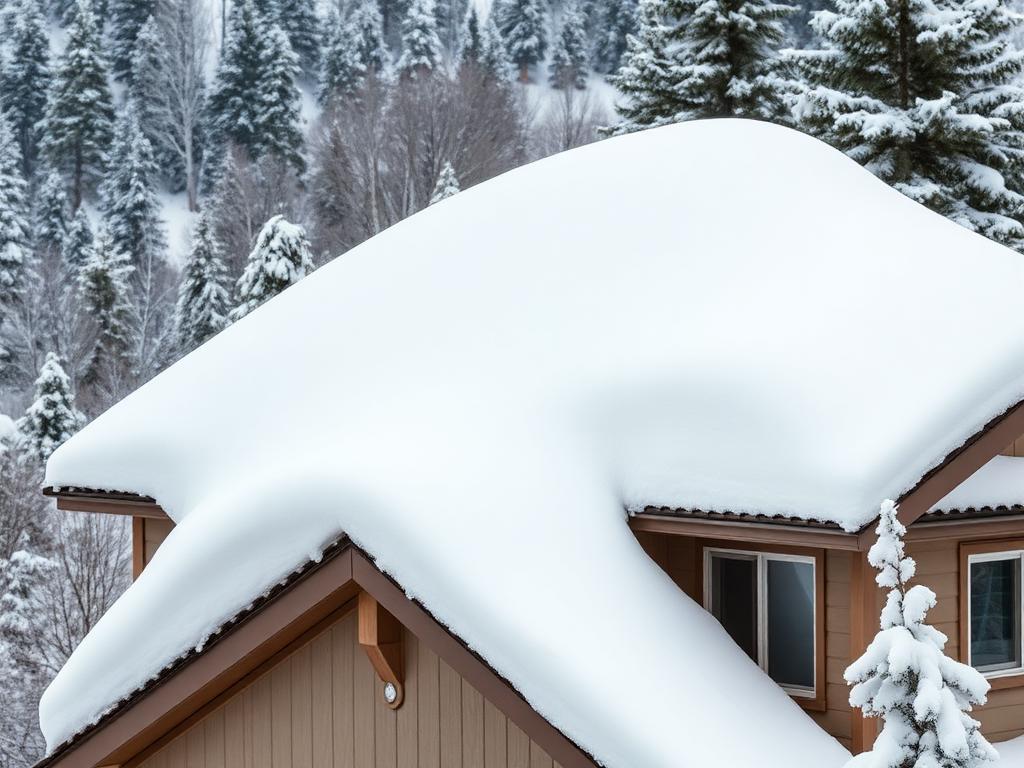
Utah mountain communities experience significant snow accumulation that creates structural challenges for residential roofing. Understanding snow load requirements and proper maintenance helps Utah homeowners prevent snow-related damage.
Understanding Snow Load
Snow load refers to the weight of accumulated snow that roofs must support. Utah building codes specify minimum design loads based on location, elevation, and roof characteristics. Proper design prevents structural failure during heavy snow years.
Wet Utah snow weighs significantly more than dry powder. A foot of heavy wet snow can weigh 20 pounds per square foot or more, while light powder may weigh only 3-5 pounds. Design must account for worst-case wet snow conditions.
Drifting increases local loads beyond uniform accumulation. Roof valleys, dormers, and areas below higher roof sections collect drifted snow that can exceed design loads even when overall accumulation seems modest.
Roof Design Considerations
Pitch: Steeper roofs shed snow more readily, reducing accumulation. However, sliding snow creates hazards below. Roof pitch should balance snow shedding with snow management.
Structural Capacity: Framing must support design snow loads with appropriate safety factors. Older homes may have been built to lower standards than current codes require. Engineering assessment may be warranted for high-snow properties.
Snow Guards: Metal roofs and other slippery surfaces require snow guards to control snow release. Guards prevent dangerous avalanches while allowing gradual melting and controlled sliding.
Heat Cables: Electric heat cables melt channels through snow accumulation, particularly at eaves where ice dams form. Cables add operational cost but prevent ice dam damage in problem areas.
Snow Removal Best Practices
Remove snow before accumulation exceeds design capacity. Roof rakes allow ground-level removal of accessible areas. For steep or complex roofs, professional removal may be necessary.
Never use picks, shovels, or other tools that can damage roofing materials. Leave a thin layer of snow rather than scraping to the roof surface.
Remove snow uniformly to prevent unbalanced loads. Removing snow from one side while leaving the other creates uneven stresses that can cause structural problems.
Ice Dam Prevention
Ice dams form when heat escaping through inadequate insulation melts roof snow, which refreezes at cold eaves. Proper insulation, ventilation, and air sealing prevent ice dam formation.
If ice dams form despite prevention efforts, professional steam removal clears ice without damaging roofing. Never use picks or hot water that can cause additional damage.
Signs of Snow-Related Stress
Interior signs of excessive snow load include cracking sounds, doors and windows that stick, and visible ceiling or wall deformation. If these signs appear, evacuate the building and arrange emergency snow removal.
Exterior signs include sagging roof lines and unusual snow patterns suggesting structural deformation. Any visible deformation warrants immediate professional assessment.
Conclusion
Snow load management is essential for Utah mountain homes. Proper design, regular maintenance, and timely snow removal prevent costly damage from winter accumulation.
Need snow-load assessment? Find Utah roofing contractors experienced with mountain conditions.