Washington Moss Prevention: Protecting Your Pacific Northwest Roof
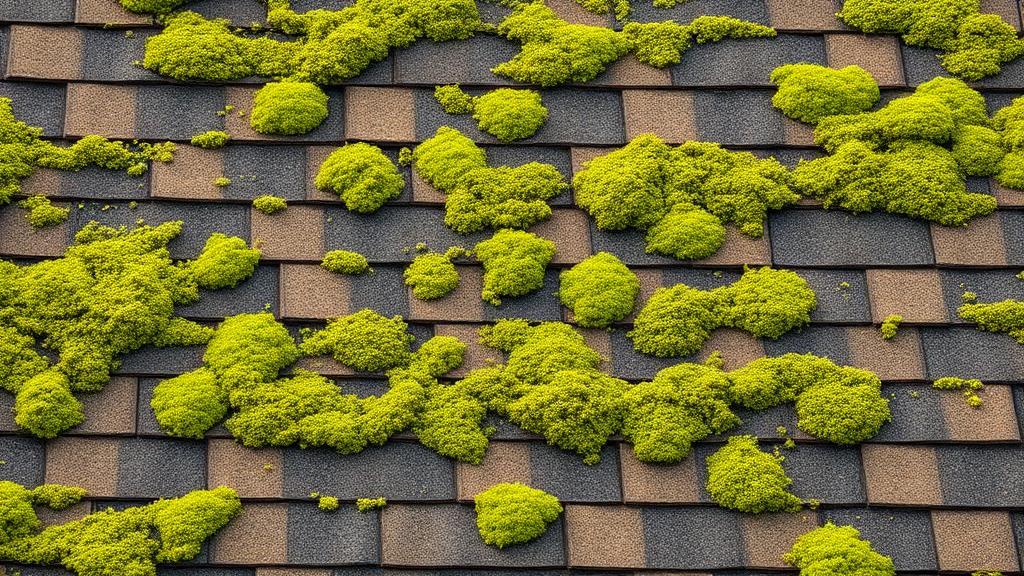
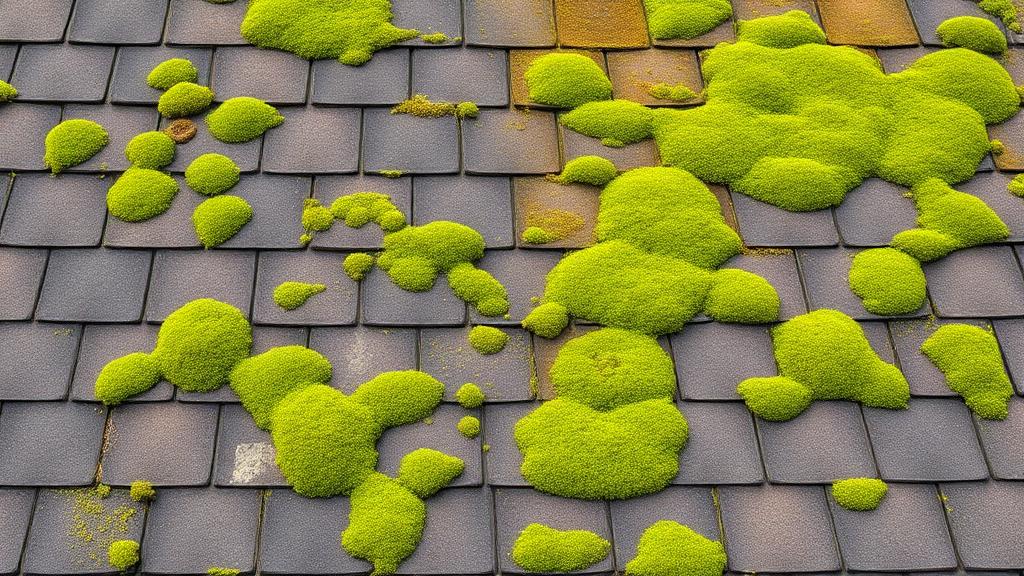
Moss is the most common roof problem in western Washington, thriving in the regions humid, shaded conditions. Left unchecked, moss causes significant roof damage. Understanding prevention and removal strategies helps protect your investment.
Why Moss Damages Roofs
Moss is not just an aesthetic issue. It causes real structural damage:
Root Penetration: Moss roots grow beneath shingles, lifting edges and allowing water infiltration. This process accelerates shingle deterioration and can expose underlayment.
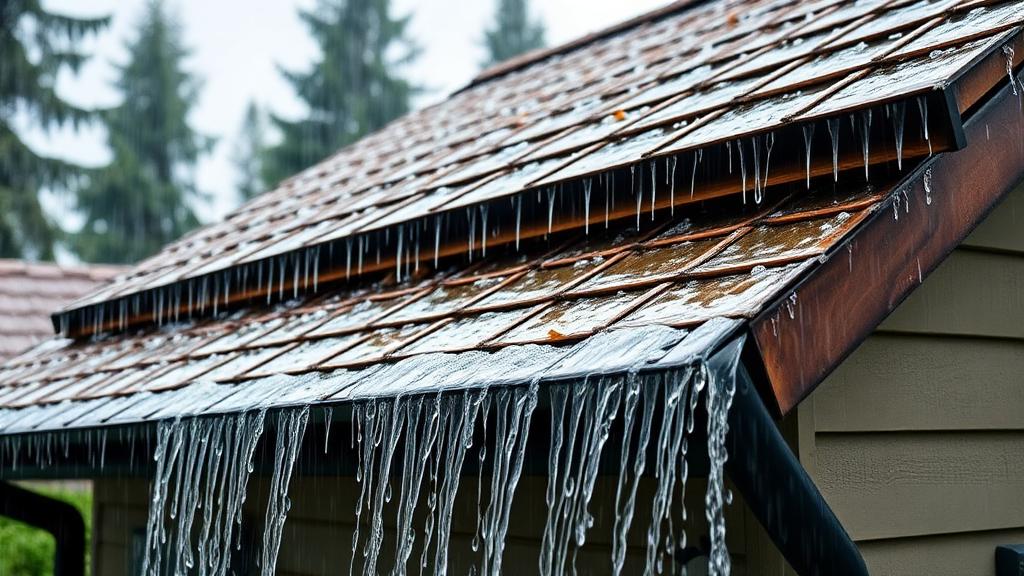
Moisture Retention: Moss acts like a sponge, holding moisture against roofing materials. This constant moisture exposure accelerates aging and rot.
Weight Accumulation: Thick moss adds significant weight, especially when wet. This stresses roof structures and can cause sagging in severe cases.
Debris Trapping: Moss traps debris against the roof, creating dam effects that pool water and accelerate damage.
Prevention Strategies
Metal Strips: Zinc or copper strips installed near the ridge release metal ions when rainwater flows over them. These ions create an inhospitable environment for moss. Zinc is more common and affordable. Copper is more effective but costly.
Trim Trees: Moss thrives in shade. Maintaining clearance between tree branches and your roof increases sunlight and airflow, reducing moss-friendly conditions. A 10-foot clearance is ideal.
Improve Air Circulation: Good ventilation helps the roof dry quickly. Ensure soffit and ridge vents are clear and functioning.
Algae-Resistant Shingles: When replacing your roof, choose shingles with algae-resistant granules. These contain copper or zinc that continues inhibiting growth for years.
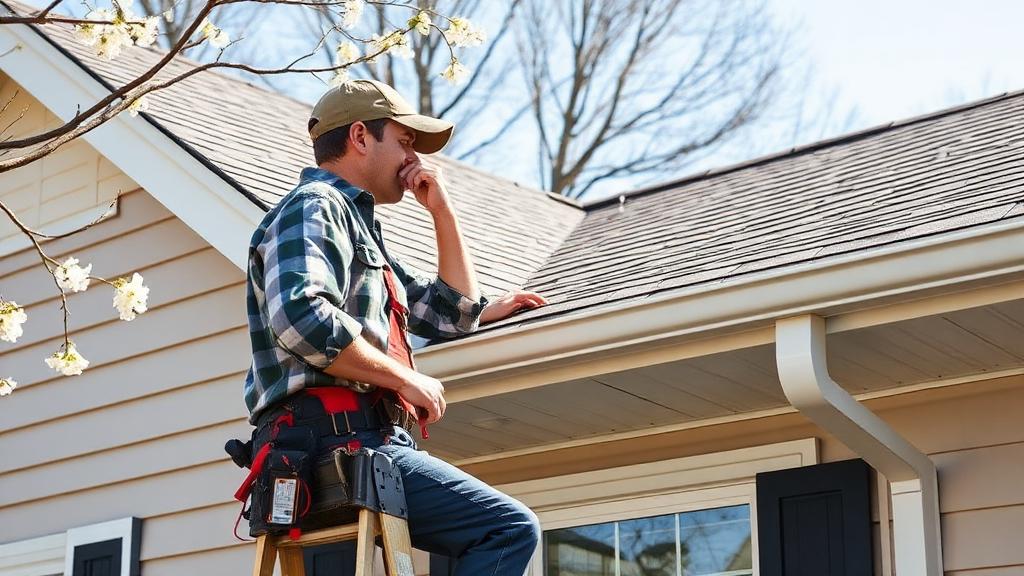
Regular Maintenance: Annual inspections and light cleaning prevent minor moss from becoming major problems.
Safe Removal Methods
Soft Washing: Professional soft-wash methods use low pressure and specialized cleaning solutions to kill and remove moss without damaging shingles. This is the recommended approach.
Manual Removal: For light moss, gentle brushing with a soft-bristle brush can remove growth. Work from top to bottom to avoid lifting shingles.
What to Avoid: Never use pressure washers on asphalt shingles. The high pressure damages granules and can force water under shingles. Avoid walking on wet, mossy roofs due to slip hazards.
DIY vs Professional
DIY Appropriate: Light moss on accessible, gently-sloped roofs may be addressed by handy homeowners using proper safety equipment and techniques.
Professional Recommended: Steep roofs, heavy moss accumulation, or multi-story homes warrant professional service. Professionals have proper equipment, insurance, and experience.
After-Cleaning Treatment
After moss removal, apply preventive treatments to delay regrowth:
- Zinc sulfate solutions
- Commercial moss prevention products
- Zinc strip installation
These treatments need periodic reapplication, typically every 1-2 years.
Conclusion
Moss prevention and removal are essential for Washington roof longevity. Combine prevention strategies with regular maintenance for best results.
Need professional moss removal? Find Washington roofing contractors experienced with moss treatment.