Washington Rain and Roof Waterproofing: Keeping Your Home Dry
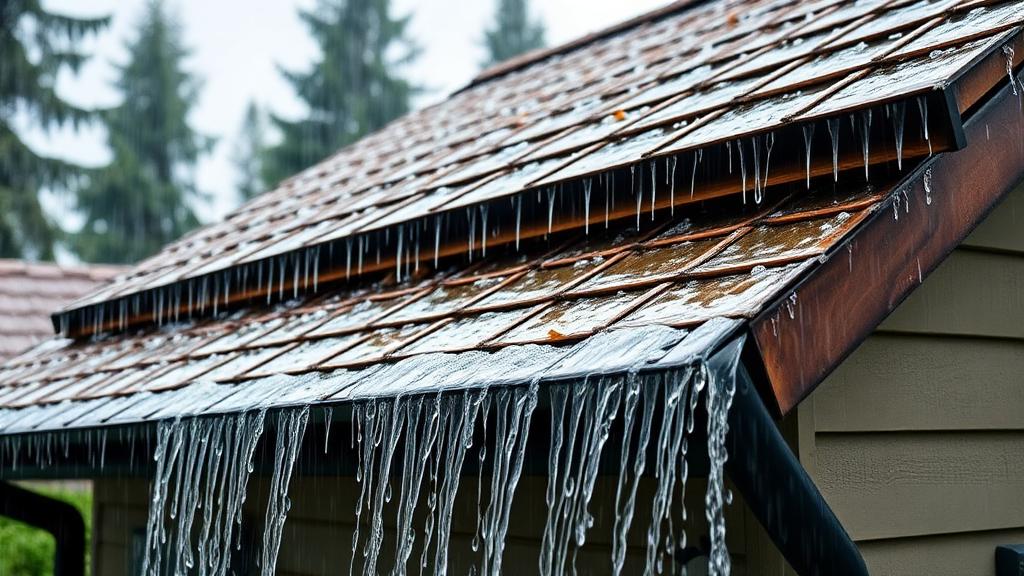
Western Washington receives 35-50 inches of annual rainfall, making waterproofing a critical roofing priority. Understanding how roofs handle heavy rain helps homeowners prevent leaks and water damage.
Understanding Rain Impact
Pacific Northwest rain patterns differ from other regions:
Extended Rain Events: Rather than heavy downpours, Washington experiences prolonged moderate rain lasting days or weeks. This constant moisture tests roof waterproofing systems continuously.
Wind-Driven Rain: Coastal and Sound areas experience wind-driven rain that can penetrate horizontally. Standard waterproofing may be inadequate in exposed locations.
Freeze-Thaw Cycles: Mountain areas and eastern Washington experience freeze-thaw that can crack materials and compromise waterproofing.
Critical Waterproofing Components
Underlayment: The waterproof barrier beneath shingles is critical. Synthetic underlayment outperforms felt in wet climates. Ice and water shield membrane should protect vulnerable areas: valleys, edges, and around penetrations.
Flashing: Metal flashings around chimneys, vents, skylights, and walls are common leak points. Quality materials and proper installation prevent infiltration. Step flashing should be interwoven with shingles, not face-nailed.
Valleys: Roof valleys concentrate water flow and are high-leak-risk areas. Closed or woven valleys with ice and water shield provide best protection.
Penetrations: Pipe boots, vents, and skylights require careful sealing. Boot materials degrade faster in UV-poor Northwest conditions; inspect regularly.
Gutter System Importance
Sizing: Standard 5-inch gutters may be inadequate. Consider 6-inch gutters with larger downspouts for heavy rainfall areas.
Maintenance: Evergreen debris clogs gutters quickly. Regular cleaning or gutter guard installation prevents overflow that damages fascia and siding.
Downspout Discharge: Direct water well away from foundations. Underground drainage systems prevent basement moisture problems.
Identifying Water Damage
Early detection prevents extensive damage:
Interior Signs: Water stains on ceilings or walls, peeling paint, and musty odors indicate moisture infiltration. Address promptly before mold develops.
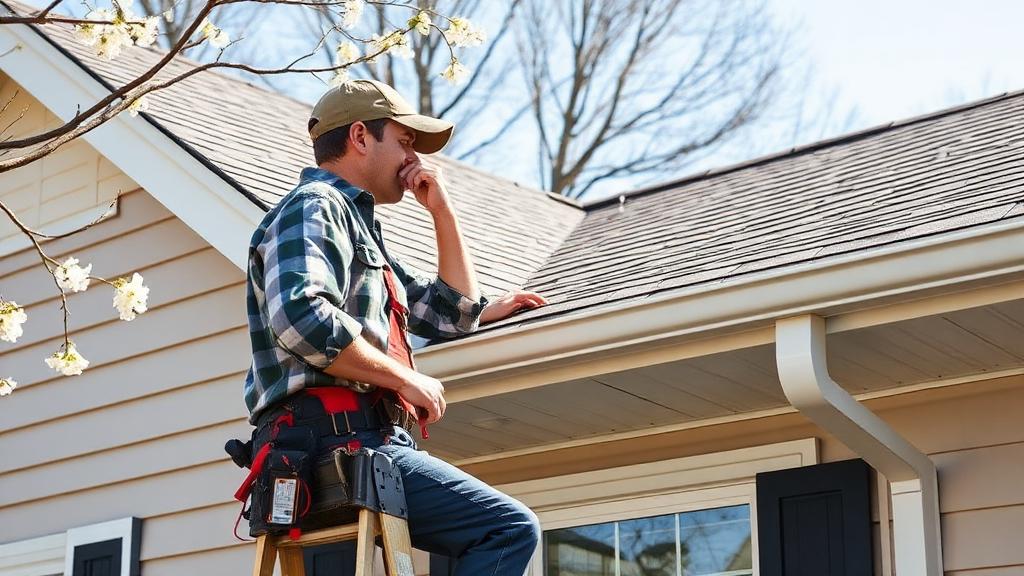
Attic Inspection: Check for water stains on sheathing, wet insulation, and daylight through the roof. These indicate active leaks or failures.
Exterior Signs: Lifted shingles, damaged flashing, and deteriorated sealants are visible indicators of waterproofing failures.
When to Repair vs Replace
Repair Appropriate: Isolated leaks from damaged flashing, failed boots, or localized shingle damage can often be repaired cost-effectively.
Replacement Warranted: Widespread leaking, aged materials showing multiple failures, or outdated underlayment often make full replacement more economical.
Conclusion
Washington rainfall demands exceptional waterproofing. Quality materials, proper installation, and regular maintenance keep homes dry.
Need leak repair or roof assessment? Find Washington roofing contractors experienced with Pacific Northwest conditions.