Protecting Your Arizona Roof from Extreme Heat: Materials and Strategies
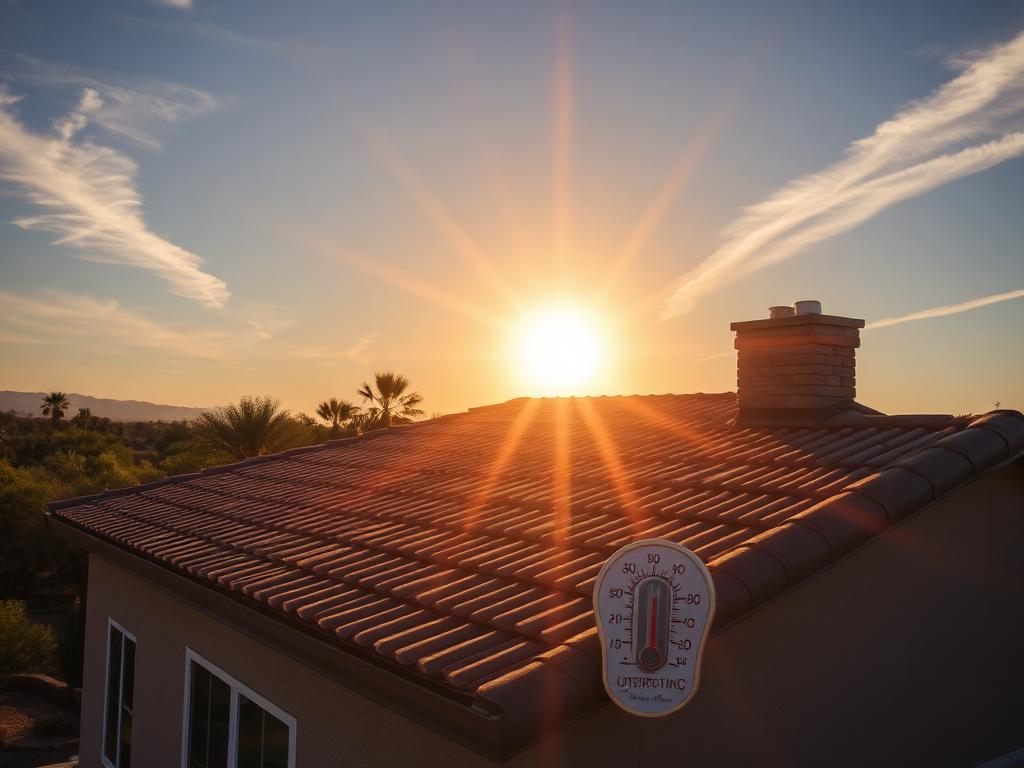
Arizona roofs face some of the most extreme heat conditions in the United States. Summer roof surface temperatures routinely exceed 160 degrees Fahrenheit in the Phoenix area, with peak temperatures approaching 180 degrees on dark-colored materials. This intense heat creates unique challenges for every roofing material and demands specialized approaches to material selection, installation, and maintenance.
Understanding Extreme Heat Impact on Roofing
The intense Arizona sun delivers more UV radiation per square foot than almost anywhere else in North America. This radiation, combined with extreme temperatures, creates multiple degradation pathways for roofing materials. Understanding these mechanisms helps homeowners make informed material choices and maintenance decisions.
Asphalt shingles suffer the most dramatic heat effects. The petroleum-based compounds that provide flexibility and waterproofing volatilize rapidly at sustained high temperatures. This process, called thermal degradation, causes shingles to become brittle, lose granules, and develop cracks within 12-18 years compared to 25-30 year lifespans in moderate climates.
Metal roofing expands and contracts significantly with Arizona temperature swings. A 100-foot metal roof can change length by over an inch between cool morning temperatures and peak afternoon heat. Improper installation that does not accommodate this movement causes fastener failure, seam separation, and oil-canning distortion.
Flat roof membranes experience accelerated aging from UV exposure. Standard EPDM rubber roofing degrades faster in Arizona than northern climates. TPO and PVC membranes offer better UV resistance but still require careful material selection for Arizona conditions.
Cool Roofing Technology
Cool roofing materials reflect more sunlight and emit absorbed heat more efficiently than standard materials. These properties dramatically reduce roof surface temperatures, extending material life while reducing cooling costs.
Solar reflectance measures what percentage of sunlight a roof reflects. Standard dark shingles reflect only 5-15% of incoming solar energy. Cool roof materials can reflect 65-85% of solar radiation, reducing surface temperatures by 50-60 degrees during peak conditions.
Thermal emittance measures how efficiently a material releases absorbed heat. High-emittance materials release heat quickly as temperatures drop, preventing heat accumulation throughout the day. The combination of high reflectance and high emittance provides maximum cooling benefit.
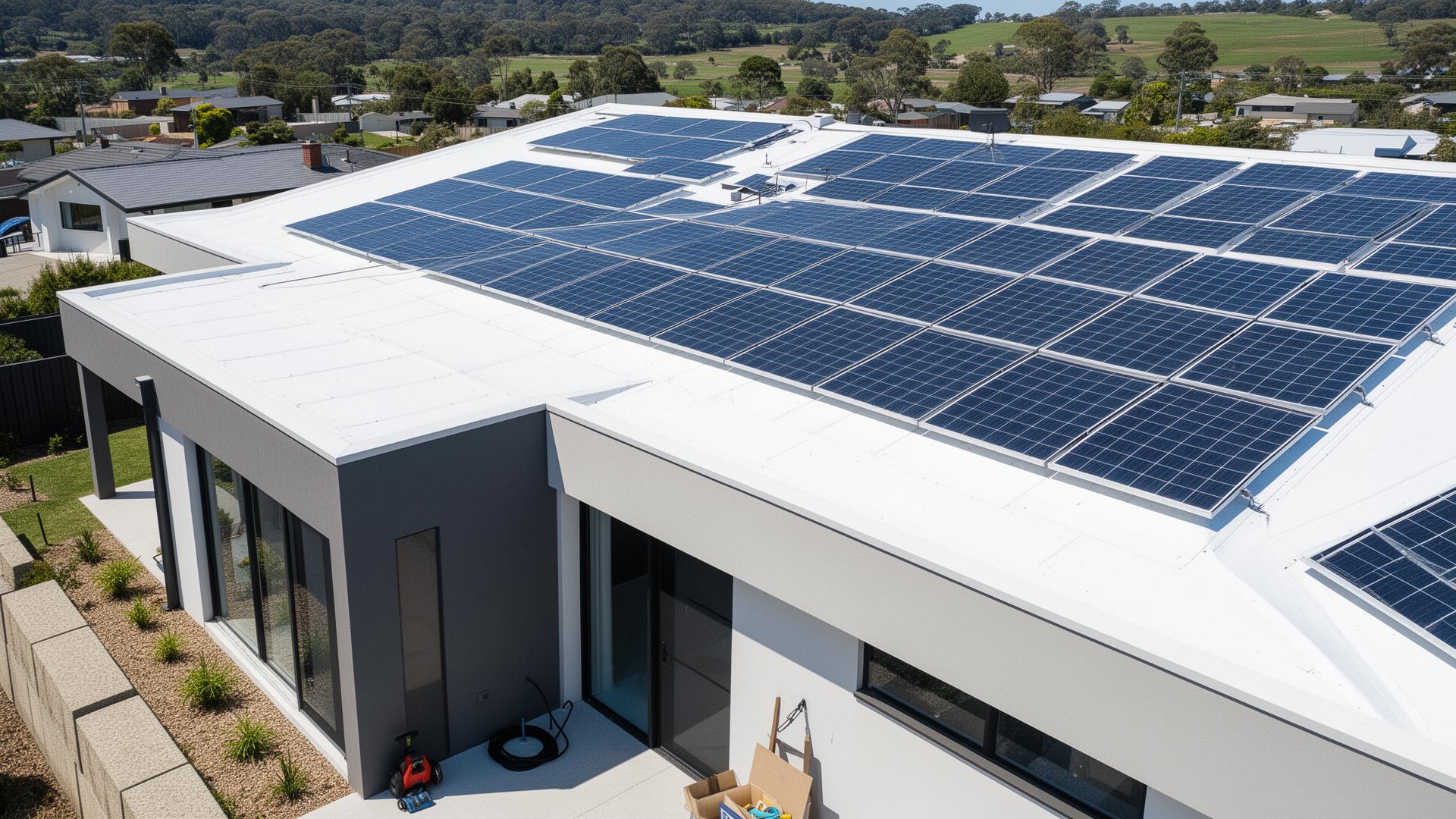
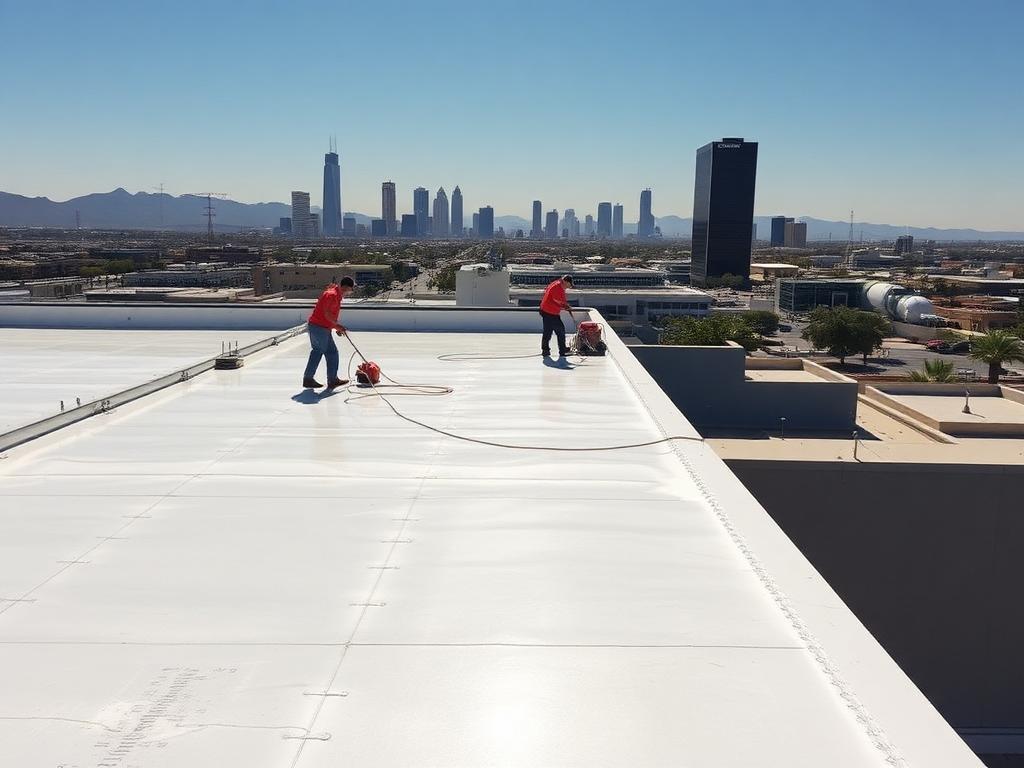
Cool roof options include factory-coated metal roofing, specialized asphalt shingles with reflective granules, white membrane systems, and cool roof coatings applied to existing roofs. Arizona building codes now require minimum cool roof standards for new construction in many jurisdictions.
Material Selection for Extreme Heat
Choosing appropriate materials for Arizona conditions requires balancing performance, aesthetics, and budget. Some materials that perform adequately in moderate climates fail prematurely in desert conditions.
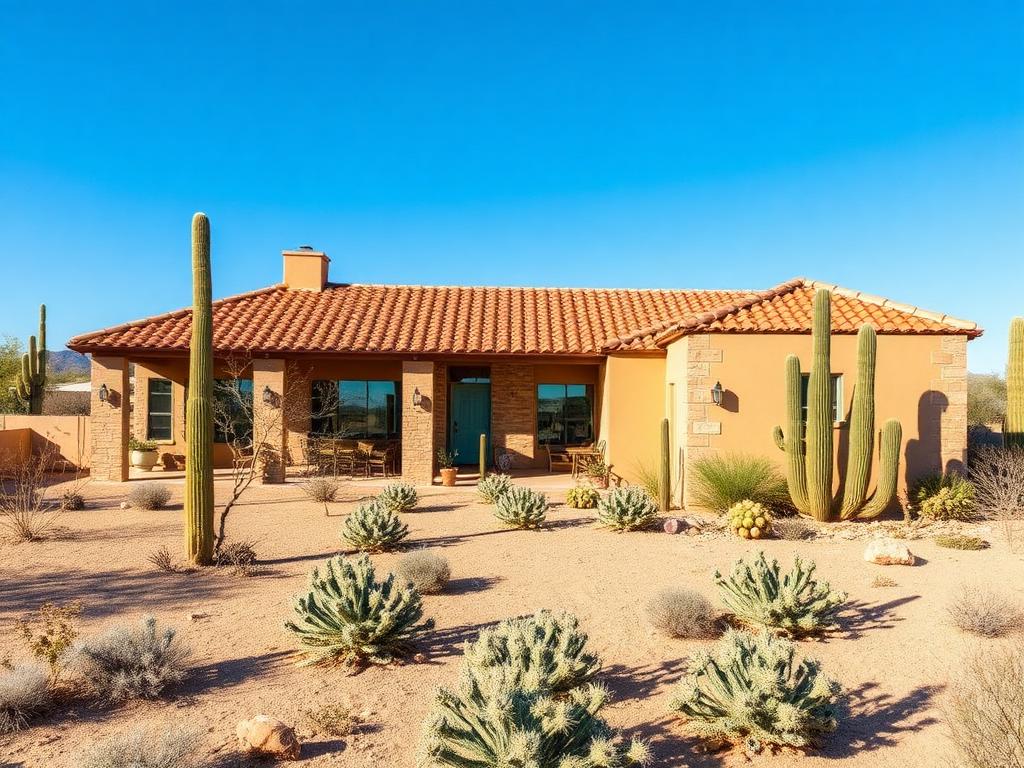
Tile Roofing: Clay and concrete tiles offer excellent heat resistance. The natural thermal mass of tile absorbs heat during peak hours and releases it slowly as temperatures drop. Light-colored tiles further reduce heat absorption. Tile remains the gold standard for Arizona residential roofing.
Metal Roofing: Properly specified metal roofing performs well in Arizona. Choose factory-applied cool roof coatings in lighter colors. Ensure adequate ventilation beneath metal panels to prevent heat transfer to the building. Stone-coated steel offers the aesthetic of tile with metal durability.
Modified Bitumen: This flat roofing material can perform well when specified with heat-resistant formulations and topped with reflective coatings. Standard products not formulated for extreme heat will fail prematurely.
TPO and PVC: White membrane systems offer excellent solar reflectance for flat roofs. Choose formulations rated for high-temperature service. Ensure adequate seam welding and edge details to prevent wind uplift during monsoon storms.
Asphalt Shingles: If budget constraints require asphalt, choose impact-resistant shingles with cool roof reflective granules. Accept that replacement will be needed sooner than manufacturer warranty suggests. Many warranties pro-rate for UV and heat exposure in desert climates.
Ventilation Strategies
Proper attic ventilation helps manage the extreme temperatures Arizona roofs experience. Adequate ventilation extends both roofing material life and reduces air conditioning costs.
Ridge and soffit ventilation creates passive airflow that removes heat from attic spaces. Minimum net free area should exceed code requirements for optimal heat management. Power ventilators can supplement passive ventilation during peak heat but add electrical costs.
Radiant barriers installed at the attic floor or under roof decking block radiant heat transfer into living spaces. In Arizona conditions, radiant barriers can reduce cooling loads by 10-15%. The combination of reflective roofing and radiant barriers provides maximum heat protection.
Sealed attic designs, where insulation is applied directly beneath the roof deck, keep HVAC equipment in conditioned space and can improve overall efficiency. These designs require careful moisture management and appropriate roofing material selection.
Maintenance for Heat-Stressed Roofs
Arizona roofs require maintenance attention focused on heat-related deterioration. Regular inspections identify developing problems before expensive damage occurs.
Inspect roofing twice yearly, focusing on thermal stress indicators. Look for curling shingle edges, cracked tiles, and separated seams that indicate heat damage. Check flashings for thermal expansion damage, particularly around HVAC equipment and vents.
Clear debris that can trap heat against roofing surfaces. Accumulated leaves, dirt, and debris prevent heat dissipation and accelerate local deterioration. Low-pressure cleaning removes most accumulation without damaging roofing materials.
Reapply protective coatings on flat roofs and painted metal roofing according to manufacturer schedules. Coating renewal restores reflectivity that diminishes over time from UV exposure and dirt accumulation.
Energy Efficiency Benefits
Cool roofing provides measurable energy savings in Arizona homes. Studies by Arizona State University and the Desert Research Institute document 10-25% reductions in cooling costs from cool roof upgrades.
Peak demand reduction provides additional savings through Arizona Public Service and Salt River Project time-of-use rate structures. Cool roofs reduce air conditioning load during afternoon hours when electricity rates peak. Some utilities offer rebates for qualifying cool roof installations.
Reduced cooling load extends HVAC equipment life and reduces maintenance costs. Air conditioners working less hard experience less wear and require fewer repairs. The combination of energy savings and extended equipment life enhances the economic return from cool roofing investment.
Insurance Considerations
Arizona homeowners insurance often provides discounts for impact-resistant and fire-resistant roofing materials. Tile and metal roofing typically qualify for premium reductions. Contact your insurance provider to understand available discounts before making material selections.
Proper documentation of roofing materials and installation helps with insurance claims following storm damage. Maintain manufacturer documentation, contractor invoices, and photographs showing roof condition over time.
Conclusion
Protecting Arizona roofs from extreme heat requires thoughtful material selection, proper installation, and regular maintenance. Investing in heat-resistant materials and cool roofing technology provides long-term savings through extended roof life and reduced energy costs. Work with contractors experienced in Arizona conditions to ensure your roof investment delivers maximum value.
Ready to upgrade to heat-resistant roofing? Browse verified Arizona contractors specializing in cool roof installations.