Arizona Tile Roofing Guide: Best Materials for Desert Living
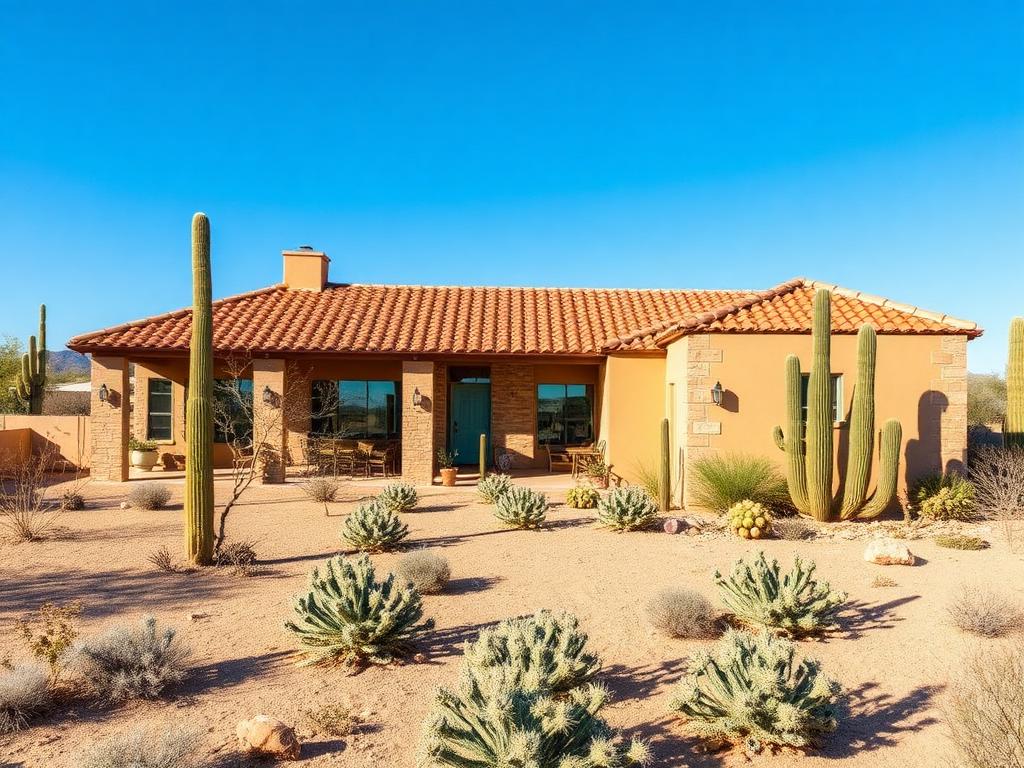
Arizona homeowners have long recognized tile roofing as the ideal choice for desert living. The distinctive terracotta and earth-toned roofs that define Scottsdale, Phoenix, and Tucson neighborhoods offer more than aesthetic appeal. They provide exceptional durability against intense UV exposure, extreme temperature fluctuations, and the occasional monsoon storm that defines Arizona weather.
Why Tile Dominates Arizona Roofscapes
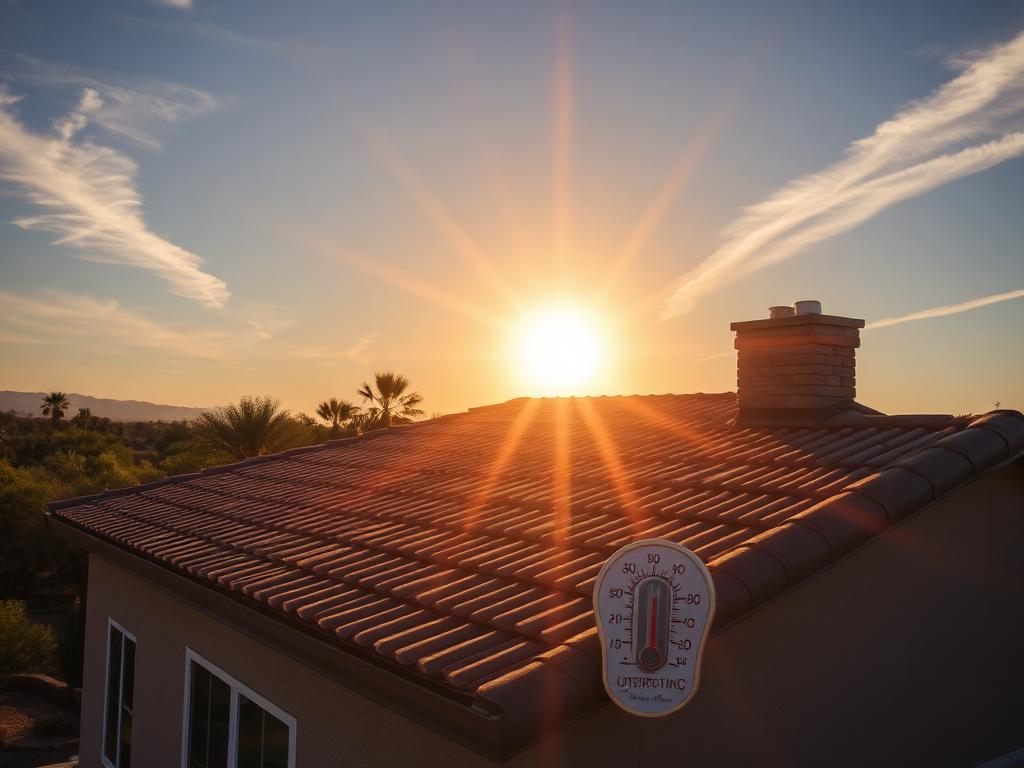
Tile roofing accounts for over 60% of residential roofs in the Phoenix metropolitan area. This dominance stems from performance characteristics perfectly suited to Sonoran Desert conditions. Clay and concrete tiles resist UV degradation that rapidly destroys asphalt shingles in Arizona sun. They withstand temperature swings from freezing winter nights to 180-degree summer roof surface temperatures.
The thermal mass of tile roofing provides natural cooling benefits. Tiles absorb heat during the day and release it slowly overnight, reducing peak cooling loads during afternoon hours when electricity costs peak. Many Arizona homeowners report measurable reductions in cooling costs after switching to tile from other roofing materials.
Clay Tile Options for Arizona Homes
Traditional clay tiles remain the premium choice for Southwest architecture. Their natural terracotta color comes from iron-rich clays fired at high temperatures. This color penetrates the entire tile, meaning chips and wear do not reveal contrasting underlayers. Quality clay tiles can last 75-100 years with proper installation and minimal maintenance.
Spanish S-tiles create the curved profile associated with Mediterranean and Spanish Colonial architecture. Mission tiles feature a deeper curve and more dramatic shadow lines. Flat tiles offer a more contemporary appearance while maintaining the durability benefits of fired clay. All clay tile styles are available in colors ranging from traditional terracotta to weathered grays and custom blends.
Clay tile costs run $15-$25 per square foot installed in Arizona markets. The premium over concrete tile reflects longer lifespan and enhanced aesthetic qualities. Historic neighborhoods and luxury developments often specify clay tile to maintain architectural consistency and property values.
Concrete Tile Advantages
Concrete tile offers similar performance to clay at 30-40% lower cost. Modern manufacturing produces concrete tiles that closely replicate clay tile appearance. Colors are applied during manufacturing and penetrate several millimeters into the tile surface, providing good fade resistance.
Concrete tiles weigh similar to clay, requiring the same structural considerations. Standard concrete tiles run $8-$15 per square foot installed depending on profile and color. Premium concrete tiles with enhanced color technology approach clay tile pricing but offer improved fade resistance.
The main disadvantage of concrete tile relates to color stability. Despite improvements, concrete tiles fade more noticeably than clay over 15-20 years. Recoating services can restore appearance but add maintenance costs not required with clay tiles.
Synthetic Tile Innovations
Composite and synthetic tiles have entered the Arizona market offering weight advantages over traditional tile. These products use recycled materials and polymer technology to create tiles weighing 50-70% less than clay or concrete. The weight reduction can eliminate structural reinforcement requirements on some homes.
Synthetic tiles typically carry 50-year warranties and resist the impact damage that can affect clay tiles. Installation costs compare to concrete tile at $10-$18 per square foot. Long-term performance data in desert conditions remains limited as these products have only been widely available for 15-20 years.
Underlayment Requirements in Arizona
Arizona building codes recognize the extreme conditions roofs face and specify enhanced underlayment requirements. Self-adhering membrane underlayment provides superior protection against the rare but intense monsoon rains that can drive water beneath tile surfaces.
The combination of extreme heat and UV exposure degrades standard felt underlayments rapidly. Synthetic underlayments rated for high-temperature exposure have become standard in quality Arizona tile installations. These products cost more than basic felt but provide reliable performance for the 50+ year lifespan expected from tile roofing.
Proper ventilation beneath tile roofing helps manage the extreme temperatures Arizona roofs experience. Adequate attic ventilation reduces cooling loads and extends underlayment life. Tile manufacturers specify minimum ventilation requirements that should be verified during roof planning.
Installation Considerations
Tile roofing installation requires specialized skills and equipment. The weight of tile materials demands careful staging to prevent structural stress during installation. Skilled tile roofers know how to work efficiently while protecting underlying surfaces from the concentrated loads of stacked tiles.
Walking on tile roofs requires technique to prevent breakage. Homeowners should understand that while tile is durable, individual tiles can crack under improper foot pressure. Maintenance access should be planned to minimize walking on tile surfaces.
Flashing details around penetrations, valleys, and transitions require particular attention in tile installations. Arizona sun exposure accelerates deterioration of improperly protected flashings. Quality installations use heavy-gauge metals with proper thermal expansion allowances.
Maintenance and Repairs
Tile roofs require minimal maintenance compared to other roofing types. Annual visual inspections can identify cracked or displaced tiles before leaks develop. Most tile roof problems trace to failed flashings or underlayment rather than tile deterioration.
Keeping spare tiles from the original installation simplifies future repairs. Tiles fade slightly over time, and new replacement tiles may not match aged surrounding tiles perfectly. Original tiles stored properly maintain color consistency for future repairs.
Monsoon debris can accumulate in tile valleys and around penetrations. Clearing this debris prevents water damming during heavy rains. Gentle cleaning with low-pressure water removes most accumulation without damaging tiles or underlayment.
Cost Considerations
While tile roofing costs more initially than asphalt shingles, the lifecycle cost comparison favors tile in Arizona conditions. Asphalt shingles in Arizona typically require replacement every 15-20 years due to extreme UV and heat exposure. Quality tile roofs last 50-75 years or longer.
A $25,000 tile roof lasting 60 years costs approximately $417 per year. A $12,000 asphalt roof lasting 18 years costs $667 per year plus the disruption of multiple replacement projects. Insurance companies recognize tile durability and often provide premium discounts for tile roofing.
Finding Qualified Tile Contractors
Tile roofing installation quality varies significantly based on contractor experience. Look for contractors with extensive tile-specific experience rather than general roofing contractors who occasionally install tile. Request references from tile projects completed 10+ years ago to verify long-term performance.
Arizona Registrar of Contractors licenses roofing contractors in specific classifications. Verify active licensing and check complaint history before engaging contractors. Request detailed written proposals specifying tile manufacturer, profile, color, and underlayment materials.
Conclusion
Tile roofing represents the optimal choice for most Arizona homes. The initial investment pays dividends through decades of reliable performance, reduced cooling costs, and enhanced property values. Whether choosing traditional clay or economical concrete, tile roofing provides the durability Arizona conditions demand.
Ready to explore tile roofing options? Find verified Arizona roofing contractors experienced with tile installation in your area.