Austin Roofing Guide: Central Texas Homeowner Resource
Austin homeowners face unique roofing challenges that combine Hill Country aesthetics with demanding Central Texas weather conditions. From the intense sun exposure and extended heat seasons to occasional severe hail and flash flooding events, Austin roofs must balance beauty with durability. This comprehensive guide helps Central Texas homeowners navigate roofing decisions with confidence.
Understanding Austin Climate Considerations
The Austin metropolitan area experiences distinct climate patterns that significantly impact roofing material selection and performance.
Intense Sun Exposure: Austin receives over 300 days of sunshine annually, with UV exposure levels among the highest in the continental United States. This intense solar radiation accelerates aging of roofing materials, particularly affecting organic components in asphalt shingles. Granule loss, color fading, and premature brittleness occur faster than in less sunny regions. Selecting materials with enhanced UV resistance extends roof lifespan and maintains aesthetic appearance.
Extended Heat Season: Austin summers are notoriously brutal, with temperatures exceeding 100 degrees Fahrenheit for weeks at a time. The heat season extends from May through September, subjecting roofs to prolonged thermal stress. Roof surface temperatures can exceed 150-160 degrees on peak summer days, transferring significant heat into attic spaces and increasing cooling costs. Reflective roofing materials and proper ventilation become essential for energy efficiency and occupant comfort.
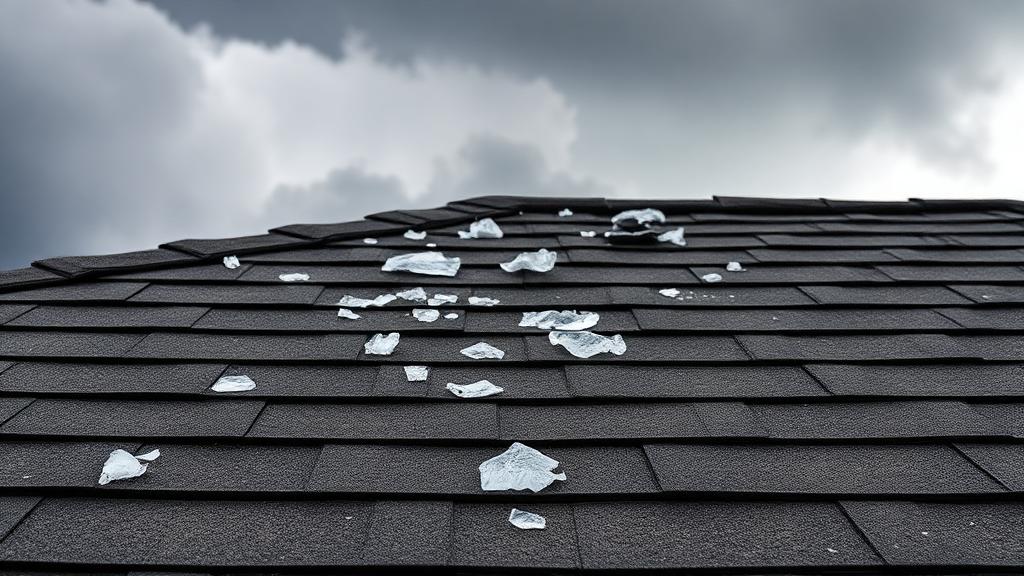
Hail and Severe Storms: While Austin experiences less frequent hail than Dallas-Fort Worth, significant hail events occur periodically and can cause substantial damage. The April 2021 hailstorm caused over $1 billion in damage across Central Texas, demonstrating the importance of impact-resistant materials. Spring storm season from March through May brings the highest severe weather risk.
Flash Flooding Impact: Austin experiences some of the most intense flash flooding in North America due to the rocky Hill Country terrain and the citys position where several watersheds converge. While floods primarily affect ground-level structures, roof drainage systems must handle sudden heavy rainfall. Proper gutter sizing, downspout placement, and drainage planning prevent water damage during intense rain events.
Popular Roofing Materials for Austin Homes
Austin homeowners have diverse material options suited to local conditions and the varied architectural styles found throughout Central Texas.
Metal Roofing: Metal roofing has become exceptionally popular throughout Austin for excellent reasons. Standing seam and metal shingle systems reflect solar radiation, significantly reducing cooling costs during brutal summers. Metal roofs handle temperature extremes without degradation, resist hail damage, and provide 50+ year lifespans. The modern aesthetic complements Austins contemporary architectural trends while traditional styles suit Hill Country homes.
Cool Roof Shingles: Several manufacturers offer shingles specifically designed for hot climates. These products feature specialized granules that reflect more solar radiation than traditional shingles, reducing roof surface temperatures and associated cooling loads. Energy Star rated cool roof shingles provide measurable energy savings in Austins climate.
Tile Roofing: Mediterranean, Spanish, and flat concrete tile roofing appears throughout Austin, particularly in neighborhoods like Barton Creek, Westlake, and Spanish Oaks. Clay and concrete tiles provide exceptional heat resistance, lasting 50-100 years with proper maintenance. The natural thermal mass of tile helps moderate temperature fluctuations, contributing to indoor comfort.
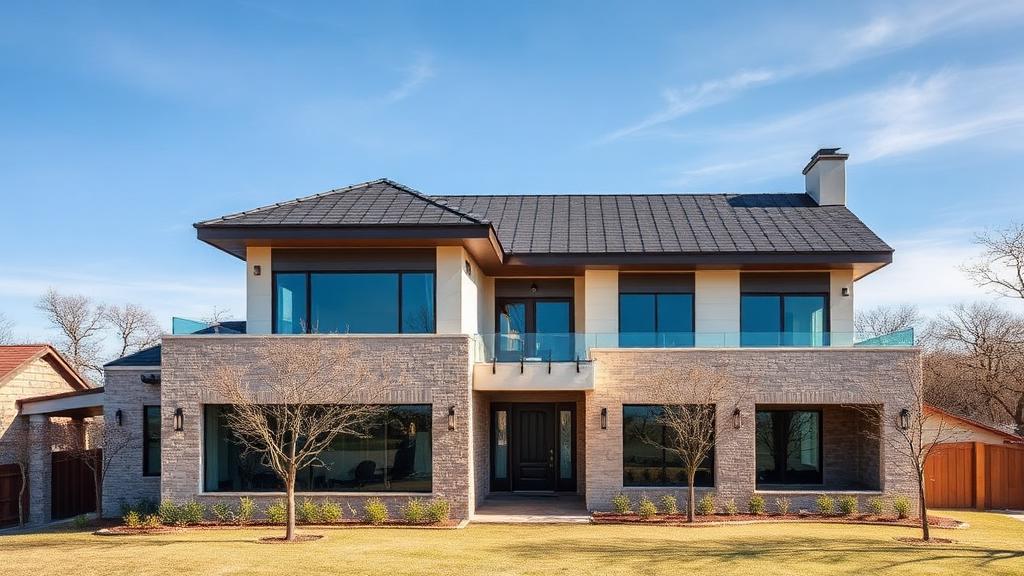
Standing Seam Metal: This premium metal roofing option has gained substantial market share in Austin, especially for contemporary and modern homes. Concealed fastener systems prevent leaks, the clean aesthetic suits modern architecture, and the durability justifies the premium cost. Standing seam works particularly well on low-slope roofs common in modern Austin homes.
Austin Roofing Costs and Market Factors
Roofing costs in Austin reflect the competitive Central Texas market and the diverse material preferences of local homeowners.
Standard Asphalt Shingles: $4.75-$7.50 per square foot installed. The Austin market skews slightly higher than state averages due to strong demand and quality expectations.
Metal Roofing Systems: $8.50-$15.00 per square foot for quality installations. Standing seam typically costs more than metal shingles, with premium finishes commanding additional premiums.
Tile Roofing: $12.00-$20.00 per square foot depending on tile type, profile, and installation complexity. Custom colors and specialty profiles increase costs.
Standing Seam Metal: $10.00-$16.00 per square foot. Complex roof designs with multiple penetrations and angles increase costs toward the higher end.
Energy Efficiency Focus
Energy efficiency deserves special attention for Austin roofing given the extended cooling season and high electricity costs during summer peak demand periods.
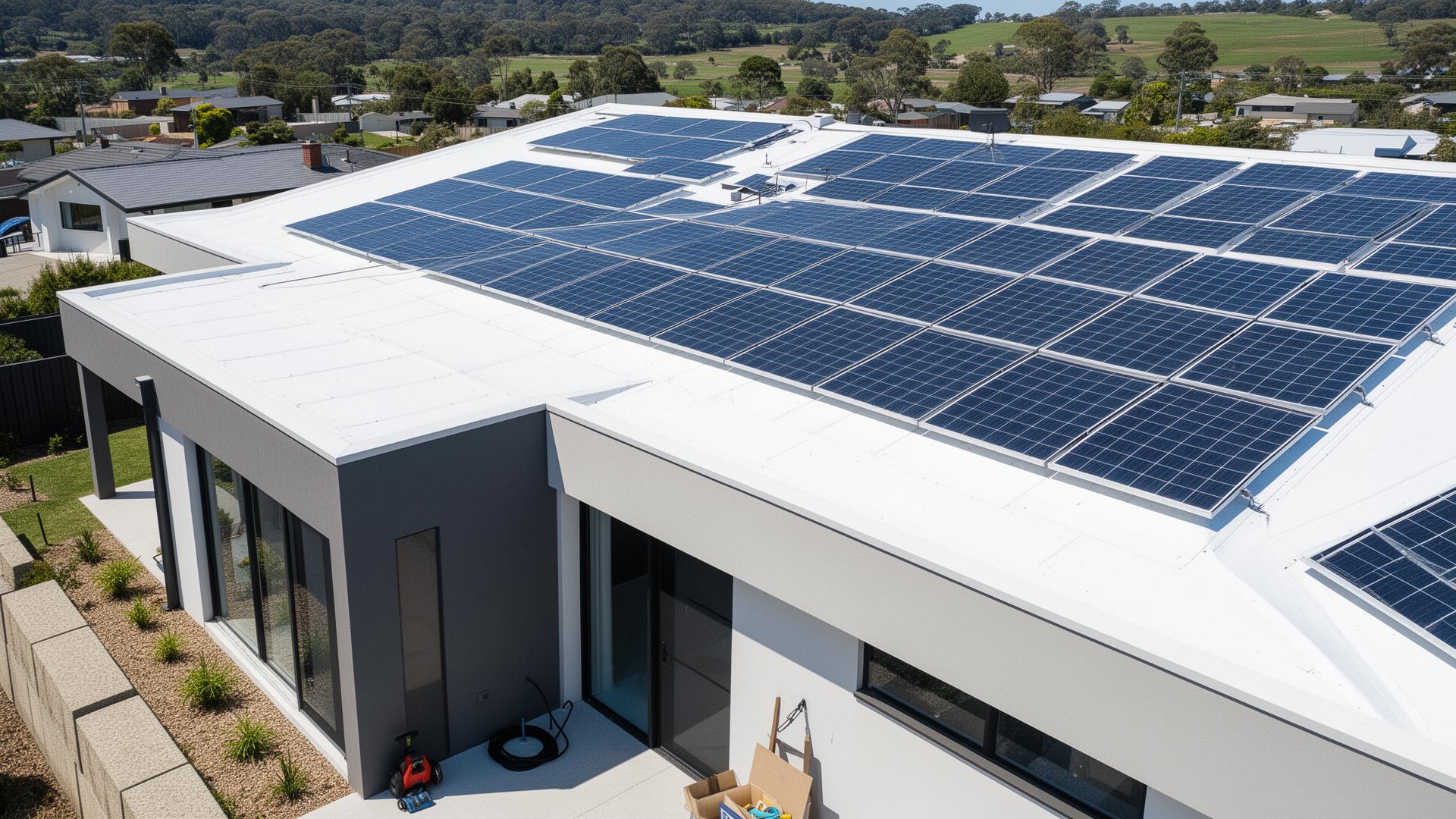
Reflective Materials: Light-colored or reflective roofing materials significantly reduce cooling loads. Studies show reflective roofs can lower roof surface temperatures by 50-60 degrees Fahrenheit compared to dark-colored conventional materials. This temperature reduction translates to measurable air conditioning savings.
Proper Ventilation: Adequate attic ventilation removes heat buildup and extends roofing material life. Balanced intake and exhaust ventilation maintains cooler attic temperatures, reducing heat transfer to living spaces and preventing moisture problems. Ridge vents combined with soffit vents provide effective passive ventilation for most Austin homes.
Radiant Barriers: Radiant barrier installation in attic spaces blocks radiant heat transfer from hot roof surfaces to attic floors. This technology proves particularly effective in Austin climate, reducing cooling costs by 5-15% according to Department of Energy studies.
Insulation Upgrades: Modern insulation standards recommend R-38 to R-49 for Austin attics. Many older homes have inadequate insulation that allows excessive heat transfer. Combining roof replacement with insulation upgrades maximizes energy efficiency improvements.
Hill Country Aesthetic Considerations
Austins Hill Country setting creates unique aesthetic considerations for roofing material and color selection.
Natural Integration: Many Austin homeowners prefer roofing materials and colors that blend with the surrounding landscape. Earth tones, weathered grays, and natural textures complement the limestone and cedar character of the region.
Stone Coordination: Austins abundance of limestone and natural stone construction creates opportunities for roof-to-wall coordination. Material and color selection should complement rather than compete with stone features.
Heat-Reflective Colors: Light colors reflect more heat than dark colors, providing energy benefits. Fortunately, many heat-reflective colors also suit Hill Country aesthetics, allowing homeowners to combine beauty with efficiency.
Conclusion
Austin roofing successfully balances aesthetic appeal with performance demands created by Central Texas climate conditions. Energy efficiency should guide material selection given the extended cooling season and high electricity costs. Metal and reflective materials offer excellent long-term value while tile roofing provides exceptional durability for appropriate homes. Working with contractors who understand Austins unique conditions ensures successful projects.
Find your contractor today. Browse Austin roofers experienced with Central Texas homes.