Best Roofing Materials for Arizona Desert Heat in 2026
Choosing the Right Roof for Arizona's Extreme Climate
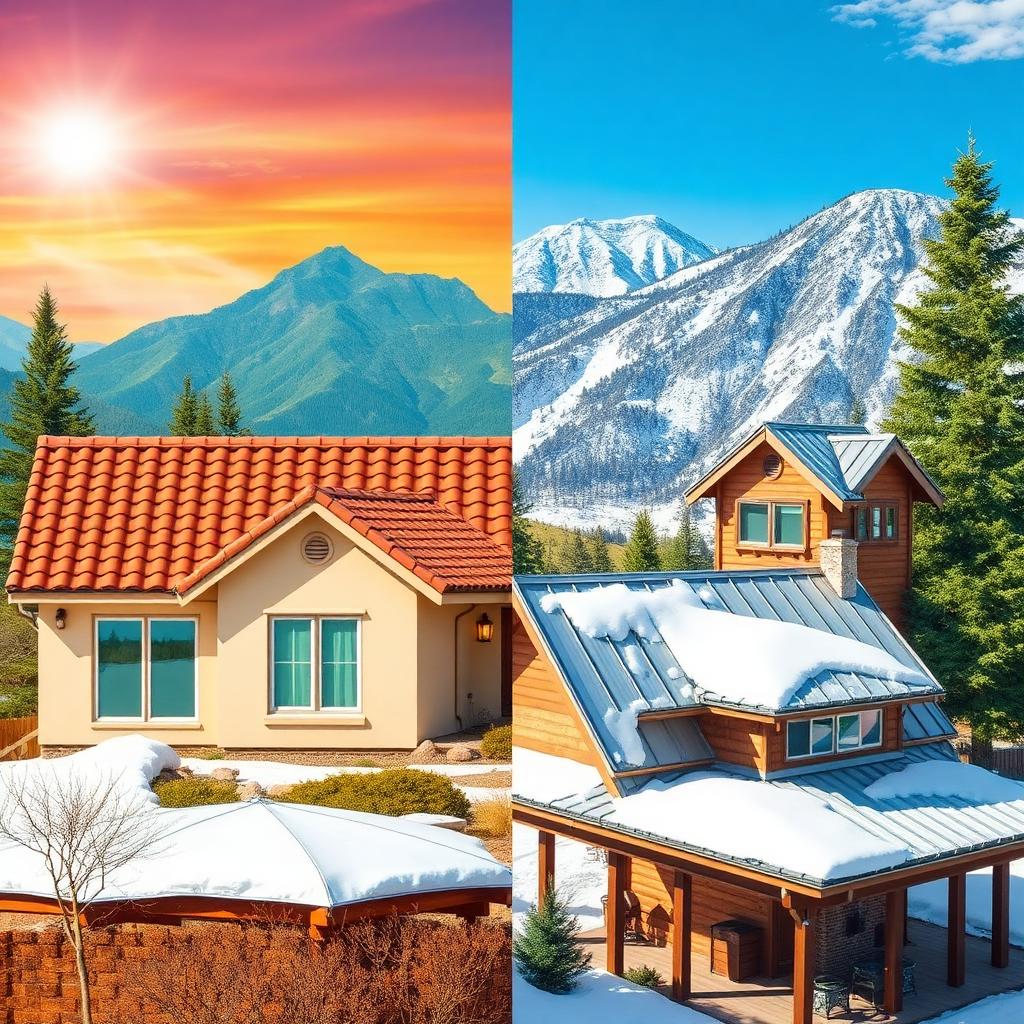
Arizona's desert climate presents one of the most demanding environments for roofing materials in the entire United States. With summer temperatures routinely exceeding 110°F, intense UV radiation, monsoon storms with driving rain and hail, and dramatic temperature swings of 40°F+ between day and night, your roofing material choice directly impacts your home's comfort, energy bills, and long-term maintenance costs.
This guide evaluates the top roofing materials for Arizona homes in 2026, with specific recommendations for the Phoenix metropolitan area, Tucson, Scottsdale, and surrounding desert communities.
Arizona Climate Challenges for Roofing
Before comparing materials, understand what your roof faces in Arizona:
- Extreme heat: Surface temperatures on a dark roof can exceed 180°F on a 115°F day
- Intense UV radiation: Arizona receives 85% of maximum possible sunshine—more than almost anywhere in the U.S.
- Thermal cycling: Daily temperature swings of 30–50°F cause repeated expansion and contraction
- Monsoon storms: July through September brings high winds (60+ mph gusts), heavy rain, and hail
- Low humidity: Dry conditions cause certain materials (like wood) to crack and split
- Dust and sand: Abrasive wind-driven particles wear down surface coatings
Top Roofing Materials for Arizona
1. Concrete and Clay Tile
Arizona's traditional favorite—and for good reason.
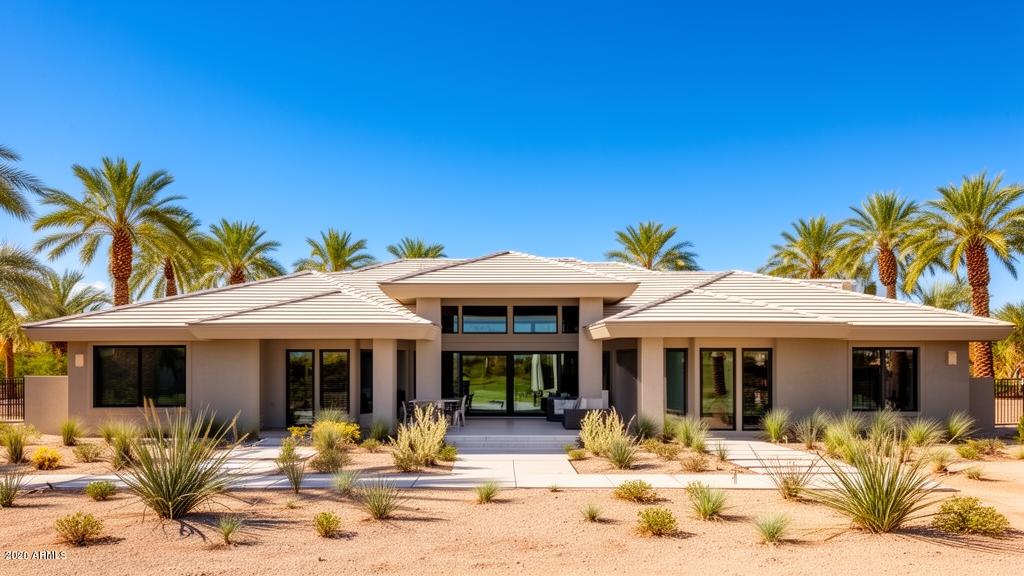
Tile roofing has dominated Arizona architecture for decades, and it remains the top choice for many Phoenix and Scottsdale homeowners:
Advantages in Arizona:: - Extreme heat resistance: Tile doesn't degrade from UV or heat exposure - Thermal mass: The weight and air gaps beneath tiles provide natural insulation, reducing cooling loads by 20–30% compared to direct-deck materials - Lifespan: 50–100+ years in Arizona's dry climate (clay tile especially) - Aesthetic fit: Complements Southwest and Mediterranean architectural styles - Low maintenance: Tile requires minimal upkeep in dry climates
Considerations:: - Weight: 600–1,100 lbs per square. Requires engineered roof structure. - Breakability: Individual tiles can crack from foot traffic or hail impact - Underlayment degradation: While tiles last indefinitely, the underlayment beneath them degrades in 20–30 years and requires replacement - Cost: $10–$25 per square foot installed (concrete on the lower end, clay higher)
Best for:: Long-term homeowners, new construction, HOA communities in Scottsdale, Paradise Valley, and upscale Phoenix neighborhoods.
2. Metal Roofing
The fastest-growing segment in Arizona's roofing market.
Metal roofing has surged in popularity across the Phoenix metro, offering modern aesthetics and superior energy performance:
Advantages in Arizona:: - Solar reflectance: Light-colored metal reflects 50–70% of solar energy - Rapid heat release: High thermal emittance means metal cools quickly after sunset - Energy savings: 20–40% reduction in cooling costs compared to dark asphalt - Durability: 40–60+ year lifespan with virtually zero UV degradation - Lightweight: 1–3 lbs per square foot—works on any structure - Hail resistance: Standing seam steel withstands most monsoon hail events
Considerations:: - Expansion/contraction: Thermal cycling requires proper fastening systems (standing seam with floating clips is ideal) - Oil canning: Some cosmetic waviness can occur with flat metal panels—aesthetic concern only - Sound: Rain noise is louder than tile or asphalt (mitigated with proper insulation) - Cost: $8–$16 per square foot installed for standing seam steel
Best for:: Energy-conscious homeowners, modern/contemporary homes, commercial properties, homes with weight restrictions.
3. Cool Roof Asphalt Shingles
Budget-friendly option with enhanced heat performance.
Standard asphalt shingles struggle in Arizona, but "cool roof" shingles designed for hot climates are a viable option:
Advantages in Arizona:: - Affordable: $4–$8 per square foot installed - Reflective granules: Solar reflectance of 25–40% (vs. 5–15% for standard dark shingles) - Familiar aesthetic: Wide color range, conventional appearance - Easy installation and repair: Large contractor network, readily available materials - Impact-resistant options: Class 4 IR shingles for monsoon hail protection
Considerations:: - Shorter lifespan: 15–20 years in Arizona (vs. 25–30 in moderate climates) - UV degradation: Even cool roof shingles age faster under Arizona's intense UV - Less energy savings than metal or tile: Still absorb more heat than reflective alternatives - Frequent replacements: May need 3–4 replacements in the time a tile roof lasts once
Best for:: Budget-conscious homeowners, rental properties, homes being prepared for sale, short-term ownership.
4. Spray Polyurethane Foam (SPF)
Arizona's hidden gem for flat roofs.
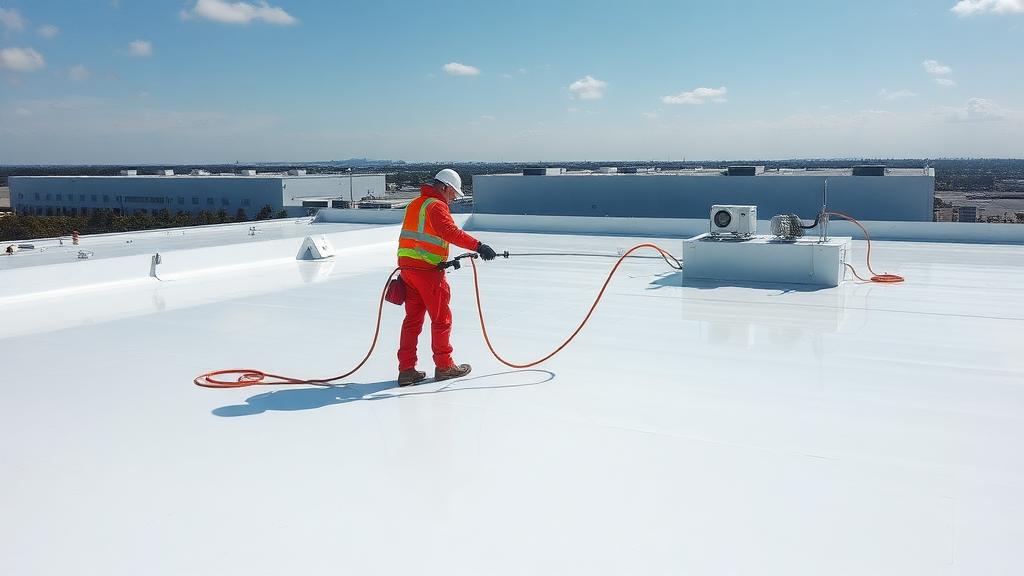
SPF roofing is exceptionally popular in Arizona for flat and low-slope commercial and residential roofs:
Advantages in Arizona:: - Seamless application: No seams means no leak points - Superior insulation: R-6.5 per inch of foam—the highest R-value per inch of any roofing system - Reflective coating: Silicone or acrylic topcoats reflect 80–90% of solar radiation - Energy savings: 30–50% reduction in cooling costs for flat-roof structures - Self-flashing: Foam conforms to all penetrations and edges, eliminating flashing vulnerabilities - Renewable: Can be re-coated every 10–15 years, extending the system's life indefinitely - Lightweight: Adds minimal structural load
Considerations:: - Requires UV-protective coating: Uncoated SPF degrades rapidly in Arizona sun - Maintenance: Periodic inspections for coating wear and bird pecking damage - Limited contractor pool: Fewer SPF specialists compared to conventional roofing - Cost: $5–$10 per square foot for initial installation; $2–$4 per square foot for re-coating
Best for:: Flat-roof homes and commercial buildings, retrofit insulation upgrades, maximum energy savings priority.
5. Synthetic Composite Tile
The best of both worlds: tile appearance with modern performance.
Synthetic tiles made from recycled polymers and rubber are an emerging option:
Advantages in Arizona:: - Lightweight: 50–75% lighter than concrete tile - Impact resistant: Class 4 hail rating standard - Tile aesthetic: Nearly indistinguishable from clay or slate - UV stable: Engineered polymers resist Arizona's intense UV - Lifespan: 40–50 year warranties from most manufacturers - Cost: $8–$14 per square foot installed
Considerations:: - Newer technology: Limited long-term performance data in extreme desert climates - Heat expansion: Some products may experience color shifting over time - Limited color options compared to natural tile
Best for:: Homeowners wanting tile aesthetics without the weight, re-roofing projects where the structure can't support concrete tile.
Energy Cost Comparison for Phoenix
Annual cooling cost impact for a typical 2,000-square-foot Phoenix home:
| Roofing Material | Annual Cooling Cost | Savings vs. Dark Asphalt |
|---|---|---|
| Dark Asphalt Shingles | $2,400 | Baseline |
| Cool Roof Shingles | $2,000 | $400/year |
| Concrete Tile | $1,800 | $600/year |
| Standing Seam Metal | $1,700 | $700/year |
| SPF with Reflective Coating | $1,500 | $900/year |
Over a 30-year period, the difference between dark asphalt and SPF totals $27,000 in cooling costs alone.
Monsoon and Hail Resistance Ratings
| Material | Wind Resistance | Hail Resistance | Monsoon Rain Performance |
|---|---|---|---|
| Concrete Tile | Excellent (150+ mph) | Good (individual tiles may crack) | Excellent |
| Clay Tile | Excellent (150+ mph) | Moderate (more fragile than concrete) | Excellent |
| Standing Seam Metal | Excellent (140+ mph) | Excellent | Excellent |
| Cool Roof Shingles (IR) | Good (130+ mph) | Very Good (Class 4) | Good |
| SPF | Good (depends on coating) | Moderate | Excellent (seamless) |
| Synthetic Tile | Very Good (110+ mph) | Excellent (Class 4) | Very Good |
Arizona Building Code Considerations
Arizona building codes include specific requirements for hot climate roofing:
- Energy code compliance: Cool roof requirements for low-slope roofs in many jurisdictions
- Fire rating: Class A fire rating required in most Arizona municipalities (wildfire risk)
- Wind uplift: Design wind speeds of 90–115 mph depending on location
- Tile attachment: Hurricane clips or foam-set required for tile installations in high-wind zones
Always verify local building code requirements with your contractor and the local building department before selecting materials.
Our Recommendation for Arizona Homeowners
Best overall:: Concrete tile or standing seam metal—depending on your architectural style and budget. Both deliver exceptional long-term value in Arizona's climate.
Best for flat roofs:: SPF with silicone coating—unmatched energy performance and seamless waterproofing.
Best budget option:: Cool roof architectural shingles with Class 4 impact rating—affordable protection that handles most of what Arizona throws at it.
Find Arizona Roofing Specialists
Ready to choose the right material for your Arizona home? Search for verified roofing contractors in Phoenix, Tucson, and Scottsdale to get expert recommendations and competitive quotes.