Roof Coating Types, Benefits & Costs in 2026: Complete Comparison Guide
Why Roof Coatings Are Booming in 2026
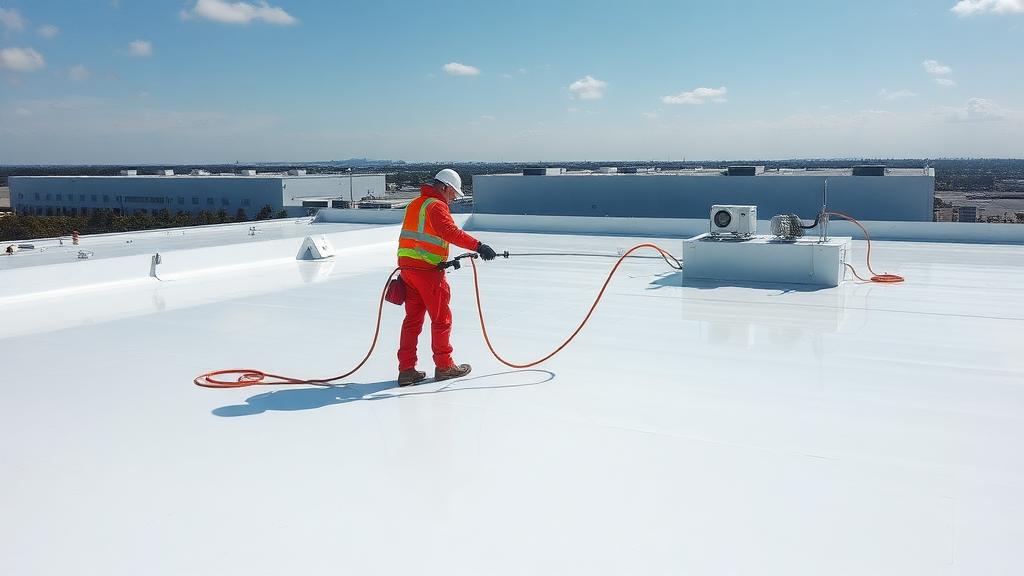
Roof coatings have become one of the smartest investments in commercial and residential roofing, offering a cost-effective alternative to full roof replacement. In 2026, with replacement costs continuing to climb and sustainability becoming a priority, the roof coating market has grown by over 25% compared to five years ago.
A properly applied roof coating can extend your existing roof's life by 10–20 years at a fraction of the replacement cost, improve energy efficiency, and even restore weathered surfaces to like-new condition.
Types of Roof Coatings Compared
Silicone Roof Coatings
Best For:: Flat roofs with ponding water issues, high-UV environments, long-term durability
Silicone coatings have become the industry standard for commercial flat roofs in 2026, and for good reason. They are inherently waterproof and resist ponding water indefinitely—a critical advantage over other coating types.
Key Properties:: - UV resistance: Excellent; doesn't chalk or degrade from sun exposure - Ponding water tolerance: Indefinite—silicone is naturally waterproof - Adhesion: Good to most substrates with proper primer - Reflectivity: Available in white with 80%+ initial reflectivity - Flexibility: Maintains elasticity across extreme temperature ranges - Recoatability: Can be recoated with additional silicone
Application Requirements:: - Surface must be clean, dry, and free of contaminants - Primer required for most substrates (metal, single-ply, modified bitumen) - Apply at 1.5–2.0 gallons per 100 square feet per coat - Minimum two coats for warranty coverage - Application temperature: 50°F–100°F - No rain within 4–6 hours of application
Cost:: $2.50–$4.50 per square foot installed (20 mil DFT)
Lifespan:: 10–15 years before recoating
Acrylic Roof Coatings
Best For:: Sloped roofs, budget-conscious projects, good-drainage surfaces
Acrylic coatings offer the best value for roofs with positive drainage. They are water-based, easy to apply, and available in the widest range of colors.
Key Properties:: - UV resistance: Good; but can chalk over time - Ponding water tolerance: Poor—acrylic breaks down in standing water - Adhesion: Excellent to most substrates - Reflectivity: Available in white with 75%+ initial reflectivity - Flexibility: Good but hardens in extreme cold - Recoatability: Easily recoated with additional acrylic
Application Requirements:: - Surface must be clean, dry, and free of ponding areas - No primer needed on most substrates - Apply at 1.0–1.5 gallons per 100 square feet per coat - Minimum two coats recommended - Application temperature: 50°F–90°F - No rain or freezing within 24 hours of application
Cost:: $1.50–$3.00 per square foot installed
Lifespan:: 5–10 years before recoating
Polyurethane Roof Coatings
Best For:: High-traffic areas, hail-prone regions, maximum durability
Polyurethane coatings (aromatic and aliphatic) provide the toughest, most impact-resistant finish of any coating type. They are ideal for roofs subject to foot traffic, equipment servicing, or hail exposure.
Key Properties:: - Impact resistance: Superior—best of all coating types - UV resistance: Aliphatic = excellent; Aromatic = poor (requires topcoat) - Ponding water tolerance: Good for short-term ponding - Adhesion: Excellent mechanical bond - Flexibility: Good at moderate temperatures - Chemical resistance: Superior to other coating types
Application Requirements:: - Surface must be clean, dry, and mechanically sound - Primer recommended for all substrates - Apply at 1.5–2.0 gallons per 100 square feet per coat - Two-coat system (aromatic base + aliphatic topcoat) recommended - Application temperature: 55°F–95°F - Moisture-sensitive during cure—no rain for 8–12 hours
Cost:: $3.00–$5.50 per square foot installed (two-coat system)
Lifespan:: 10–15 years before recoating
Asphalt Emulsion Coatings
Best For:: BUR (built-up roofing) systems, budget maintenance, temporary protection
The most affordable option, asphalt emulsion coatings are primarily used for maintaining existing built-up or modified bitumen roofing systems.
Key Properties:: - UV resistance: Fair; degrades faster than other types - Ponding water tolerance: Poor - Adhesion: Excellent to asphalt-based substrates - Reflectivity: Available in aluminum-pigmented versions (60–70% reflectivity) - Flexibility: Good when fresh; hardens over time - Recoatability: Easy and inexpensive
Cost:: $0.75–$2.00 per square foot installed
Lifespan:: 3–7 years before recoating
Cost Comparison Summary
| Coating Type | Cost/sq ft | Lifespan | Best Application | ROI Rating |
|---|---|---|---|---|
| Silicone | $2.50–$4.50 | 10–15 years | Flat roofs with ponding | ★★★★★ |
| Acrylic | $1.50–$3.00 | 5–10 years | Sloped roofs, good drainage | ★★★★☆ |
| Polyurethane | $3.00–$5.50 | 10–15 years | High-traffic, hail zones | ★★★★☆ |
| Asphalt Emulsion | $0.75–$2.00 | 3–7 years | BUR maintenance | ★★★☆☆ |
ROI Calculations: Coating vs. Replacement
Scenario: 20,000 sq ft Commercial Roof
Full Replacement:: - TPO membrane replacement: $120,000–$160,000 - Disruption to business operations: 2–4 weeks - Waste disposal: 40,000+ lbs to landfill
Silicone Coating: - Application cost: $50,000–$90,000 - Business disruption: Minimal (can often continue operations) - Waste: Near zero - Savings: $30,000–$110,000
Over a 30-year lifecycle, strategic coating and recoating can provide the same protection as two full replacements at roughly half the total cost.
Choosing the Right Coating for Your Roof
Decision Framework:
- Does your roof have ponding water? → Silicone (only option for ponding)
- Is your roof sloped with good drainage? → Acrylic (best value for drained surfaces)
- Is your roof subject to heavy foot traffic or hail? → Polyurethane
- Is your roof a built-up system needing maintenance? → Asphalt emulsion
- Do you need the longest possible lifespan? → Silicone or polyurethane
Energy Savings from Reflective Coatings
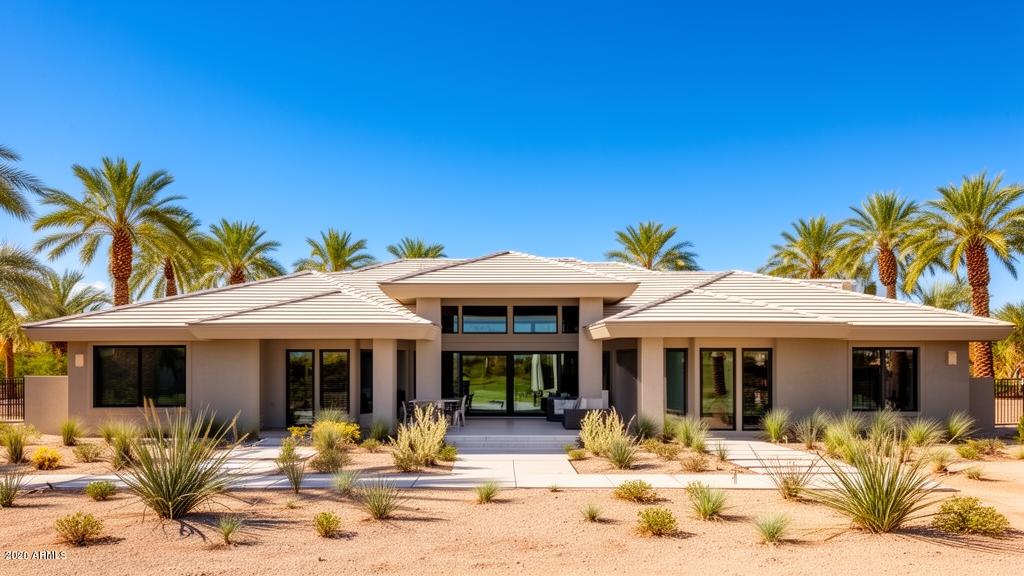
White reflective roof coatings deliver measurable energy savings, especially in sun-drenched states like Arizona, Nevada, and New Mexico:
- Roof surface temperature reduction: 50–80°F cooler than dark surfaces
- Interior cooling cost savings: 10–30% reduction
- HVAC equipment life extension: Reduced runtime extends equipment life by 2–5 years
- Urban heat island reduction: Contributing to cooler neighborhoods
For a 20,000-square-foot commercial building in Phoenix, a reflective coating can save $5,000–$12,000 annually in cooling costs.
Conclusion
Roof coatings in 2026 represent one of the smartest investments in roofing. Whether you choose silicone for its waterproof durability, acrylic for its value, or polyurethane for its toughness, the right coating extends your roof's life and slashes energy costs. Consult with a certified coating contractor to assess your roof's candidacy and choose the optimal system.
*Looking for a roof coating specialist? Find verified roofing contractors experienced with coating systems in your area.*