Best Roofing Materials for Solar Panels in 2026: Compatibility & Cost Guide
Choosing the Right Roof for Solar Panels in 2026
As solar adoption continues to accelerate in 2026—with residential installations up 35% year-over-year—homeowners increasingly face a critical question: Is my roof ready for solar panels? The answer depends heavily on your roofing material, and choosing the wrong combination can lead to leaks, voided warranties, and thousands in unnecessary costs.
This comprehensive guide ranks every major roofing material for solar compatibility, breaks down the true costs, and helps you make the smartest investment decision.
Solar Panel Mounting Methods by Roof Type
Before evaluating materials, it's important to understand the three primary mounting methods:
Penetrating Mounts (Most Common)
Bolts are drilled through the roofing material into the roof deck and rafters. This is the strongest and most affordable option but creates potential leak points.
- Best for: Asphalt shingles, metal roofing, wood shakes
- Typical cost: $0.10–$0.25 per watt for mounting hardware
- Leak risk: Low with proper flashing and sealant
Ballasted Mounts (No Penetrations)
Heavy weights hold panels in place without any roof penetrations. This preserves roof warranty integrity.
- Best for: Flat roofs (TPO, EPDM, built-up)
- Typical cost: $0.15–$0.35 per watt for mounting hardware
- Leak risk: None from mounting; weight distribution is the concern
Clamp-On Mounts
Specialized clamps attach directly to standing seam metal roof panels without any penetrations.
- Best for: Standing seam metal roofs exclusively
- Typical cost: $0.08–$0.20 per watt for mounting hardware
- Leak risk: Virtually zero
Roofing Material Compatibility Rankings
1. Standing Seam Metal Roof — ★★★★★ (Best)
Standing seam metal is the gold standard for solar panel installation in 2026.
Why It's #1:: - Zero-penetration mounting: S-5! clamps and similar products grip seams without drilling - Longevity match: 50+ year roof lifespan matches or exceeds 25-year solar panel warranties - No re-roofing disruption: You won't need to remove panels for a roof replacement during the solar system's lifetime - Optimal heat dissipation: Metal's thermal properties keep panels cooler, improving efficiency by 2–5% - Lightweight: Metal roofs add minimal structural load, leaving capacity for panel weight
Costs:: - Metal roof installation: $10–$16 per square foot - Solar mounting: $0.08–$0.15 per watt (cheapest option due to no penetrations) - Combined roof + solar for 2,000 sq ft home: $28,000–$42,000
Considerations:: - Higher upfront roof cost vs. asphalt, but long-term savings are substantial - Not all metal roof profiles are compatible—corrugated and ribbed panels require different hardware - Color choice matters: lighter colors improve solar panel efficiency by reducing ambient heat
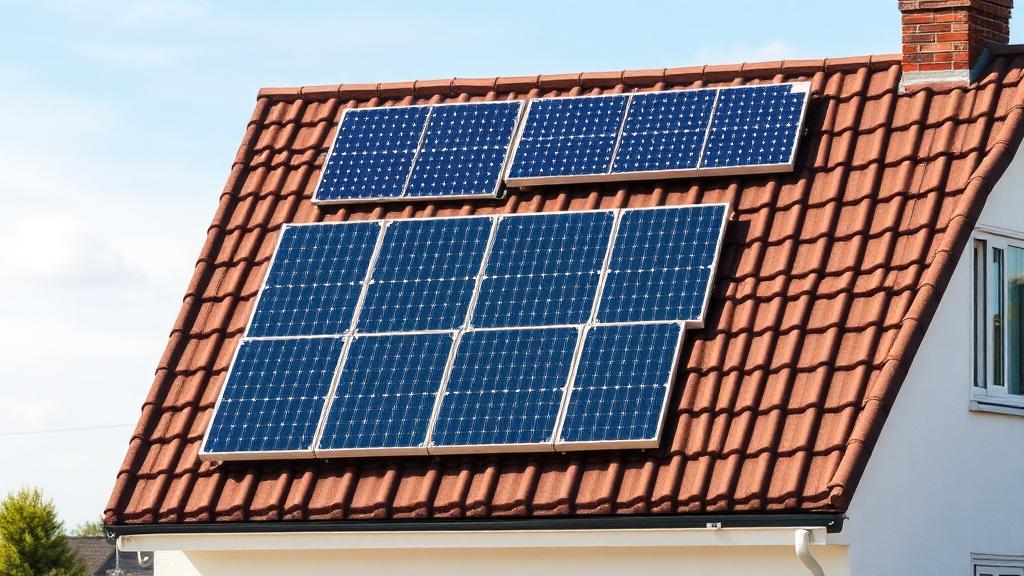
2. Asphalt Architectural Shingles — ★★★★☆ (Excellent)
The most common residential roofing material pairs well with solar, with some important caveats.
Why It's Ranked #2:: - Widespread installer experience: Nearly every solar installer is trained on asphalt shingle mounting - Affordable base cost: $4.50–$7.00 per square foot installed - Standard flashing kits: Readily available, proven leak-prevention solutions - Good structural compatibility: Standard rafter spacing works with all solar mounting systems
Costs:: - Asphalt roof installation: $4.50–$7.00 per square foot - Solar mounting: $0.10–$0.20 per watt - Combined roof + solar for 2,000 sq ft home: $18,000–$30,000
Critical Consideration — Roof Age:: If your asphalt shingle roof is more than 10 years old, replace it before installing solar. Here's why:
- Removing and reinstalling solar panels for a mid-life roof replacement costs $2,000–$5,000
- Asphalt shingles last 20–30 years; solar panels last 25+ years
- Installing on an old roof virtually guarantees expensive panel removal within 10 years
3. Concrete and Clay Tile — ★★★☆☆ (Good with Caveats)
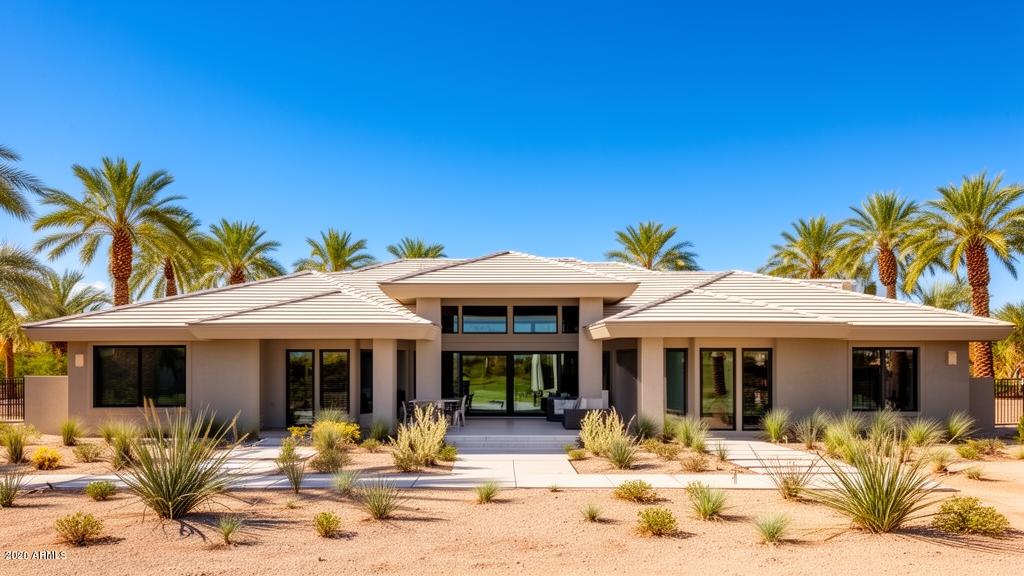
Tile roofs are common in the Southwest and Florida, and solar installation is achievable but requires specialist knowledge.
Why It's Ranked #3:: - Long lifespan: 50+ years means no re-roofing concerns during solar panel life - Durable under panels: Tiles aren't damaged by panel shade or mounting hardware - Excellent in hot climates: Thermal mass keeps attic temperatures lower
The Challenges:: - Fragile during installation: Tiles crack easily when walked on—installers need tile hooks and careful access planning - Specialized mounting: Tile replacement hooks and comp-out methods add significant labor time - Higher installation costs: 30–50% more labor than asphalt shingle installations - Weight concerns: Tile roofs are already heavy; adding panels requires structural verification
Costs:: - Tile roof installation: $12–$25 per square foot - Solar mounting: $0.20–$0.40 per watt (premium due to complexity) - Combined roof + solar for 2,000 sq ft home: $35,000–$60,000
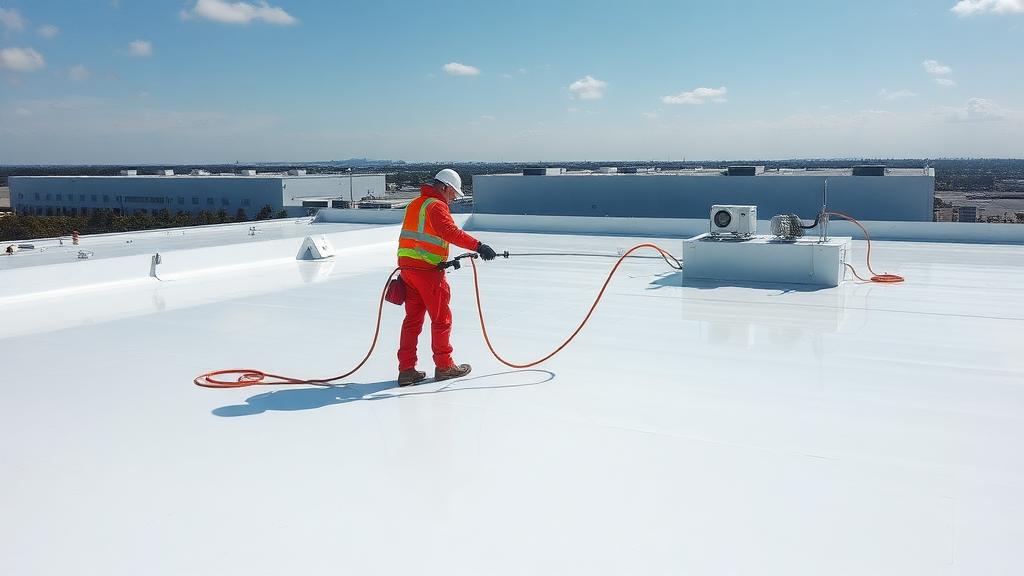
4. Flat Roofs (TPO/EPDM/Built-Up) — ★★★☆☆ (Good)
Commercial and modern residential flat roofs offer unique solar advantages.
Why It's Ranked #4:: - Optimal tilt angle control: Ballasted or tilted racks maximize energy production - No penetration required: Ballasted systems preserve roof warranty - Easy access for maintenance: Walking on flat roofs doesn't require special equipment - Hidden aesthetics: Panels aren't visible from street level
The Challenges:: - Weight limitations: Ballasted systems add 3–5 lbs per square foot; structural assessment required - Wind uplift concerns: Flat-mounted panels require significant ballast or mechanical attachment in high-wind zones - Drainage interference: Panel placement must not block roof drainage paths - Shorter membrane life: TPO/EPDM last 20–30 years, potentially requiring panel removal for re-roofing
Costs:: - Flat roof installation: $5–$10 per square foot - Solar mounting: $0.15–$0.35 per watt - Combined roof + solar for 2,000 sq ft home: $16,000–$32,000
5. Wood Shakes/Shingles — ★★☆☆☆ (Challenging)
Wood roofing presents significant challenges for solar installation.
The Challenges:: - Fire risk: Some jurisdictions prohibit solar on wood roofs without fire-rated underlayment - Fragile material: Wood splits and cracks during mounting, requiring extra care and repair - Shorter lifespan: 15–25 years means probable panel removal for re-roofing - Limited installer experience: Many solar companies upcharge or refuse wood roof installations - Code complications: Building codes in fire-prone areas may require roof replacement before solar approval
Costs:: - Solar mounting on wood: $0.25–$0.50 per watt (premium pricing) - Often requires underlayment upgrade: additional $2,000–$5,000
6. Slate Roofing — ★★☆☆☆ (Challenging but Possible)
Natural slate is exceptionally durable but extremely difficult for solar installation.
The Challenges:: - Extreme fragility: Individual slates crack under foot traffic or drilling pressure - Specialized brackets required: Slate hooks that slide under individual tiles cost 3–5x standard hardware - Very few qualified installers: Finding a contractor experienced in both slate and solar is rare - High repair costs: A cracked slate replacement can cost $50–$200 per tile
The Upside:: - 100+ year lifespan means the roof will outlast multiple generations of solar panels - Premium appearance is preserved with low-profile mounting systems
Cost Comparison Summary
| Roofing Material | Roof Cost/sq ft | Solar Mount Cost/Watt | Combined 8kW System + 2,000 sq ft Roof | Solar Compatibility |
|---|---|---|---|---|
| Standing Seam Metal | $10–$16 | $0.08–$0.15 | $28,000–$42,000 | ★★★★★ |
| Asphalt Architectural | $4.50–$7 | $0.10–$0.20 | $18,000–$30,000 | ★★★★☆ |
| Concrete/Clay Tile | $12–$25 | $0.20–$0.40 | $35,000–$60,000 | ★★★☆☆ |
| Flat (TPO/EPDM) | $5–$10 | $0.15–$0.35 | $16,000–$32,000 | ★★★☆☆ |
| Wood Shakes | $8–$14 | $0.25–$0.50 | $25,000–$42,000 | ★★☆☆☆ |
| Natural Slate | $15–$30 | $0.30–$0.60 | $40,000–$65,000 | ★★☆☆☆ |
Key Decision Framework for 2026
If You Need a New Roof AND Want Solar
Best value:: Install a new standing seam metal roof with integrated solar. The combined cost is competitive with asphalt + solar, but you'll never need to remove panels for re-roofing.
Budget option:: New architectural asphalt shingles + solar. Ensure you choose a 30-year warranty shingle to maximize alignment with solar panel lifespan.
If Your Existing Roof Is Less Than 5 Years Old
Proceed with solar installation on your current roof. The material compatibility guidelines above will determine your mounting options and costs.
If Your Existing Roof Is 10+ Years Old
Replace the roof first. The cost of removing, storing, and reinstalling solar panels ($3,000–$7,000) plus potential panel damage makes it economically smarter to start fresh.
2026 Federal and State Incentives
The federal Investment Tax Credit (ITC) remains at 30% through 2032, applying to both solar panels and any roof work directly required for solar installation. Some states offer additional incentives:
- California: Net metering 3.0 + state tax credits
- Arizona: 25% state tax credit (up to $1,000)
- New York: NY-Sun incentive program + state tax credit
- Texas: No state income tax, but many utility rebate programs
- Florida: Property tax exemption for solar improvements
Conclusion
Choosing the right roofing material for solar panels in 2026 is a decision that impacts your energy savings for decades. Standing seam metal offers the best long-term compatibility, while asphalt shingles provide the most affordable entry point. Whatever you choose, plan the timing carefully—aligning your roof replacement with solar installation saves thousands and maximizes your return on investment.
*Ready to find a solar-ready roofing contractor? Search verified roofers experienced with solar installations in your area.*