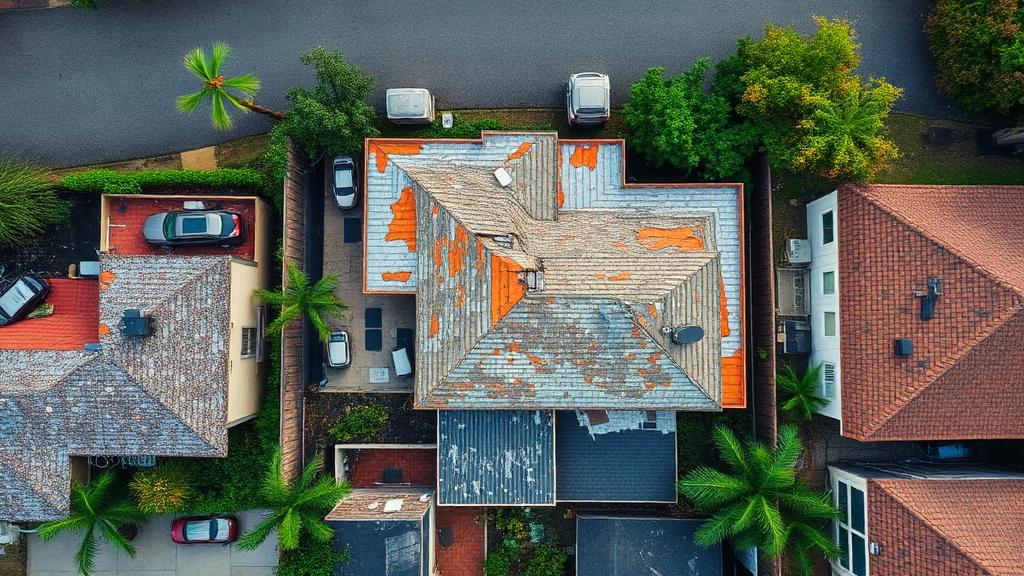
California Wildfire Roof Insurance: Coverage, Claims, and Fire-Safe Materials
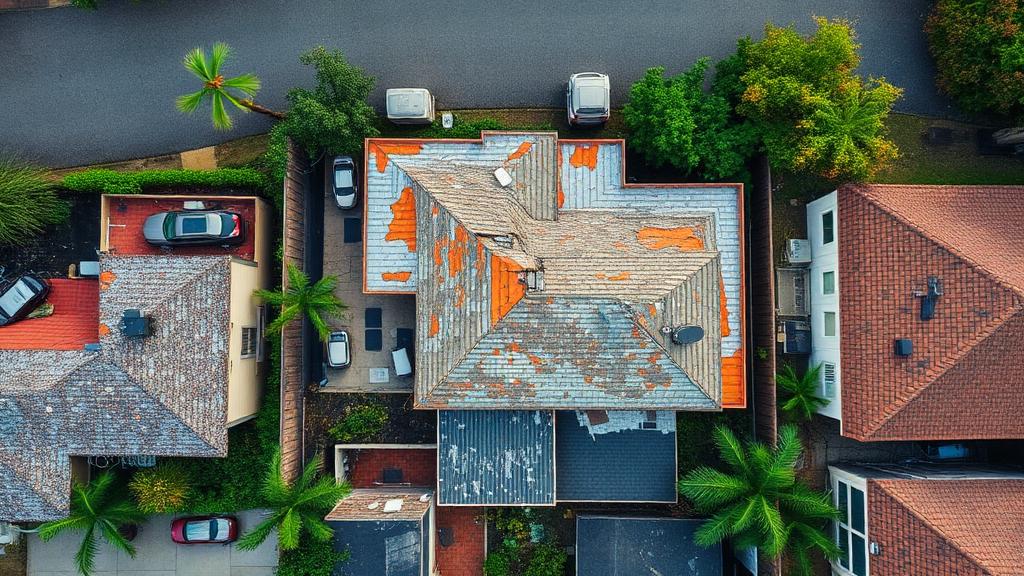
California's increasing wildfire risk has transformed the roof insurance landscape. Many homeowners face non-renewals, premium increases, or coverage limitations. Understanding your options is essential.
California's Wildfire Insurance Crisis
Insurer Withdrawals: Major insurers have stopped writing new policies in high-risk areas.
FAIR Plan: California's insurer of last resort provides basic coverage when private insurance isn't available.
Premium Increases: Even insured homeowners face significant annual premium increases.
Fire Zone Designations
State Responsibility Areas (SRA): CAL FIRE manages these areas with specific roofing requirements.
Very High Fire Hazard Severity Zones (VHFHSZ): Local responsibility areas with similar requirements.
Defensible Space: Creating clearance around your home affects both insurance availability and fire safety.
Fire-Resistant Roofing Requirements
Class A Required: California law requires Class A fire-rated roofing materials statewide.
Chapter 7A Compliance: WUI zones require complete fire-resistant roof assemblies, not just surface materials.
Ember-Resistant Vents: Roof vents must prevent ember intrusion in fire zones.
Materials That Protect and Insure
Concrete and Clay Tile: Excellent fire resistance, traditional California aesthetics.
Metal Roofing: Non-combustible, reflects heat, qualifies for insurance discounts.
Class A Asphalt Shingles: Most affordable fire-rated option with proper underlayment.
Composite Materials: Fire-resistant alternatives to wood shake.
California Insurance Claim Process
Wildfire Claims: Immediately contact your insurer. Document damage extensively before cleanup.
Total Loss: If your home is destroyed, understand your policy's replacement cost provisions.
Additional Living Expenses: Your policy likely covers temporary housing. Keep all receipts.
Code Upgrade Coverage: Verify your policy covers required code upgrades during rebuilding.
Maintaining Coverage in Fire Zones
Defensible Space: Create and maintain required clearance zones around your home.
Hardening Improvements: Document fire-resistant upgrades to negotiate better coverage.
Group Insurance Programs: Some communities have negotiated group policies with better terms.
FAIR Plan as Backup: Understand FAIR Plan coverage limits and requirements.
Working with Adjusters After Fire
Document Everything: Photograph all damage before any cleanup begins.
Contents Inventory: Create detailed lists of lost contents with estimated values.
Smoke Damage: Don't overlook smoke damage to surviving structures.
Professional Help: Consider public adjusters or attorneys for complex claims.
Premium Reduction Strategies
Fire-Safe Upgrades: Document all fire-resistant improvements.
Defensive Space Certification: Some counties offer certifications that help insurance.
Multiple Quote Shopping: Work with insurance brokers who specialize in high-risk properties.
Conclusion
California wildfire insurance requires proactive management. Invest in fire-resistant roofing, maintain defensible space, and understand your policy terms. Shop regularly for coverage as the market evolves.
Find California roofing contractors specializing in fire-resistant installations.