Carolina Hurricane Damage: Coastal and Inland Roof Recovery Guide
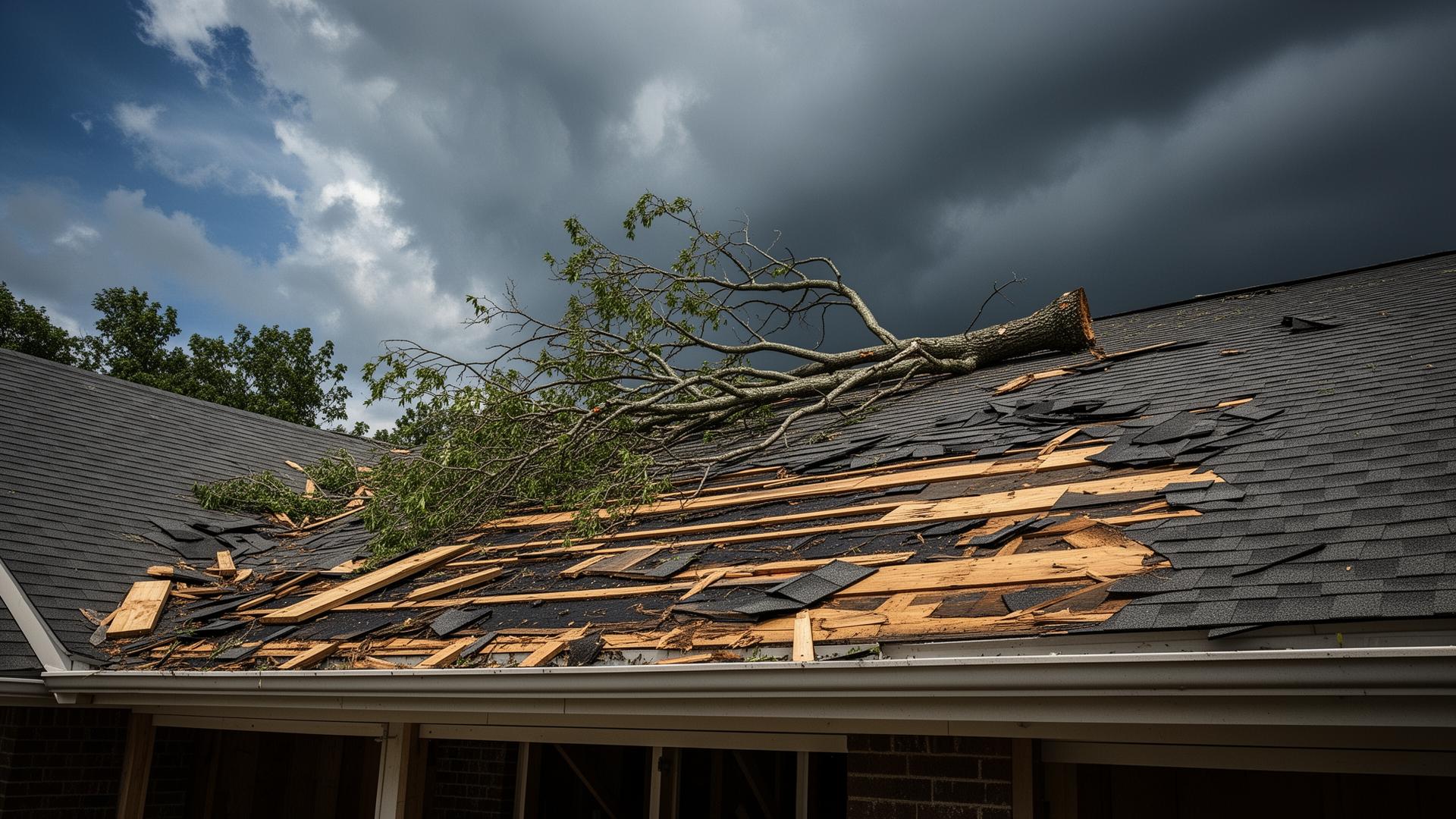
The Carolinas experience major hurricane impacts, with damage extending well inland. From Charlotte to Charleston, understanding roof damage recovery helps homeowners navigate challenging situations.
Carolina Hurricane Exposure
Coastal Impact: Direct hurricane hits affect the entire coastline.
Inland Tracking: Storms often track inland, affecting Charlotte and beyond.
Flooding Risk: Coastal areas face surge; inland areas face river flooding.
Frequency: The Carolinas average multiple threatening systems each season.
Coastal vs. Inland Damage
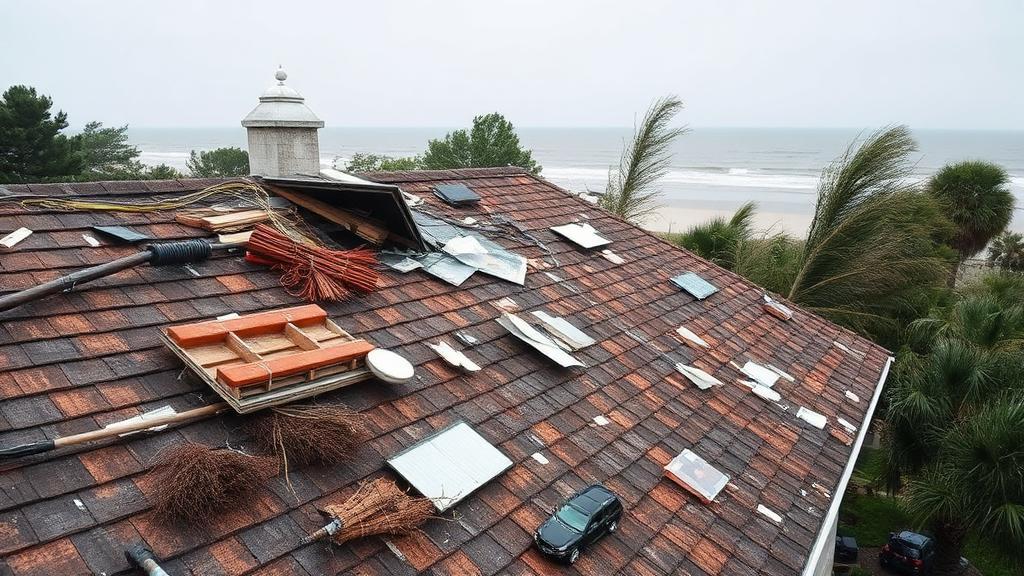
Coastal Considerations: Higher winds, salt corrosion, and storm surge.
Inland Effects: Weaker winds but still significant damage potential.
Rainfall Impact: Heavy rain causes flooding regardless of location.
Wind Duration: Slow-moving storms cause extended damage periods.
Post-Hurricane Assessment
Safety First: Wait for official all-clear before inspecting.
Structural Check: Look for signs of structural damage.
Roof Inspection: Assess from ground first, then with professional help.
Water Damage: Check for interior moisture and staining.
Emergency Response
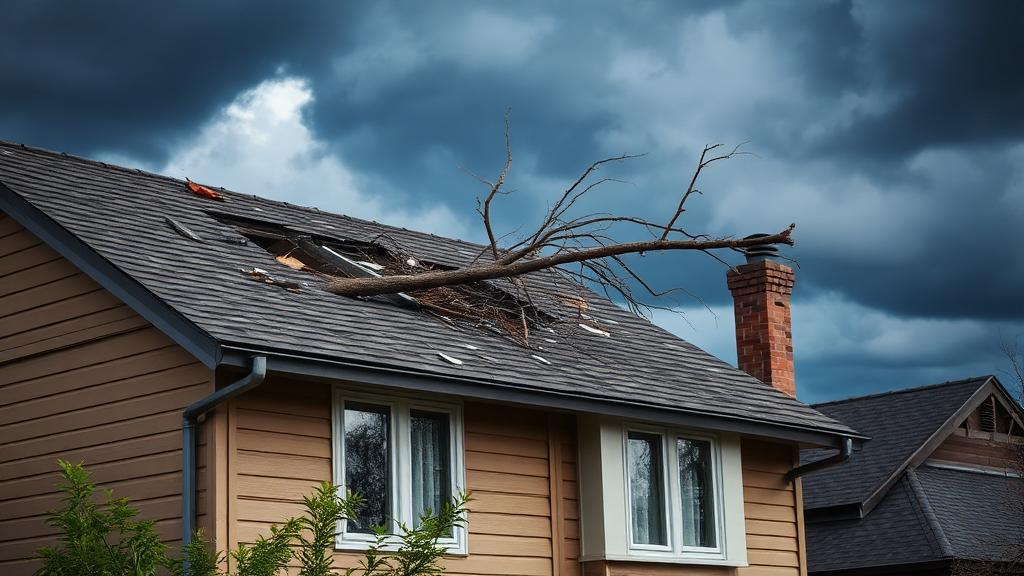
Tarping: Cover exposed roof areas immediately.
Water Mitigation: Address standing water and moisture quickly.
Document Everything: Photograph all damage thoroughly.
Notify Insurance: File claims as soon as possible.
Insurance Challenges
Deductible Issues: Hurricane deductibles are typically percentage-based.
Wind vs. Flood: Damage cause affects which coverage applies.
Prompt Filing: Meet all policy deadlines for claim filing.
Documentation: Maintain extensive records of damage and repairs.
Finding Carolina Contractors
State Licenses: Verify appropriate state contractor licenses.
Local Experience: Choose contractors familiar with Carolina conditions.
Post-Storm Verification: Be cautious of out-of-state storm chasers.
Written Agreements: Get detailed contracts before work begins.
Building Code Considerations
Code Updates: Repairs may require meeting current codes.
Wind Requirements: Coastal zones have enhanced wind ratings.
Flood Zone Compliance: Rebuilding in flood zones has specific requirements.
Recovery Timeline
Emergency Phase: First weeks focus on stabilization.
Assessment Period: Insurance and contractor evaluations.
Permanent Repairs: Actual restoration work begins.
Contractor Availability: Major storms create extended wait times.
Conclusion
Carolina hurricane damage recovery requires patience and documentation. Work with licensed local contractors and maintain thorough records.
Find North Carolina roofing contractors or South Carolina contractors for hurricane restoration.